How to do whipped back stitch
Whipped back stitch is a simple decorative embroidery stitch made by wrapping, or whipping, a second thread through a row of back stitch. It is a lovely way to make outlines feel more textured, and it works especially well when you want to add a little colour, contrast or sparkle.

How to do whipped back stitch step-by-step
- Work a neat line of back stitch along your design line.
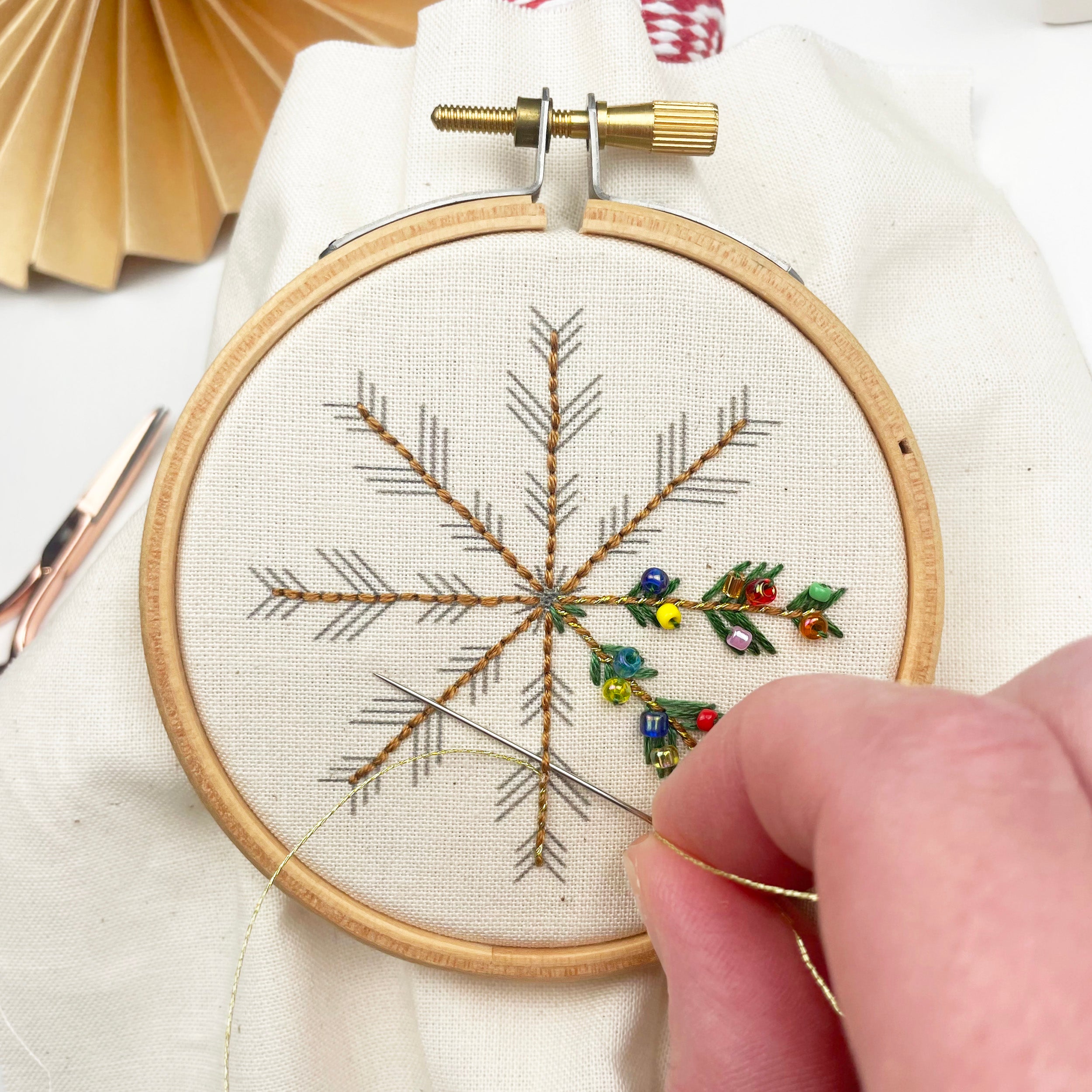
- Thread your needle with a second thread. This can be the same colour, a contrasting colour or a metallic thread.
- Bring the needle up at the start of the back stitch line.
- Pass the needle underneath the first back stitch, without piercing the fabric.
- Continue passing the needle under each back stitch, always working in the same direction.
- When you reach the end of the line, take the thread to the back of the fabric and secure it neatly.
The whipping thread should sit on top of the fabric and wrap around the back stitches. Try not to pull it too tightly, as this can distort the original line of stitching.
What is whipped back stitch used for?
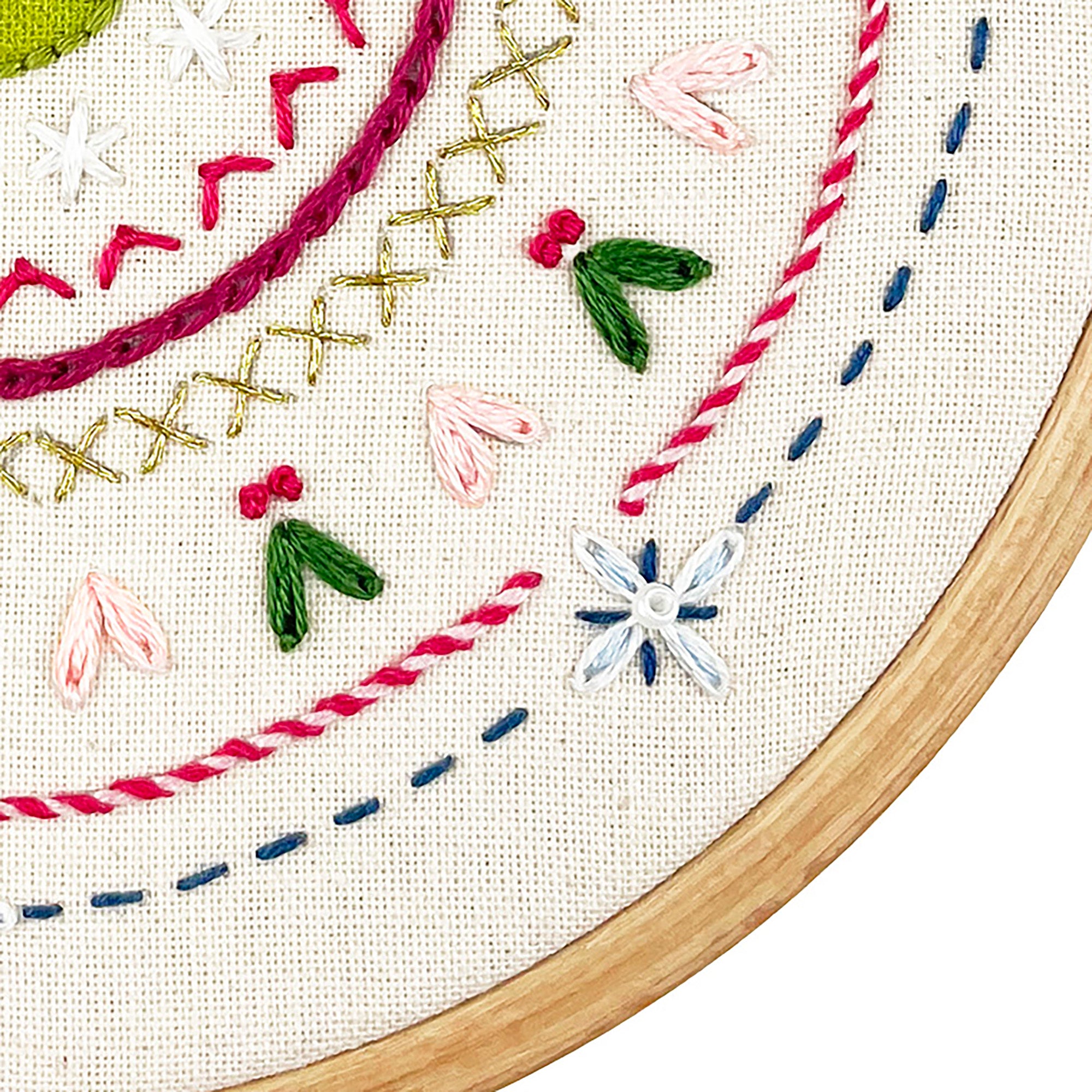
Whipped back stitch is useful when you want the neatness of back stitch, but with a more decorative finish. It can turn a plain outline into a softly twisted line and is a good choice for stems, borders, lettering, swirls, festive details and decorative outlines.
You can keep it subtle by using the same colour thread for both stages, or make it stand out by using two different colours. It is also a lovely stitch for metallic thread, as you can add the shine on the surface without having to pull the metallic thread through the fabric over and over again.
Practise whipped back stitch with an embroidery kit
These beginner-friendly kits include everything you need to enjoy a relaxing embroidery project and practise whipped back stitch.

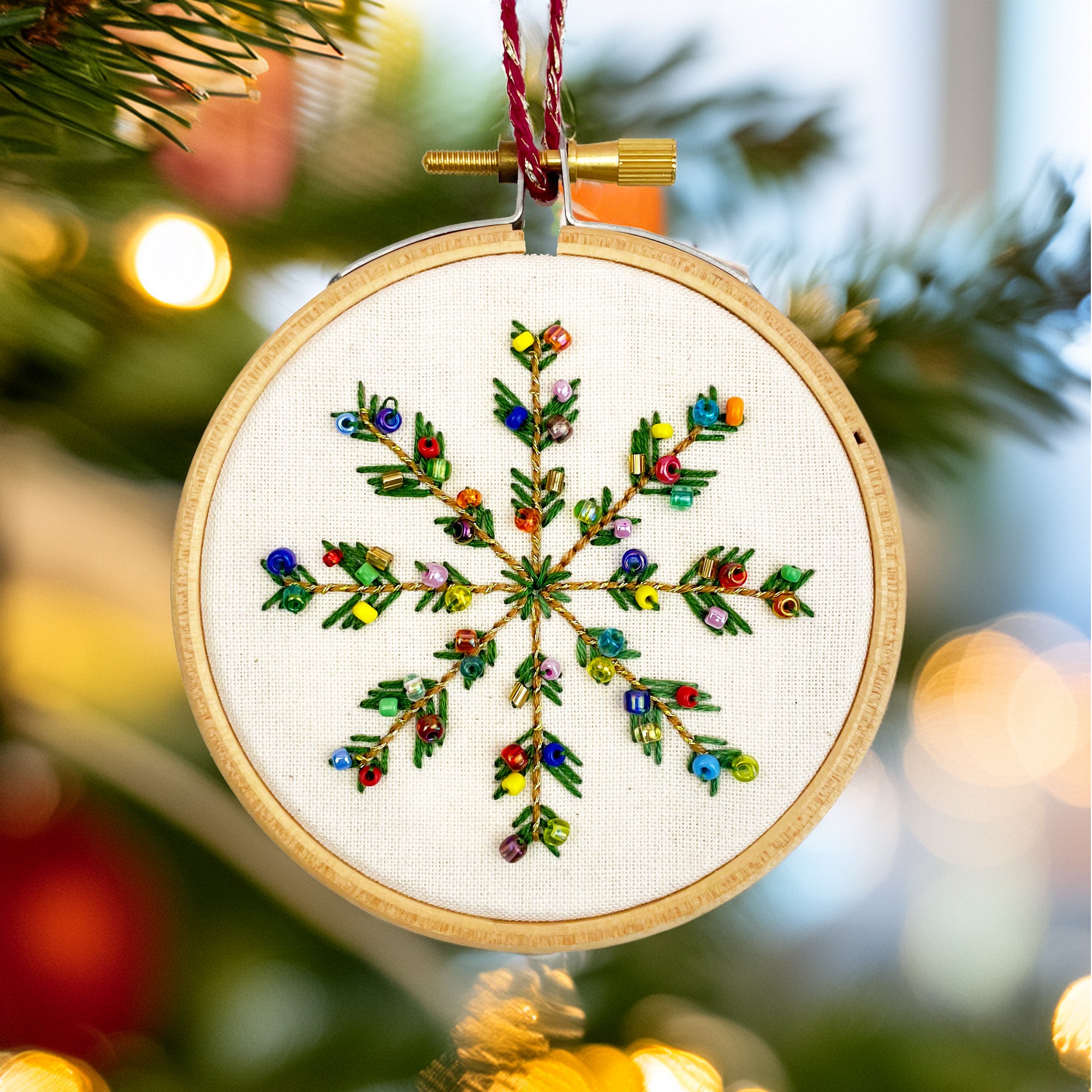
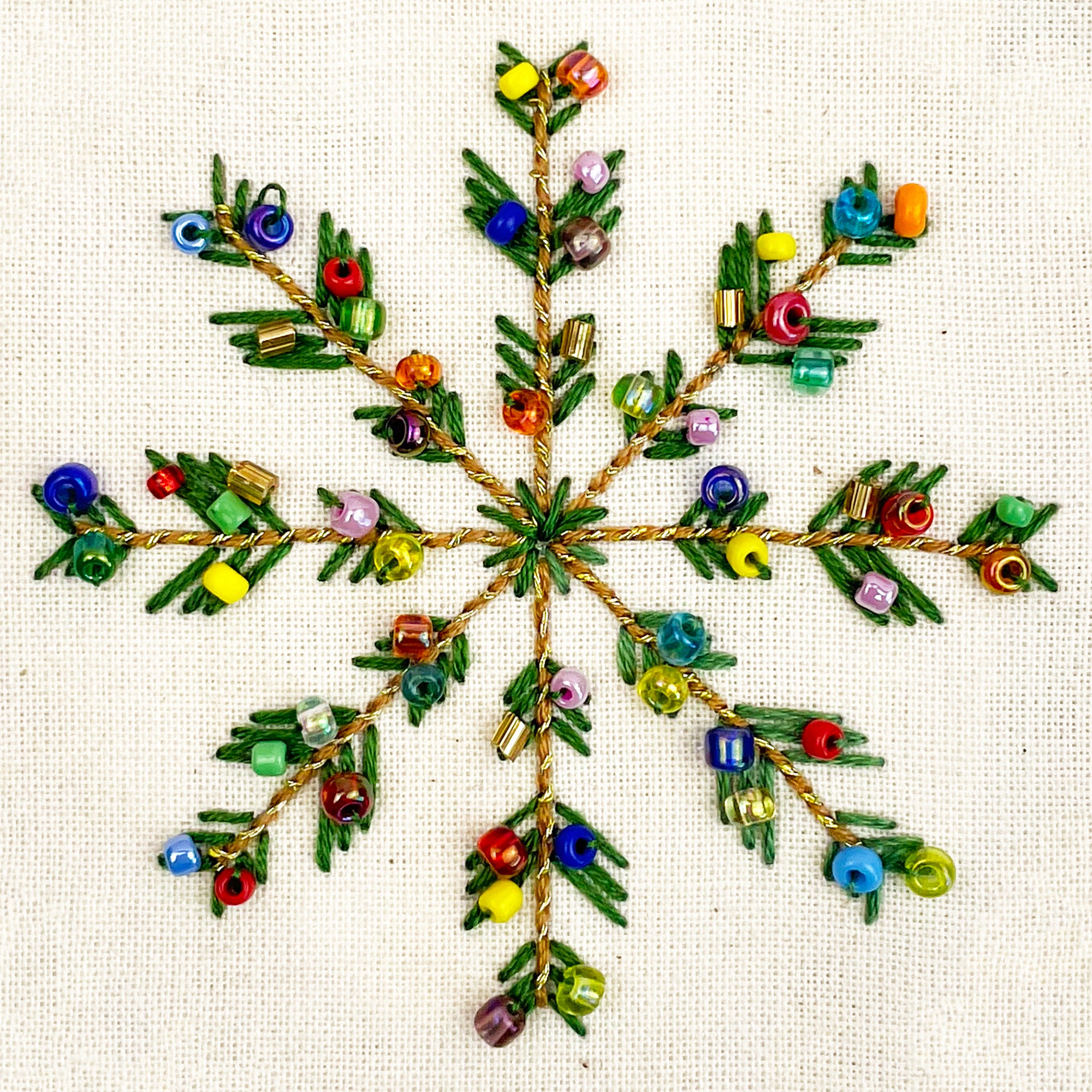
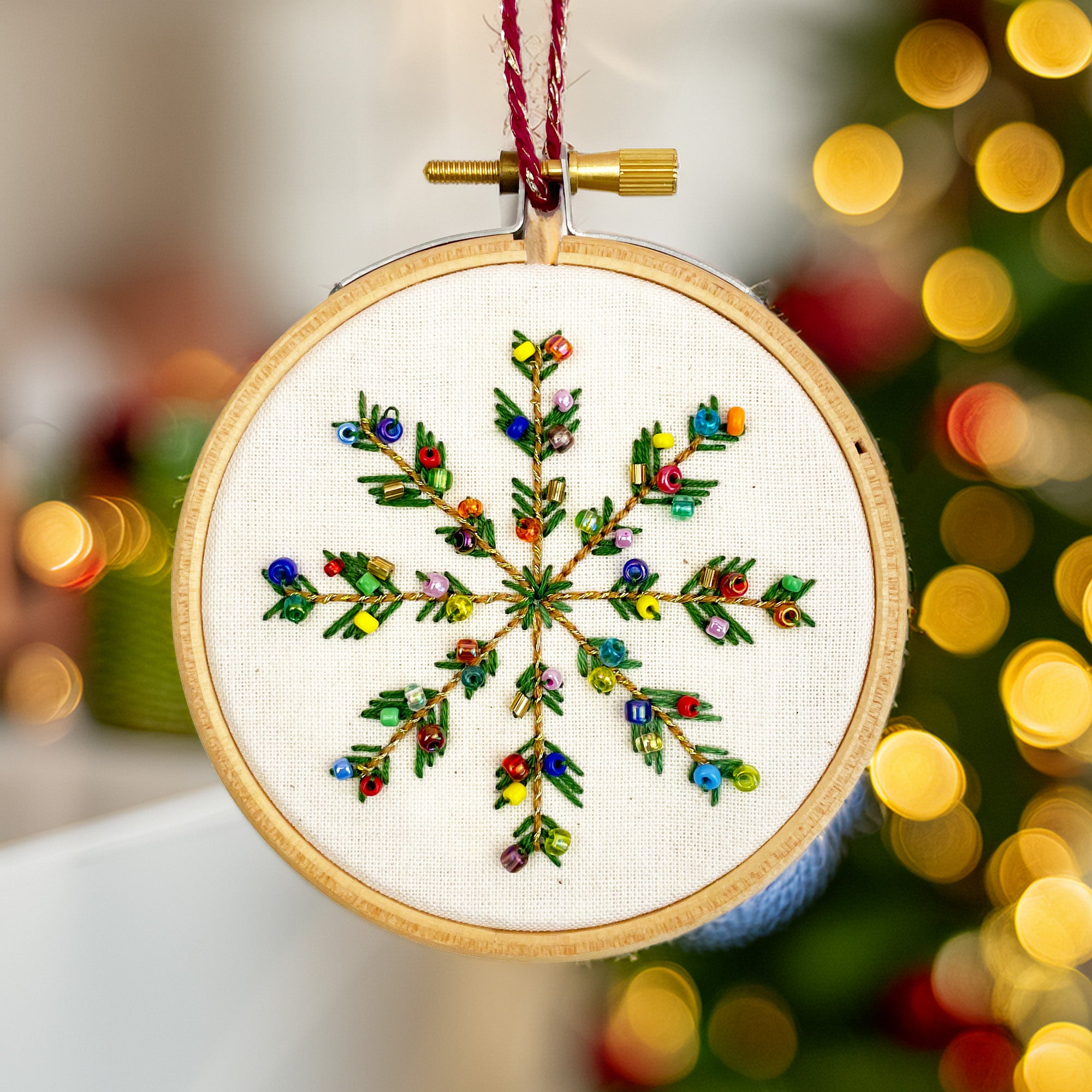
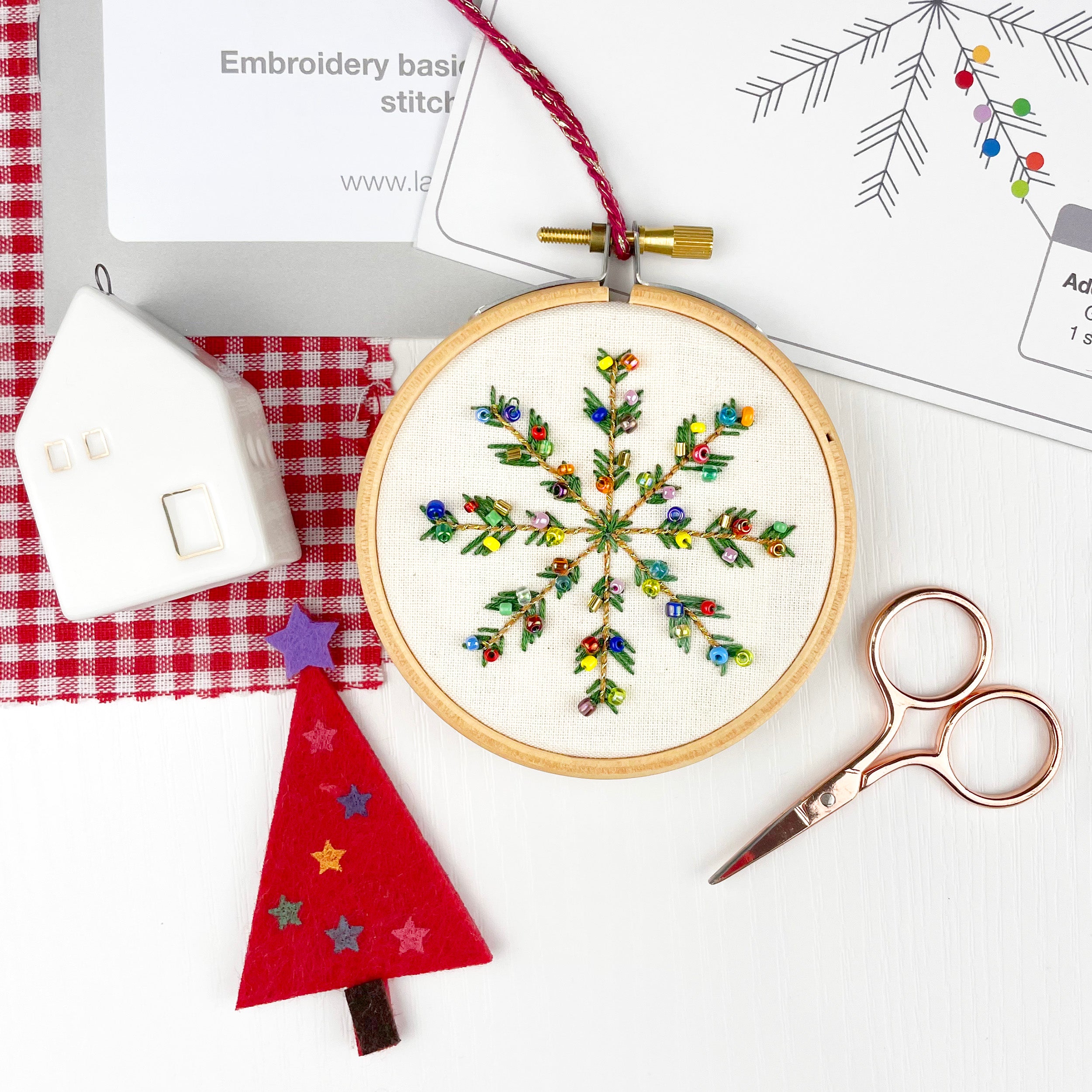
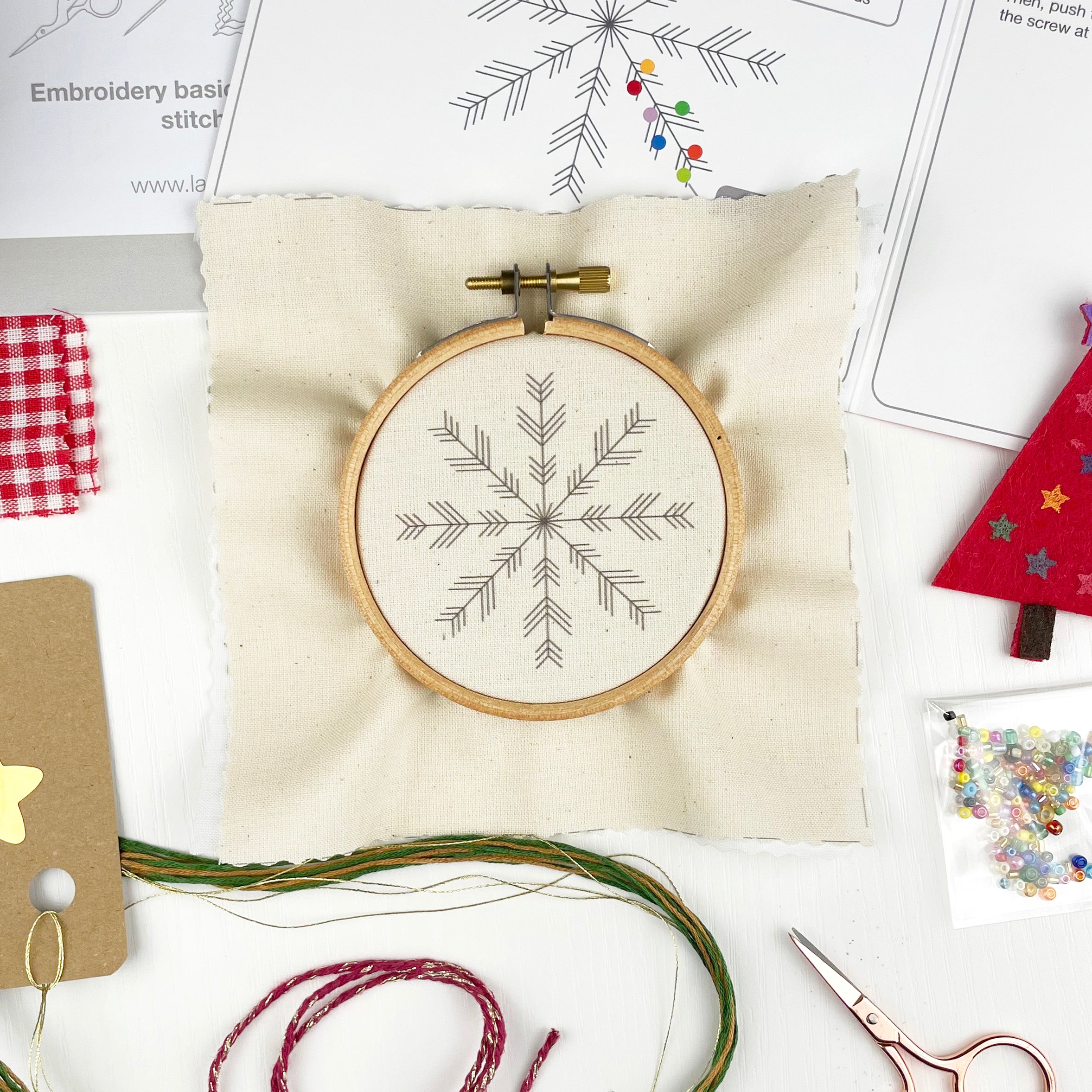
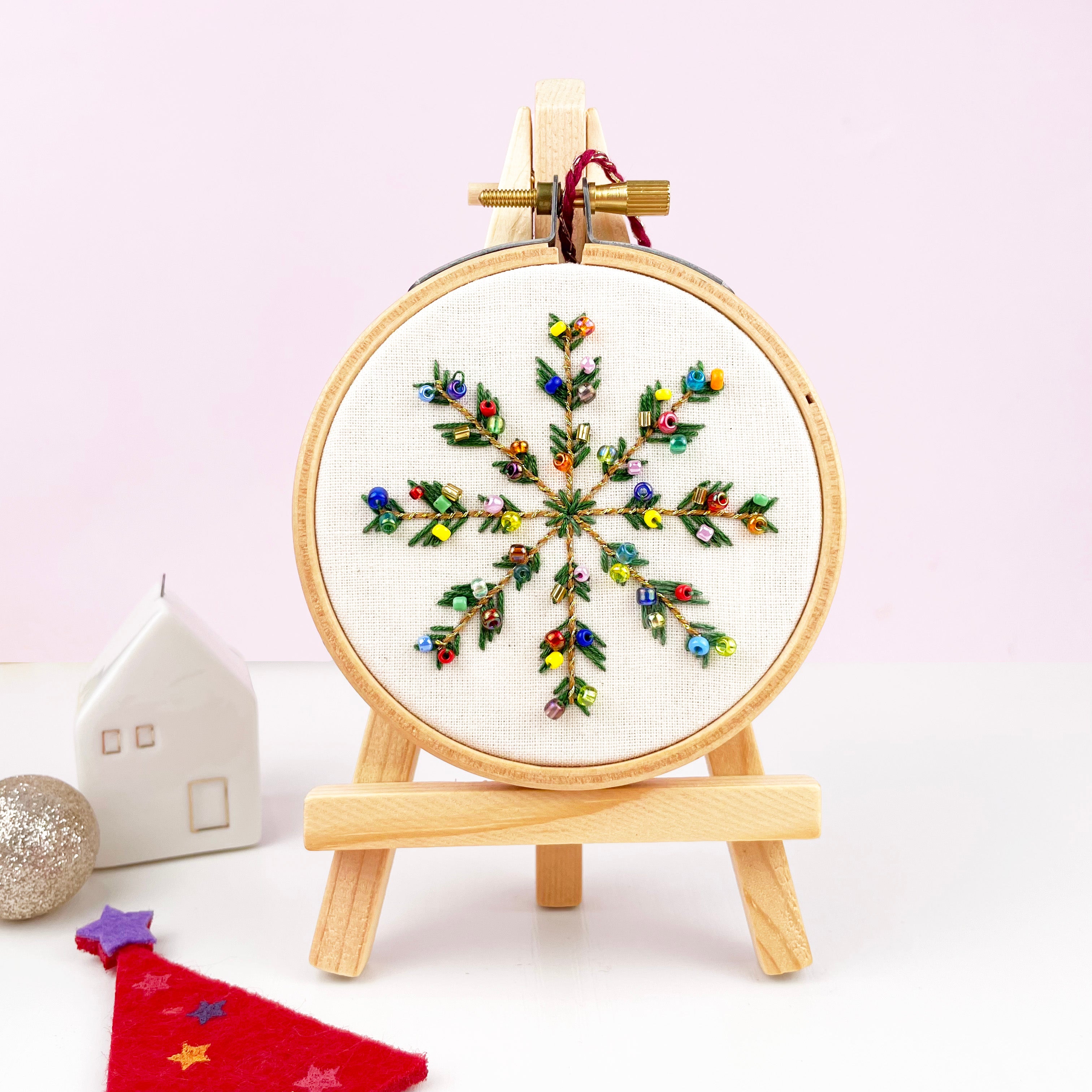
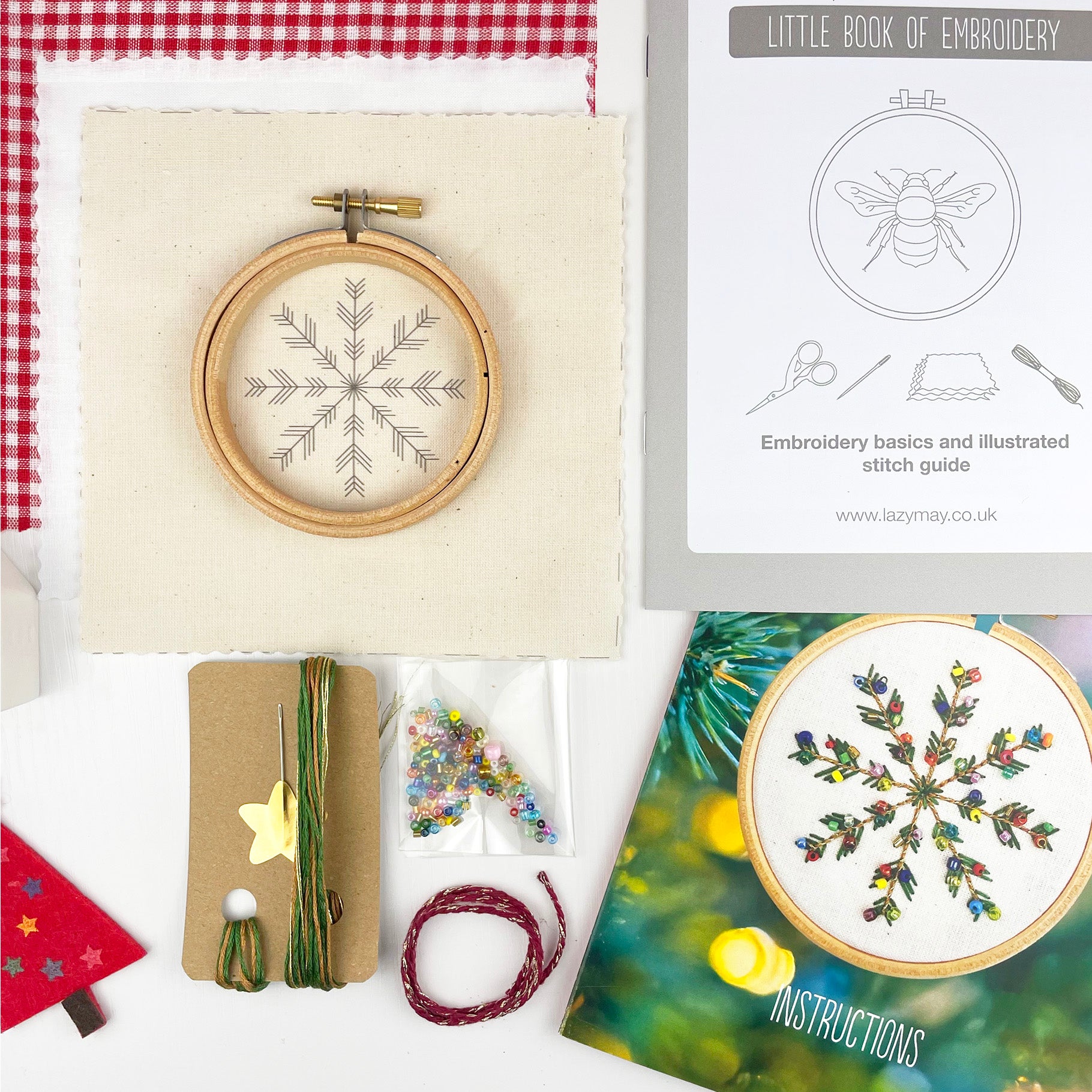
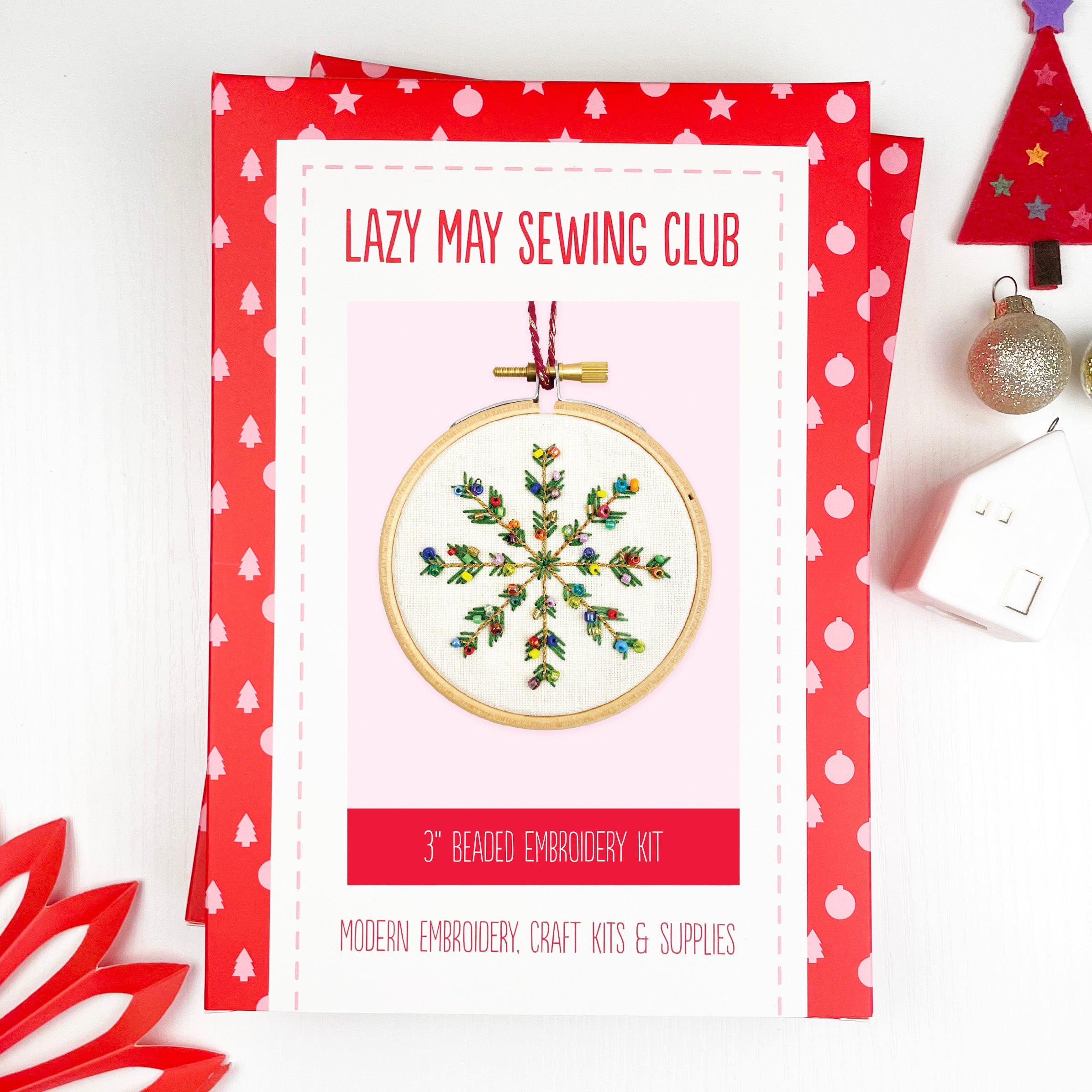
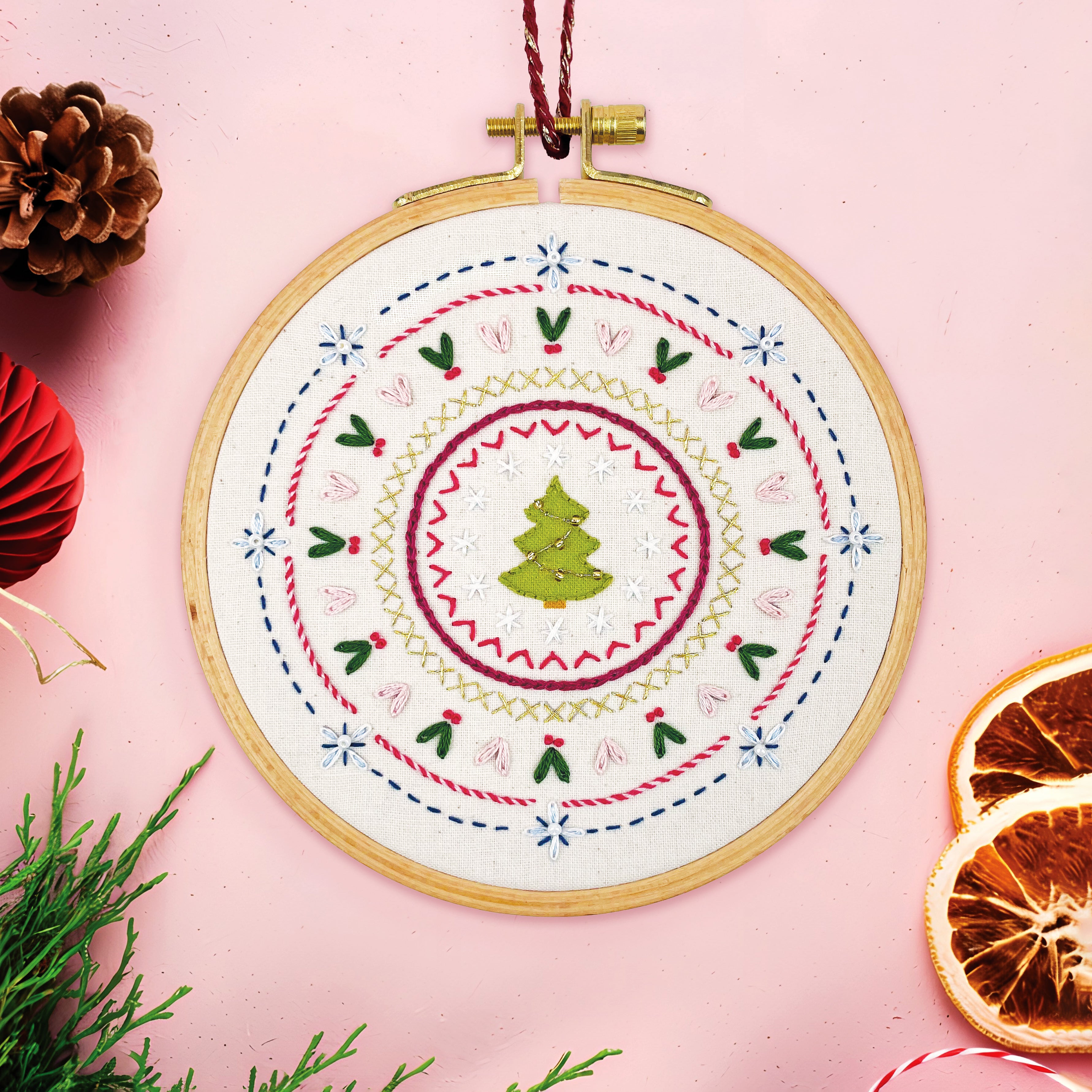
Christmas Beaded Ornament Embroidery Kit
Create a sparkly handmade decoration using simple embroidery, gold thread and colourful beads.
Shop the ornament kit
Beginner Stitch Sampler Embroidery Kit
Learn 13 useful embroidery stitches with a calm, easy-to-follow pastel sampler.
Shop the sampler kit
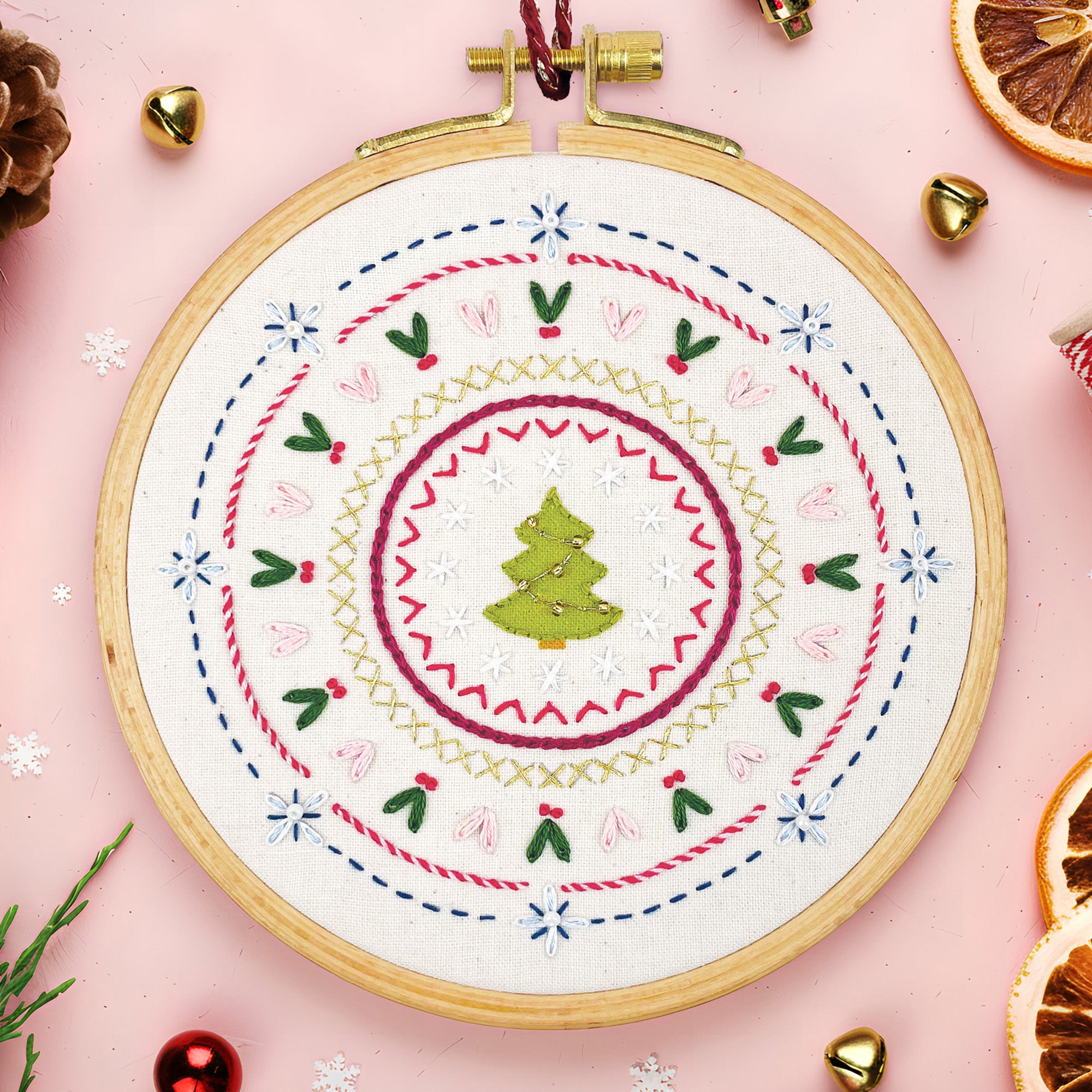
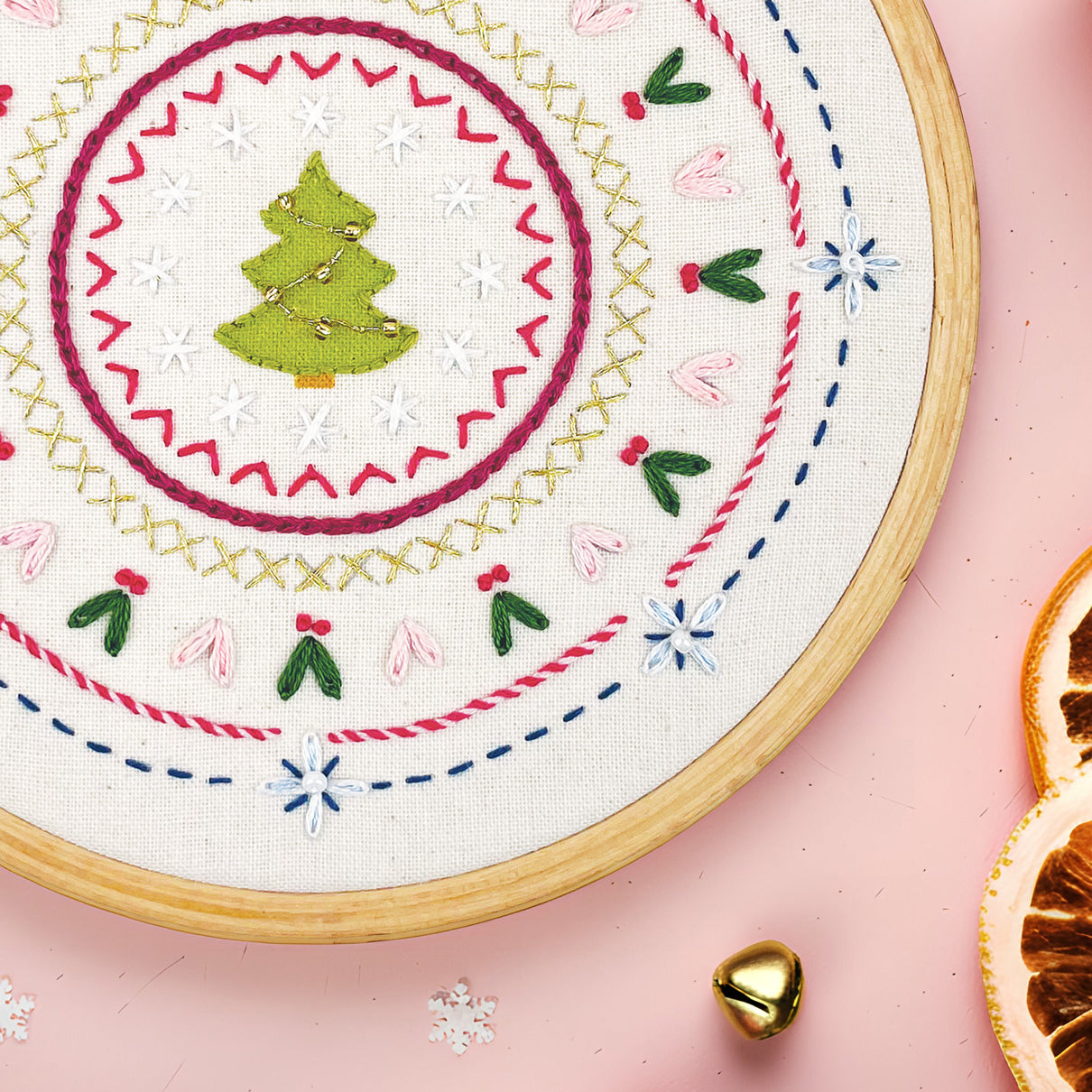
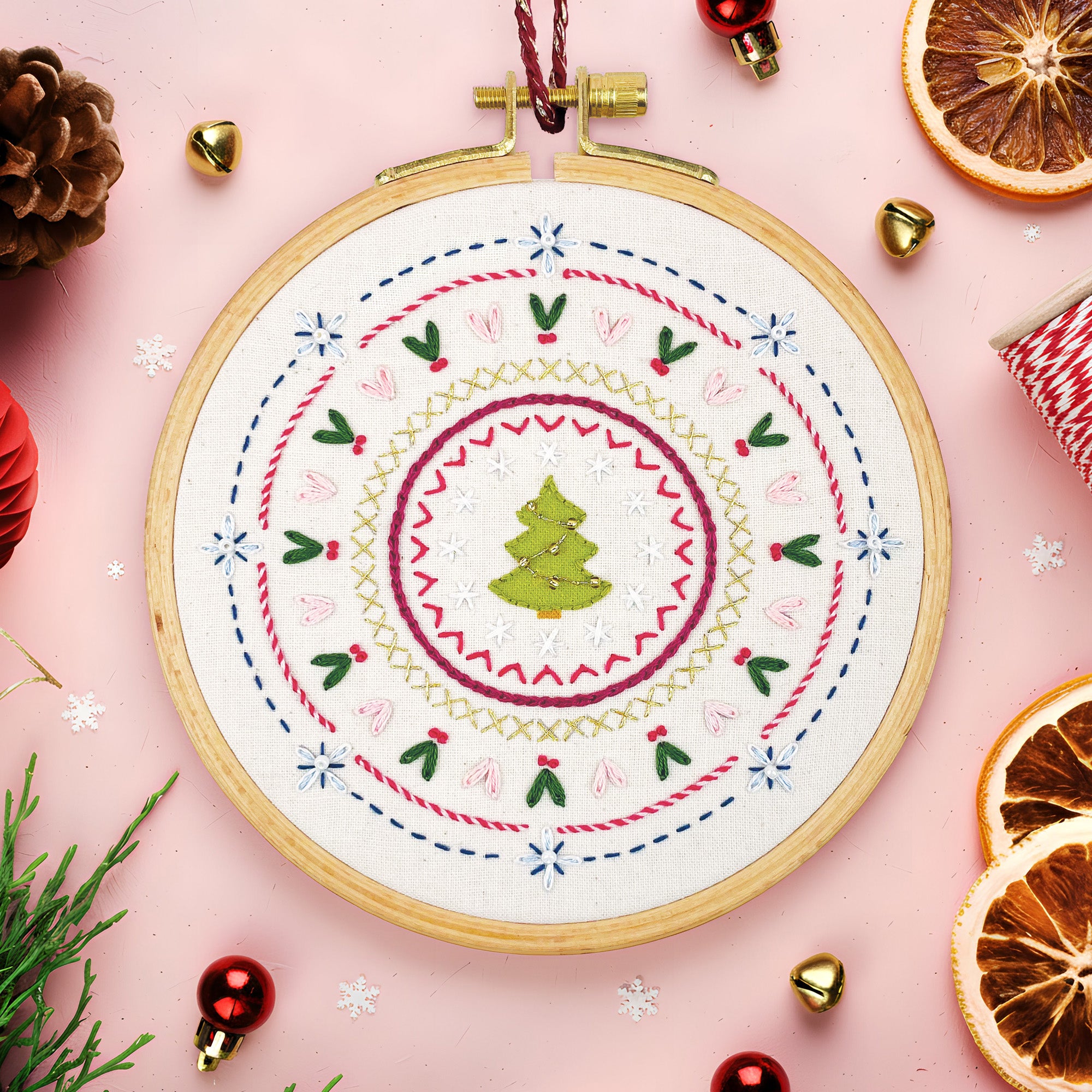
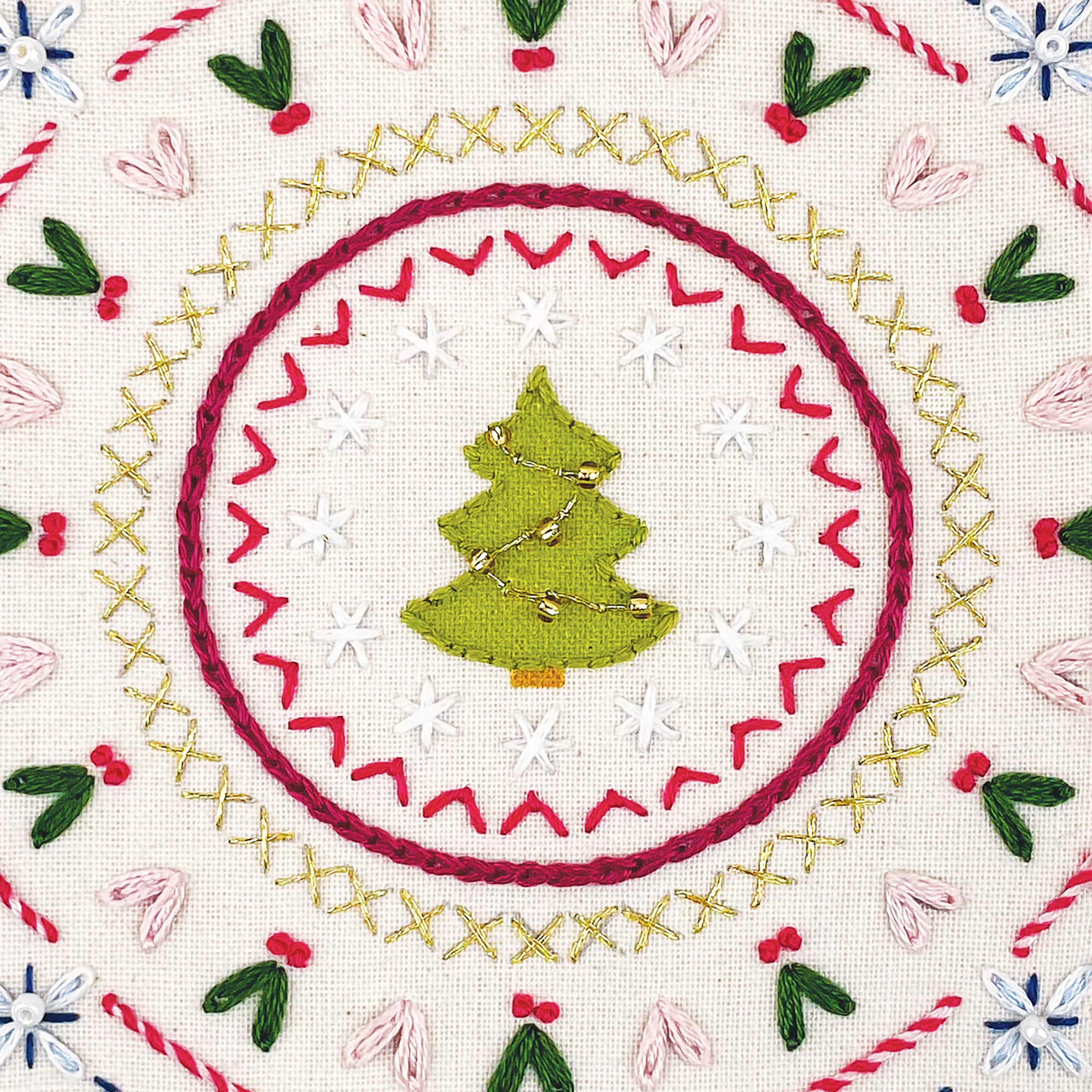
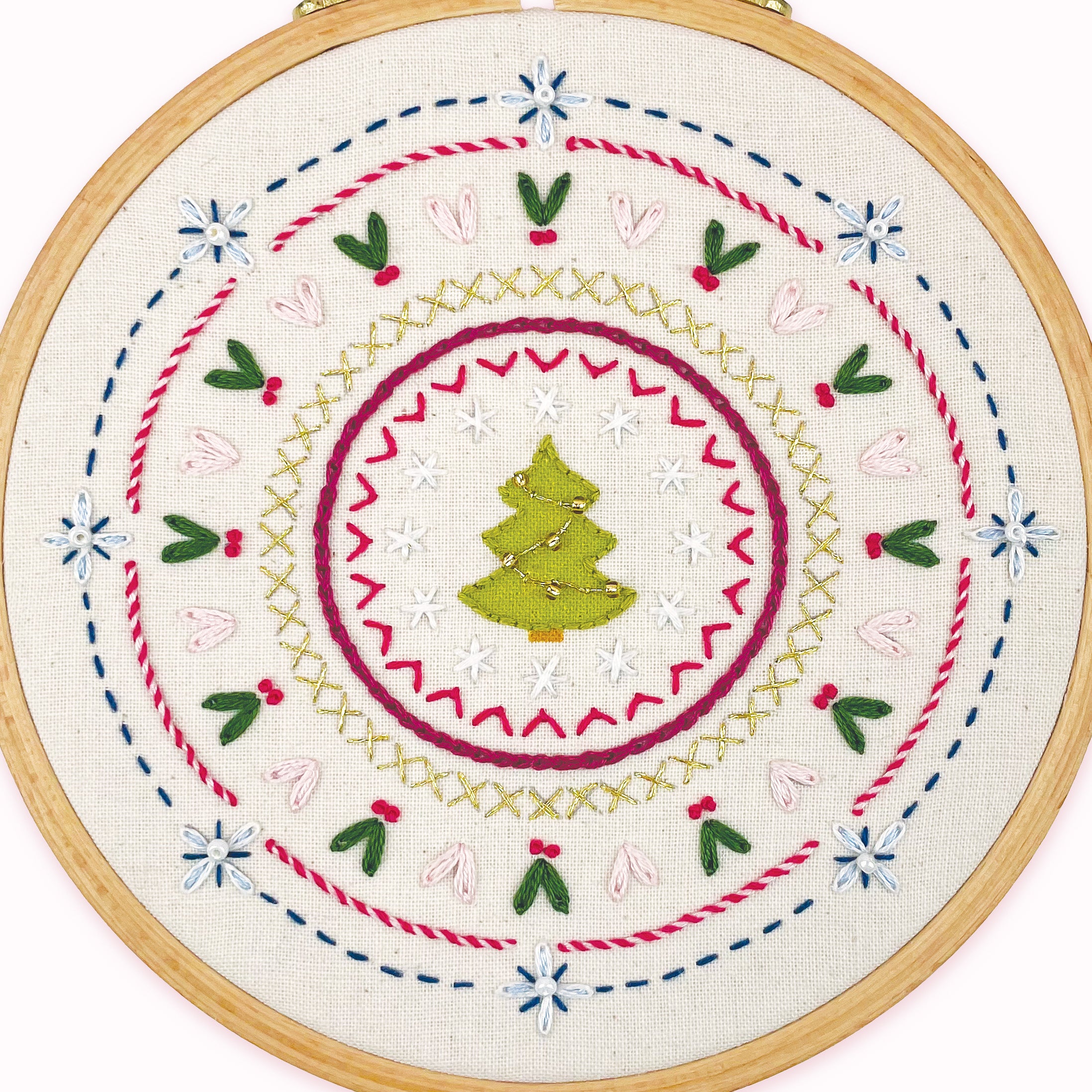
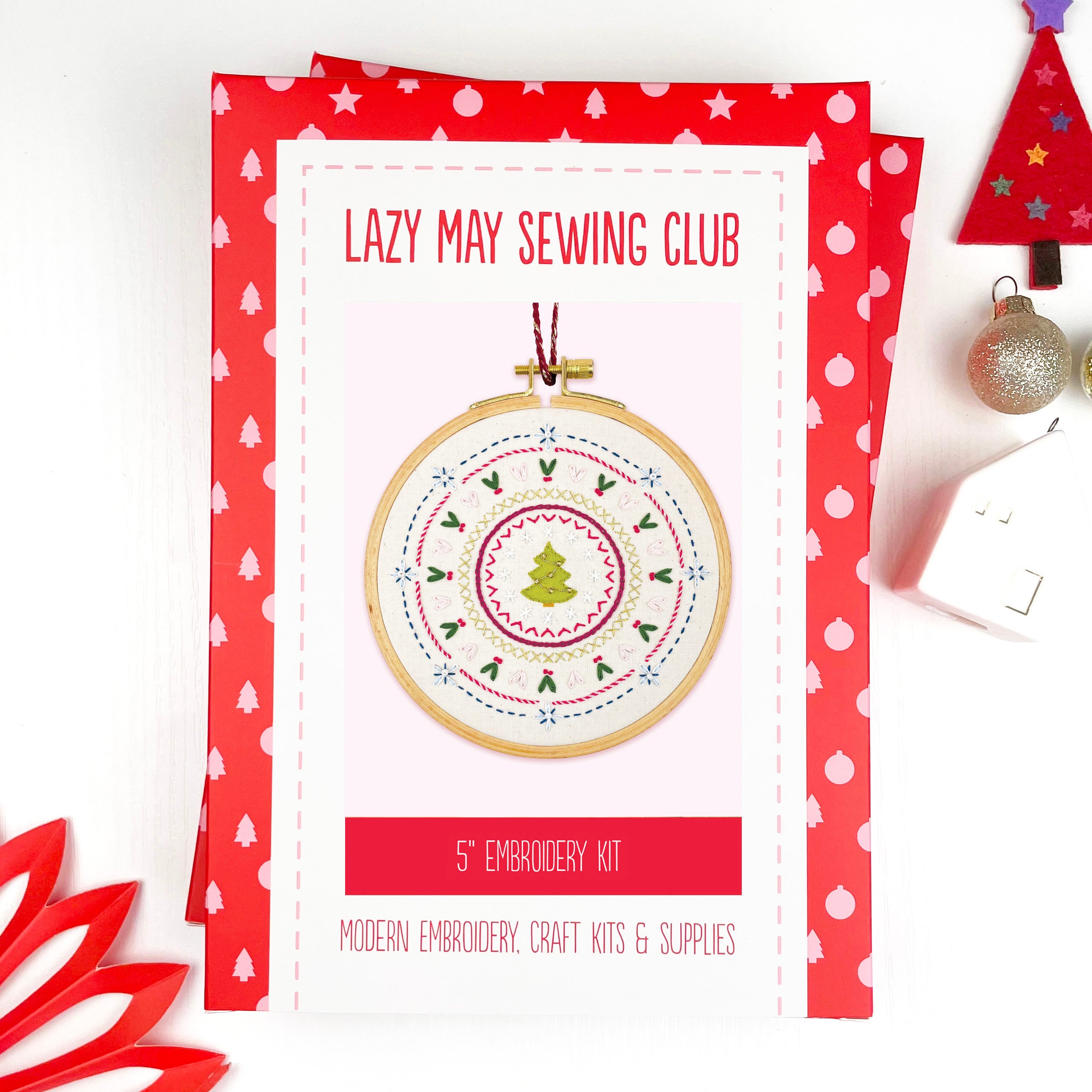
Christmas Stitch Sampler Embroidery Kit
Enjoy a colourful mixture of beginner-friendly stitches in a cheerful festive design.
Shop the Christmas samplerTips for whipped back stitch
- Keep the first line of back stitch neat, as this gives the whipped stitch its shape.
- Always pass the needle under the stitches rather than through the fabric.
- Whip the thread in the same direction along the whole line for an even twist.
- Avoid pulling the second thread too tightly, as it should sit smoothly on the surface.
- Try using a metallic thread for the whipped layer if you want to add shine without making the stitching too fiddly.