How to do back stitch
Back stitch is one of the most useful hand embroidery stitches to learn. It creates a neat, solid-looking line, which makes it brilliant for outlining shapes, stitching words and adding clear details to a design.

How to do back stitch step-by-step
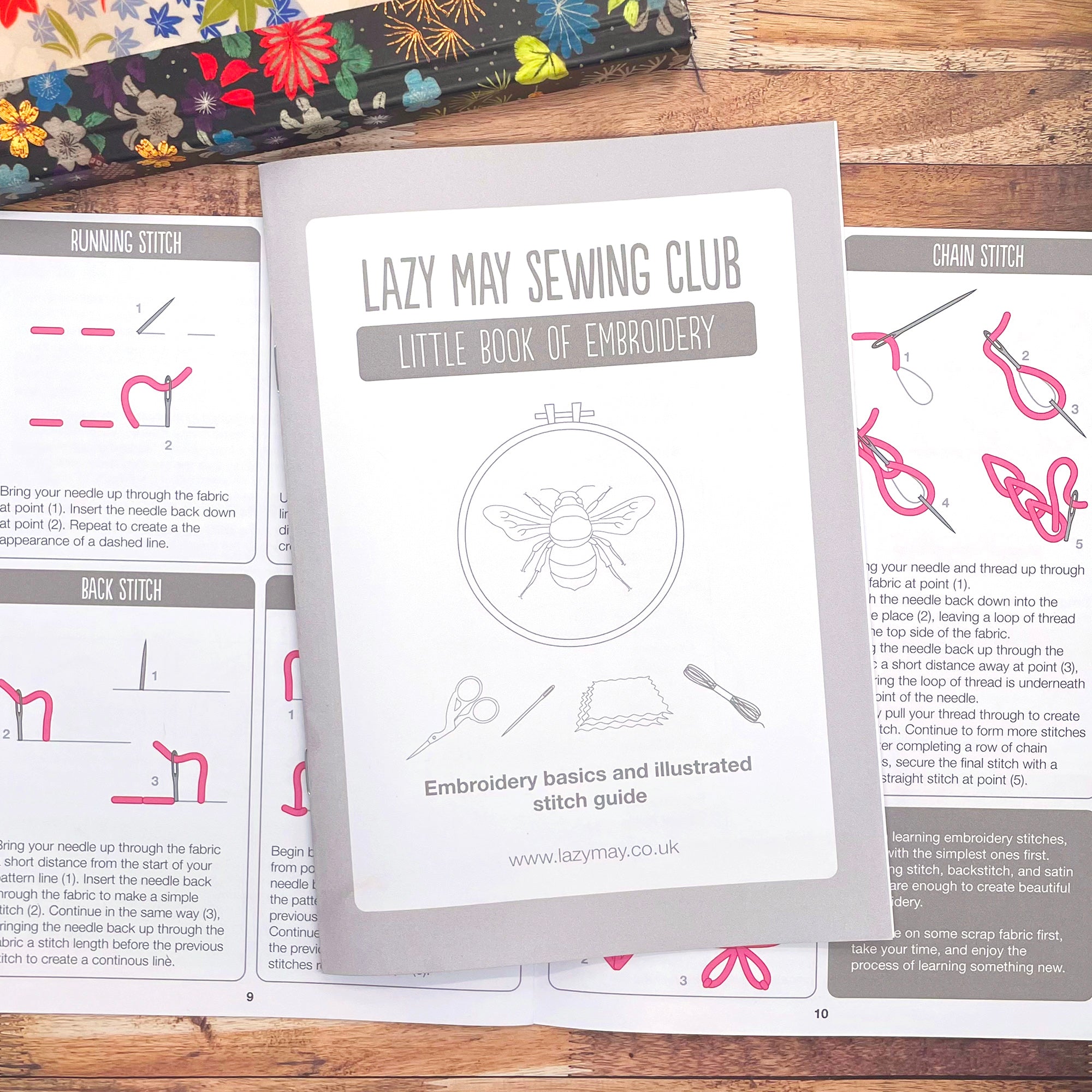
- Bring your needle up through the fabric one stitch length ahead of where you want your line to begin.
- Take the needle back down at the start of the line to make your first stitch.
- Bring the needle up again one stitch length ahead along the pattern line.
- Take the needle back down into the same hole at the end of the previous stitch.
- Repeat this pattern along the line: come up one stitch length ahead, then go back down into the end of the stitch before.
- Keep your stitches a similar length for the neatest result.
Back stitch gets its name because each stitch goes backwards into the end of the last one. Once you get used to that rhythm, it becomes a very steady and reliable stitch to use.
What is back stitch used for?
Back stitch is one of the best embroidery stitches for outlines because it creates a clear line without gaps. It is useful for outlining flowers, animals, lettering, borders and any part of a design where you want a crisp edge.
You can also use back stitch for small details, stems, simple line drawings and text. Shorter stitches are best for curves and tiny details, while slightly longer stitches work well for straighter lines.
Practise back stitch with a complete embroidery kit
Choose from a bright floral design, a relaxing Christmas project or soft pastel wildflowers. Each beginner-friendly kit includes the materials and clear instructions you need to start stitching straight away.

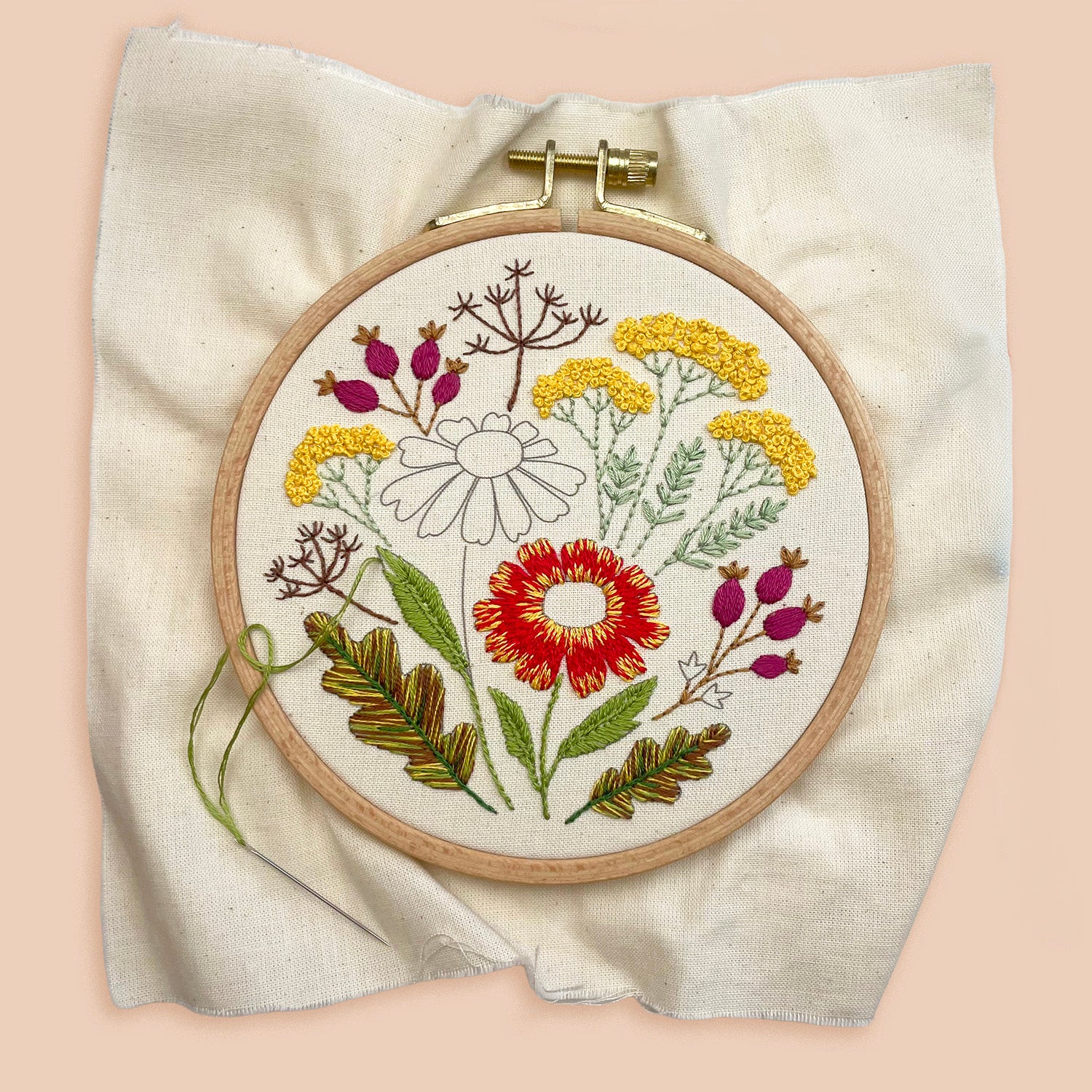
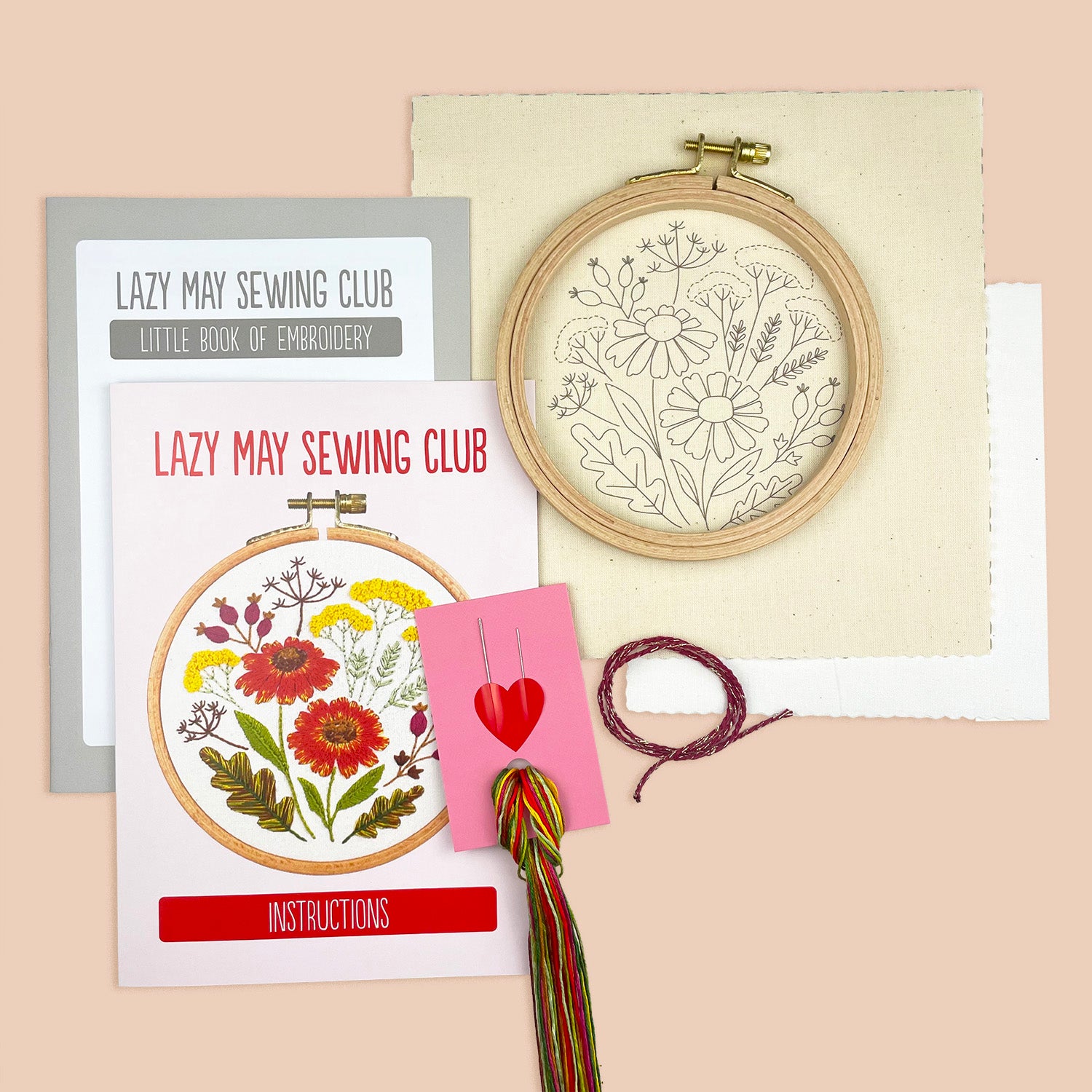
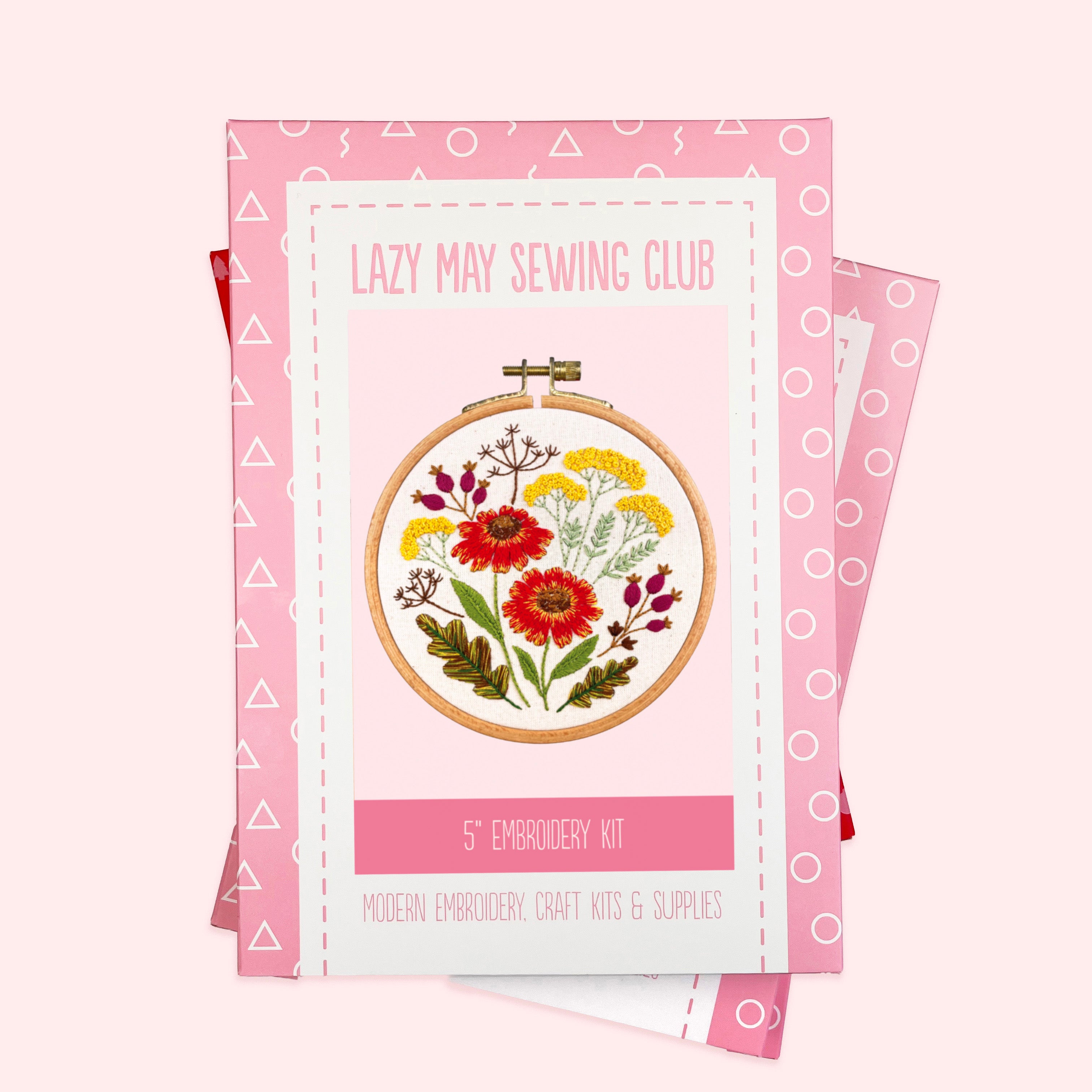
Kitchen Table Flowers Embroidery Kit
A cheerful floral embroidery kit filled with bright colour and simple stitches. The printed fabric and clear instructions make it easy to get started, with back stitch used for some of the stems and outlines.
Shop Kitchen Table Flowers
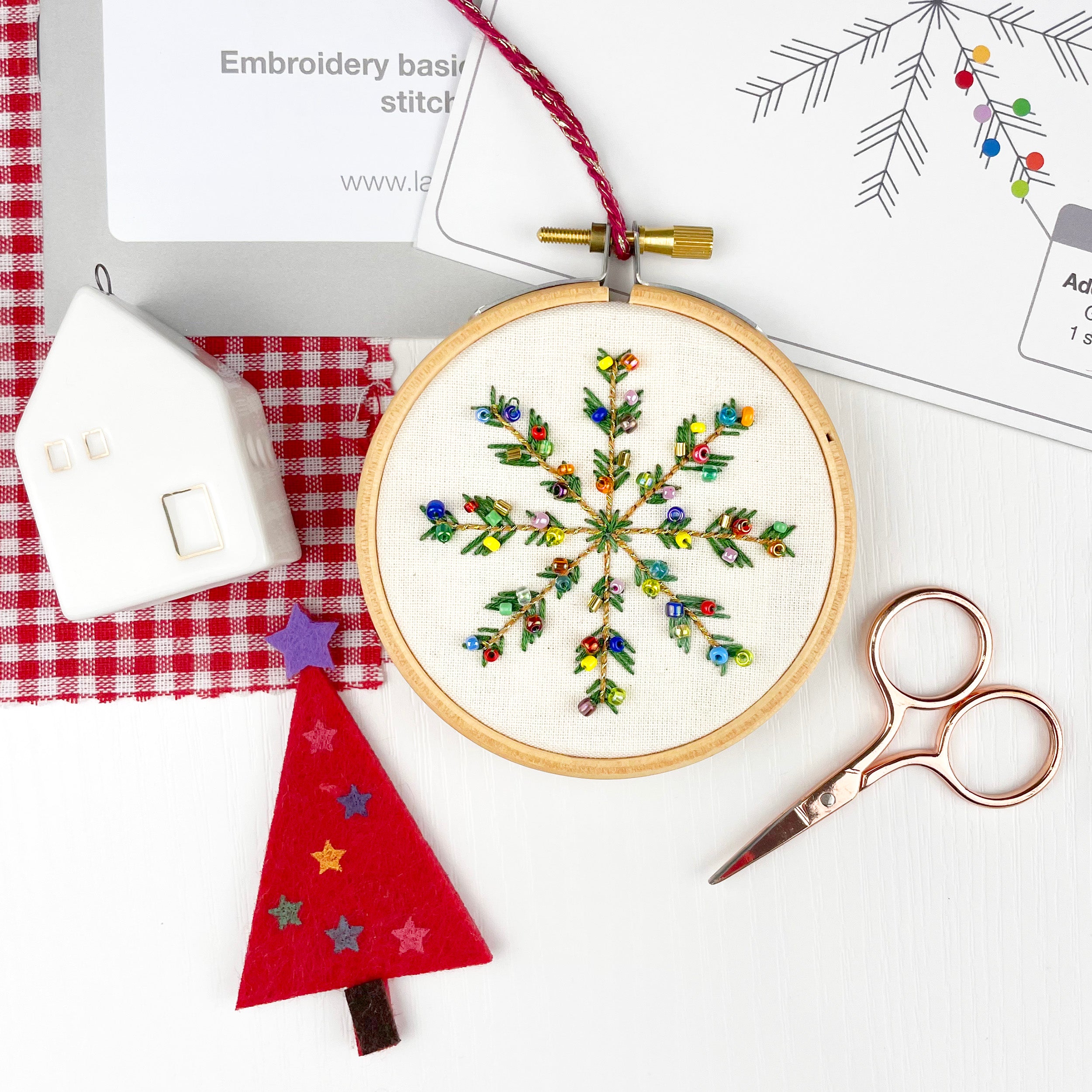
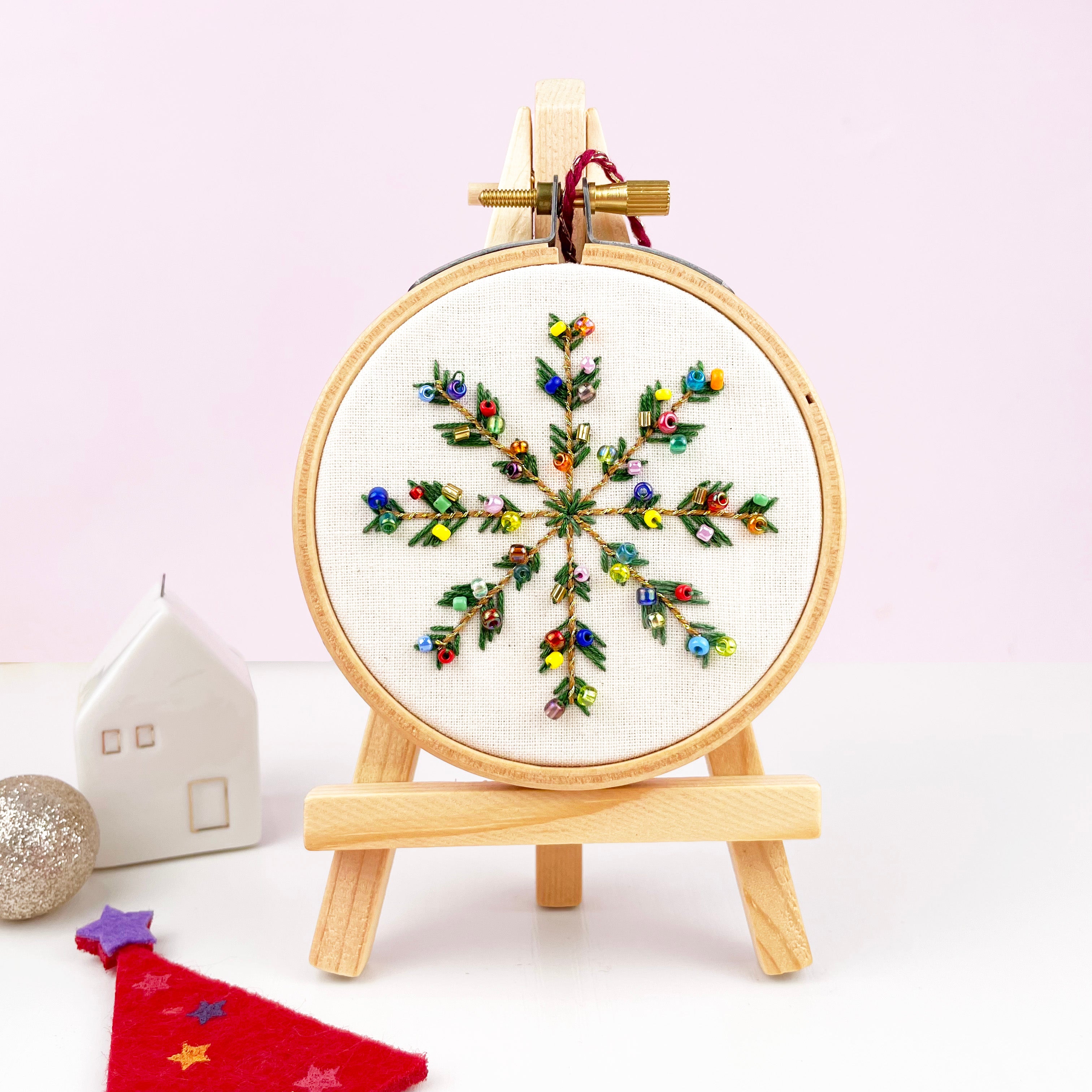
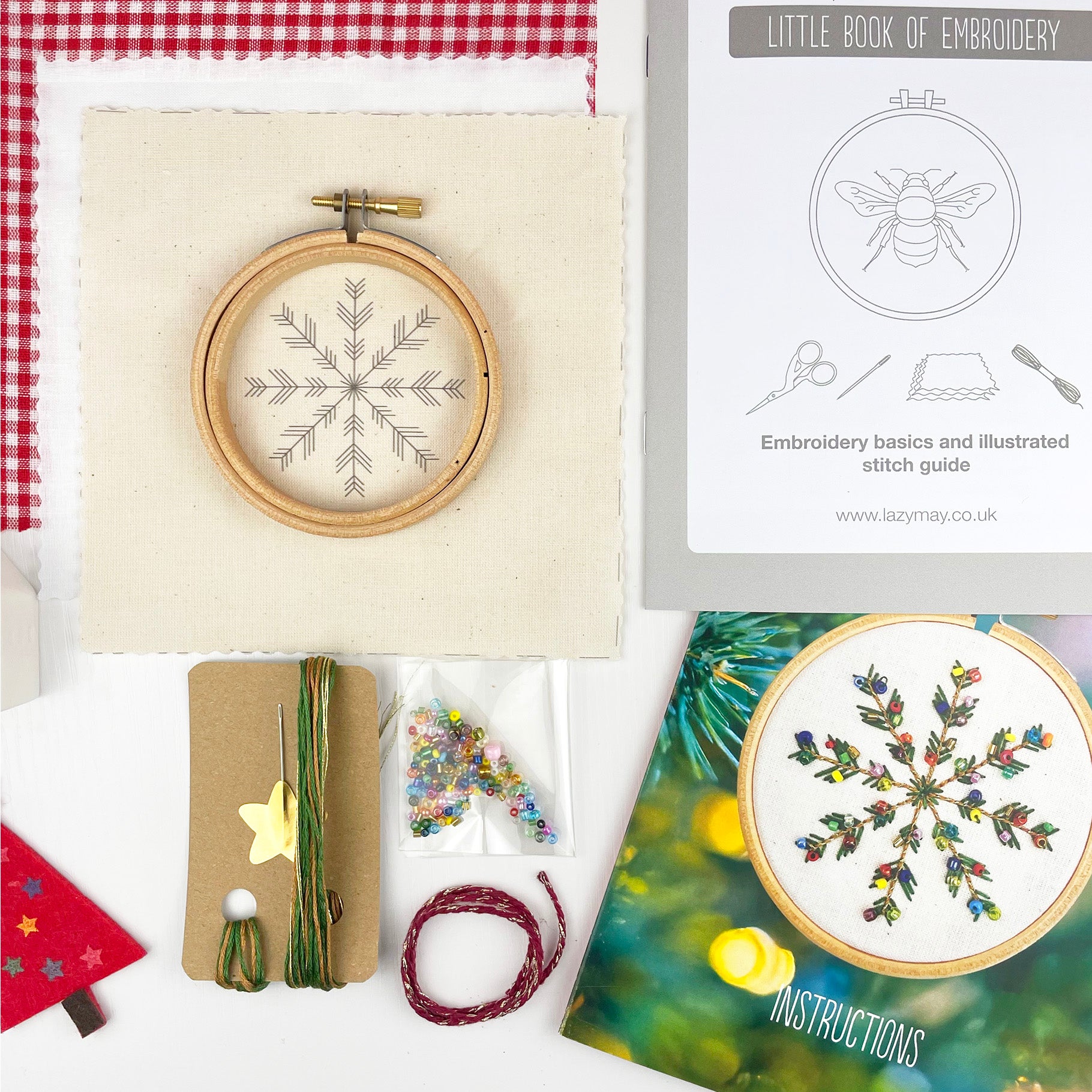
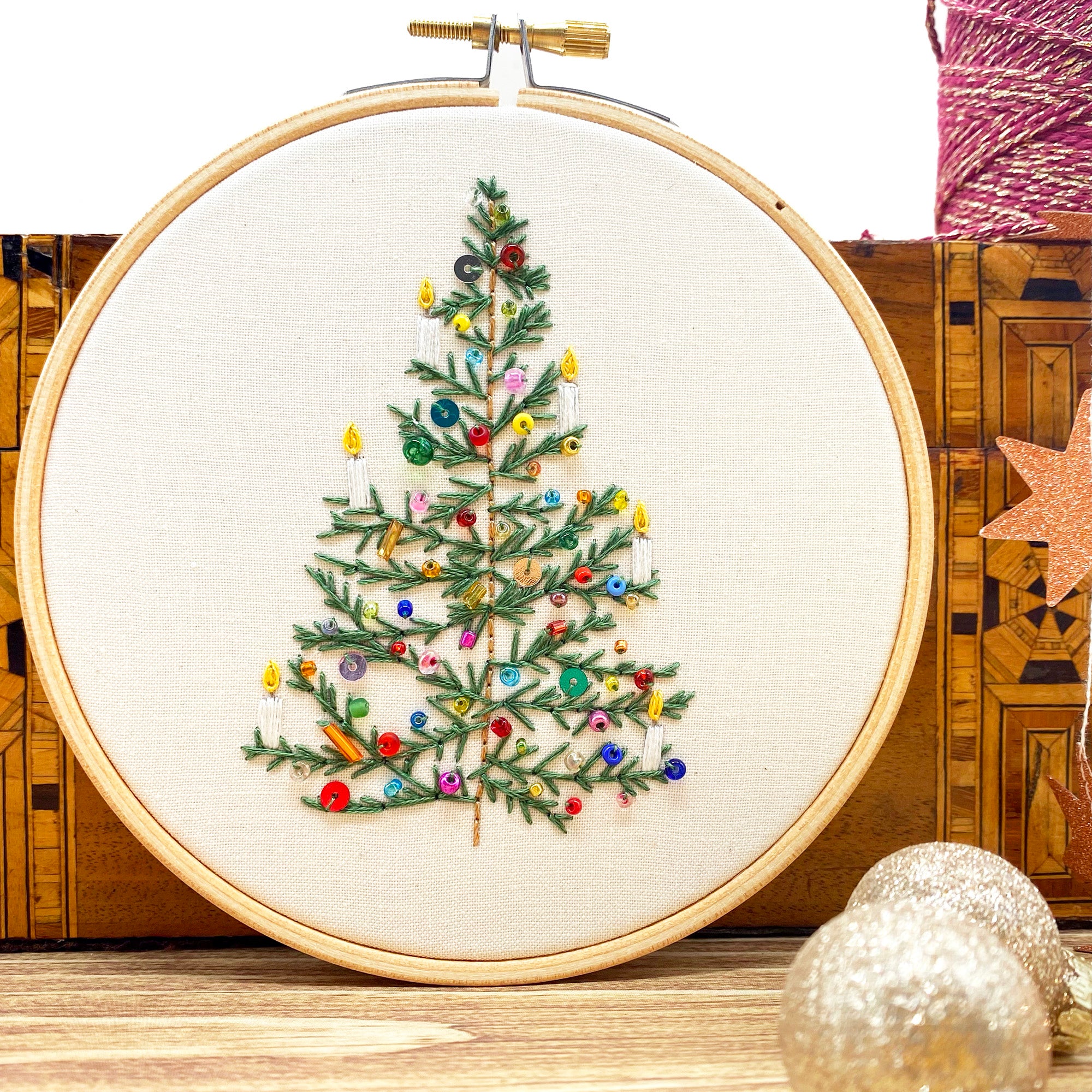
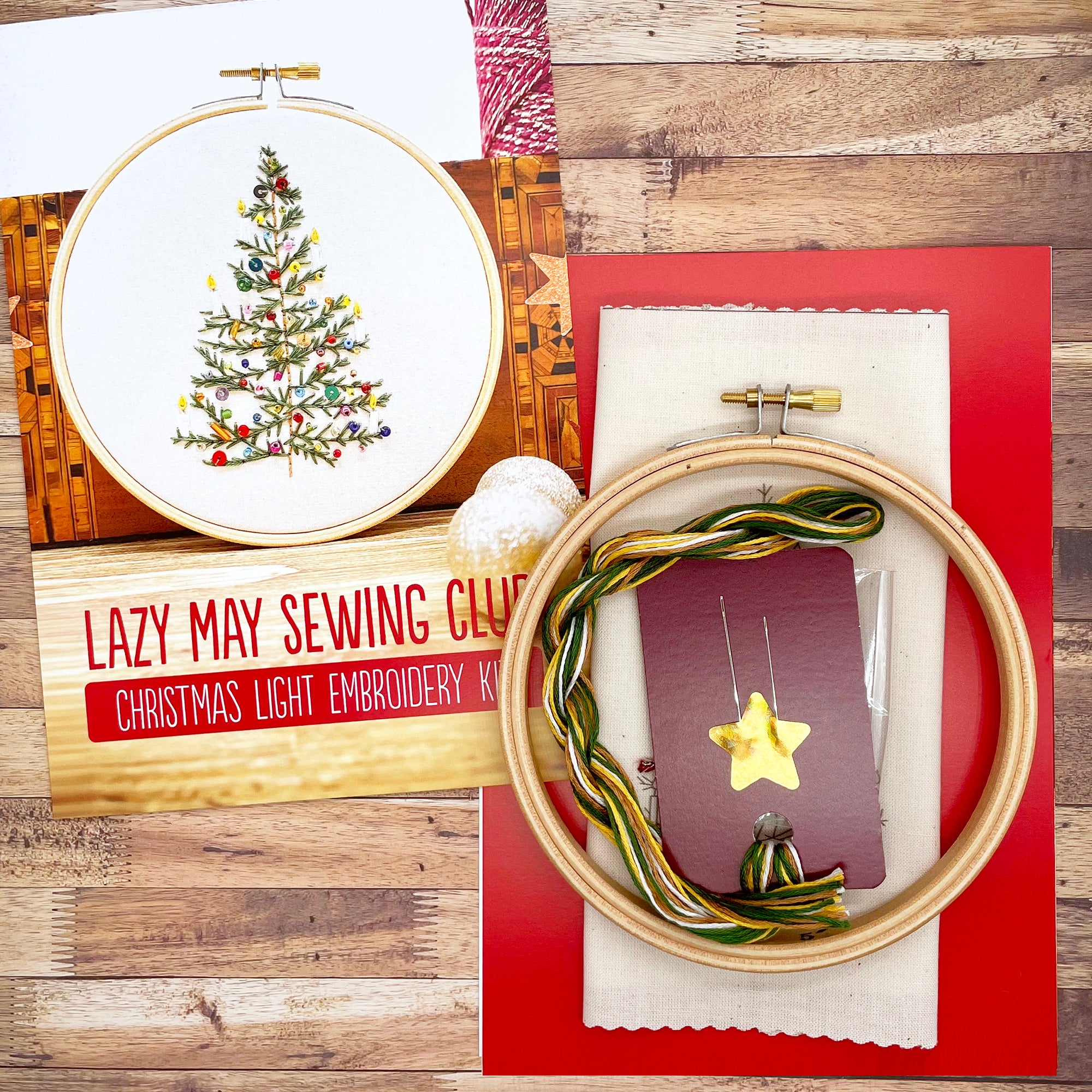
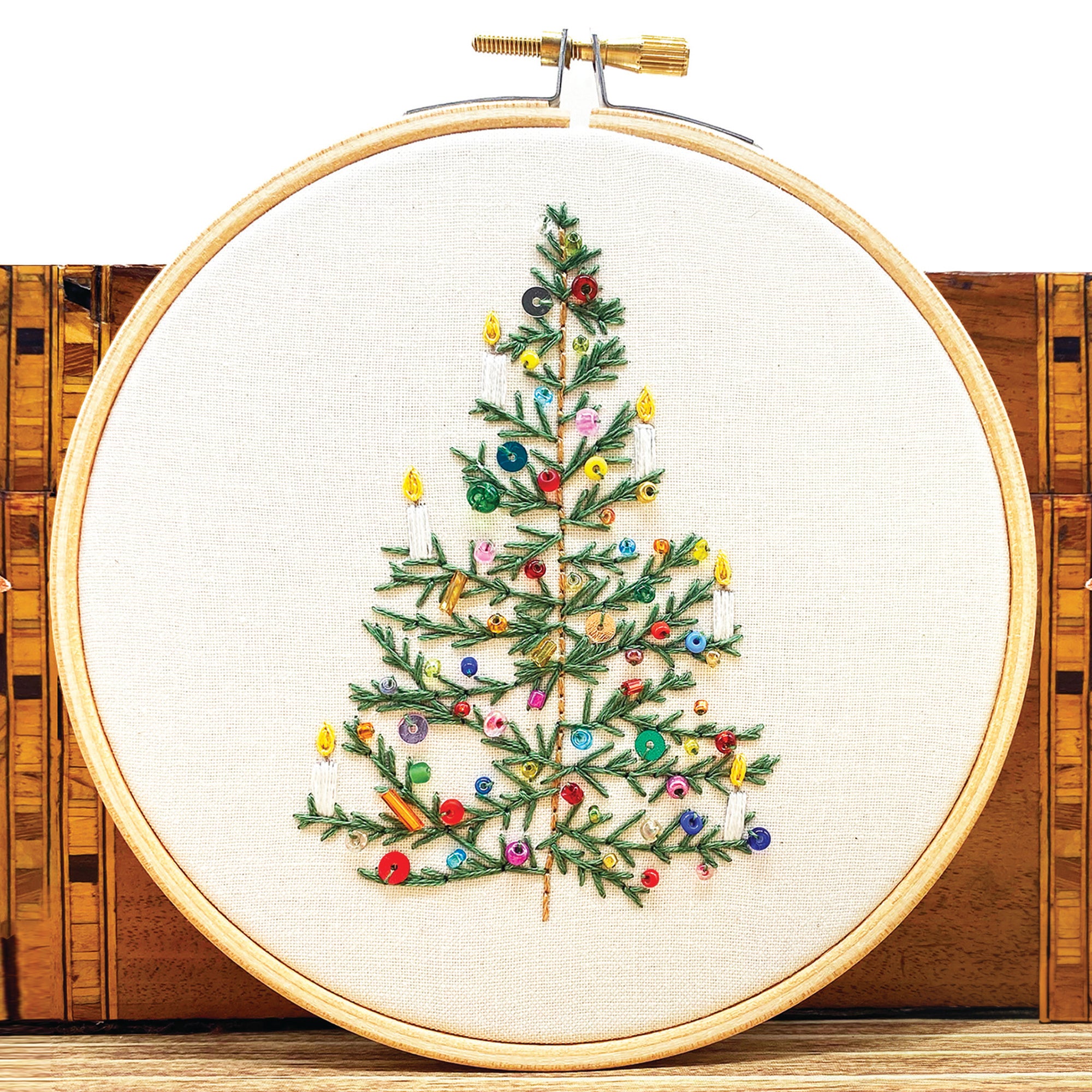
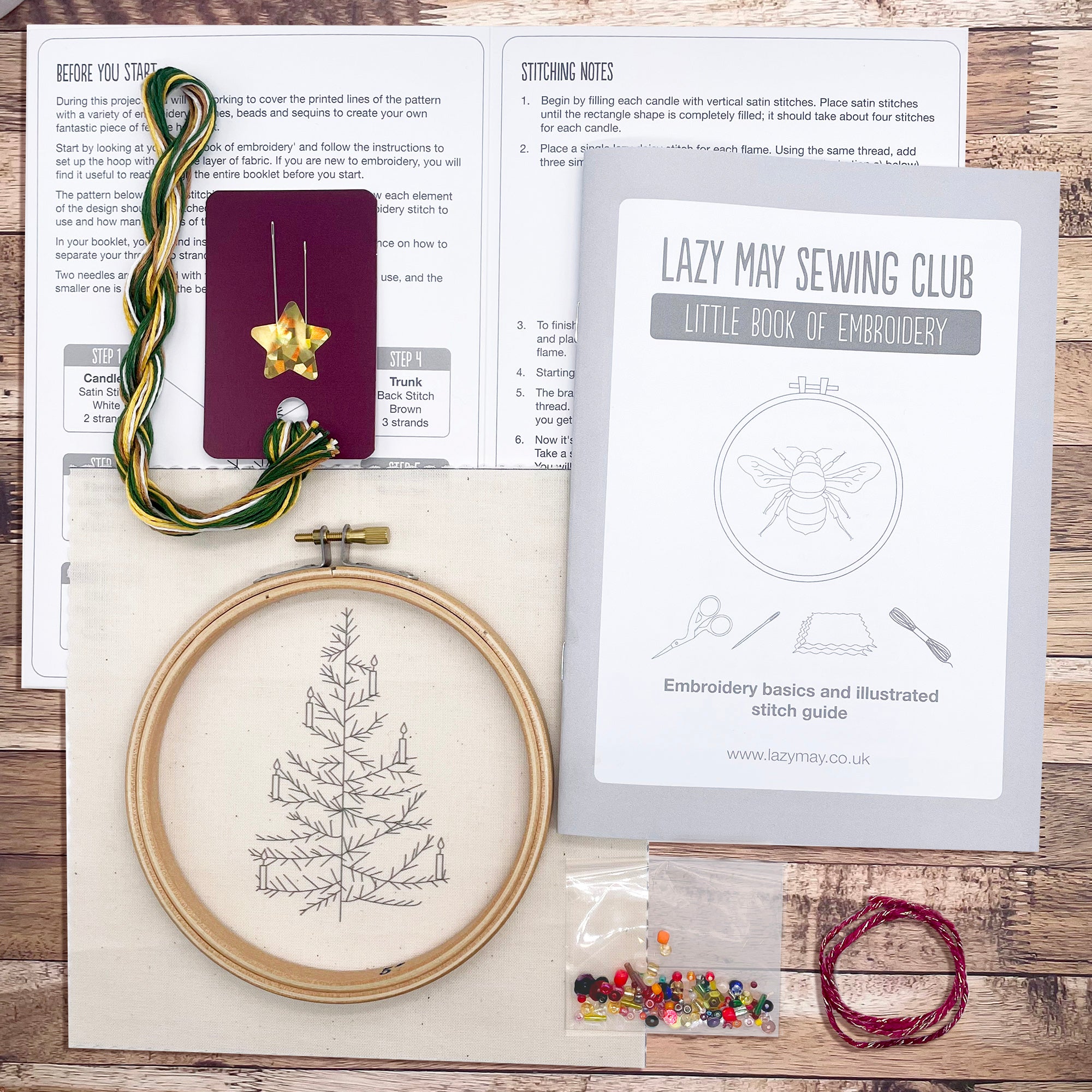
Beaded Christmas Tree Embroidery Kit
A lovely project for a cosy evening, combining simple embroidery with colourful beads and sequins. Back stitch is used for the tree trunk before you add the festive details.
Shop the Christmas tree kit
Pastel Wildflowers Embroidery Kit
A soft floral project with a varied selection of beginner-friendly stitches to enjoy over a few relaxing evenings. Back stitch is used for several of the delicate flower stems.
Shop Pastel WildflowersTips for back stitch
- Use shorter stitches on curves so the line follows the shape neatly.
- Try to keep your stitch length consistent for a smoother outline.
- Do not pull the thread too tightly, as this can pucker the fabric.
- For lettering, work slowly around corners and curves, almost as if you are drawing with your needle.
- Use an embroidery hoop to keep the fabric taut, especially when stitching longer outlines.
- If you want a finer line, use fewer strands of embroidery thread.