How to do split stitch
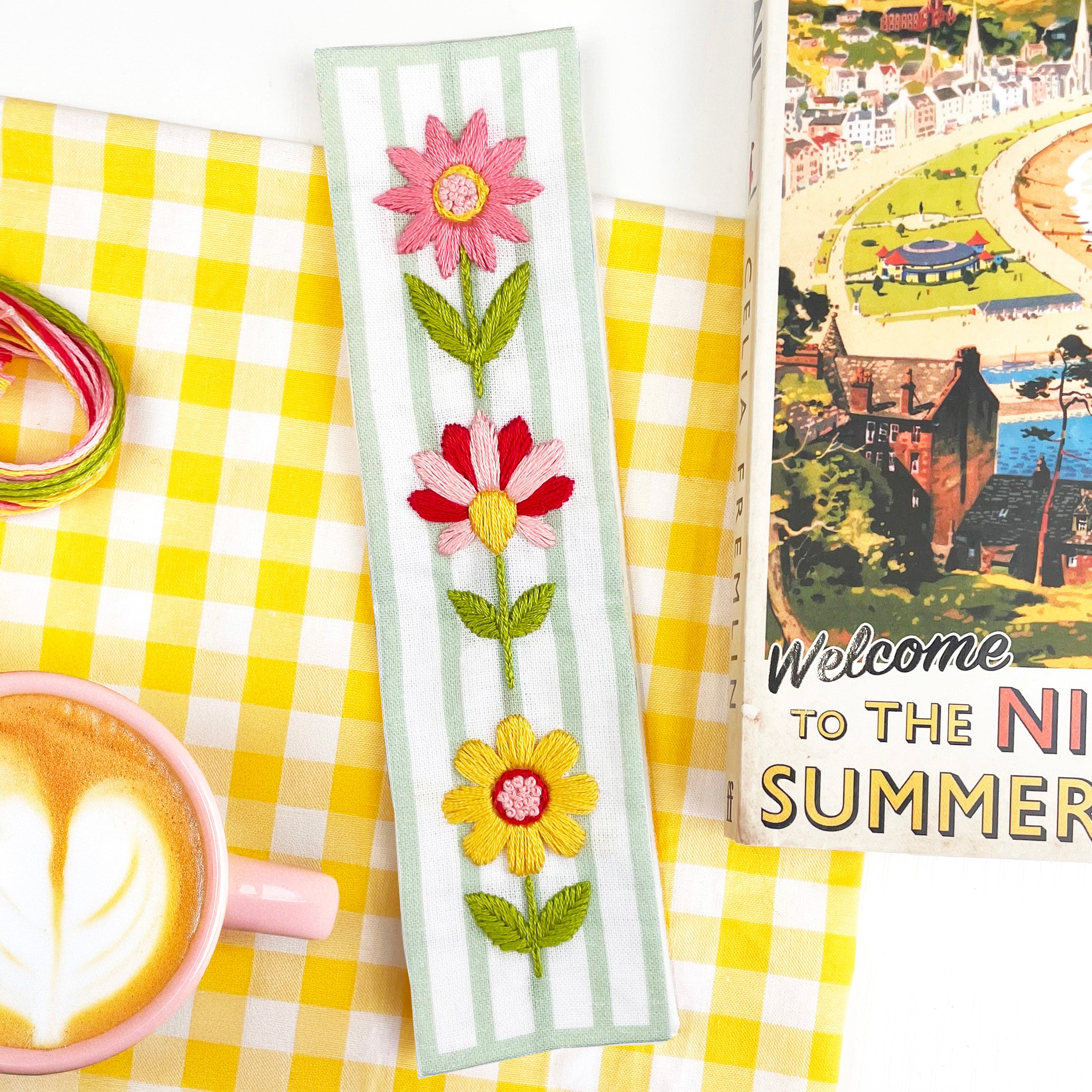
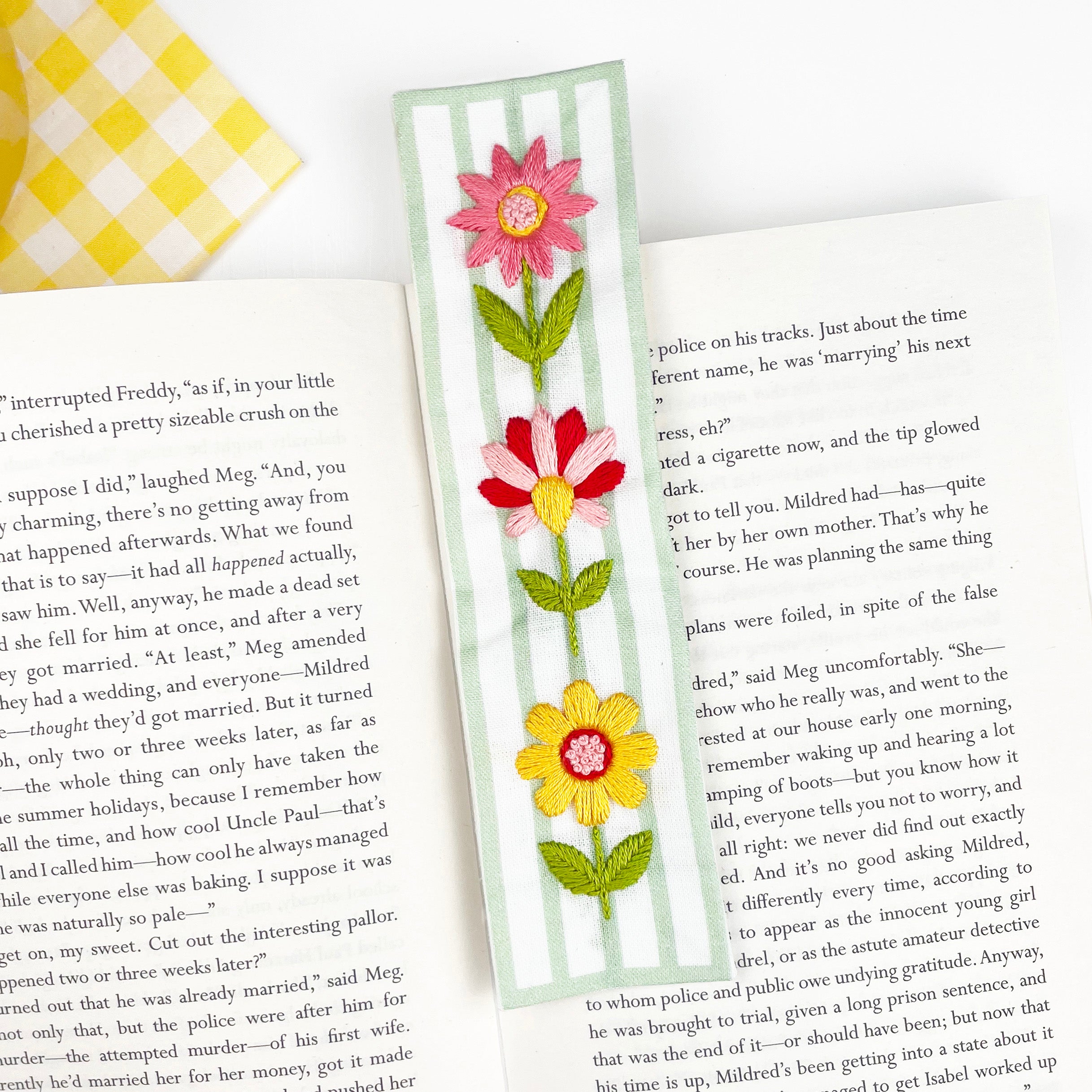
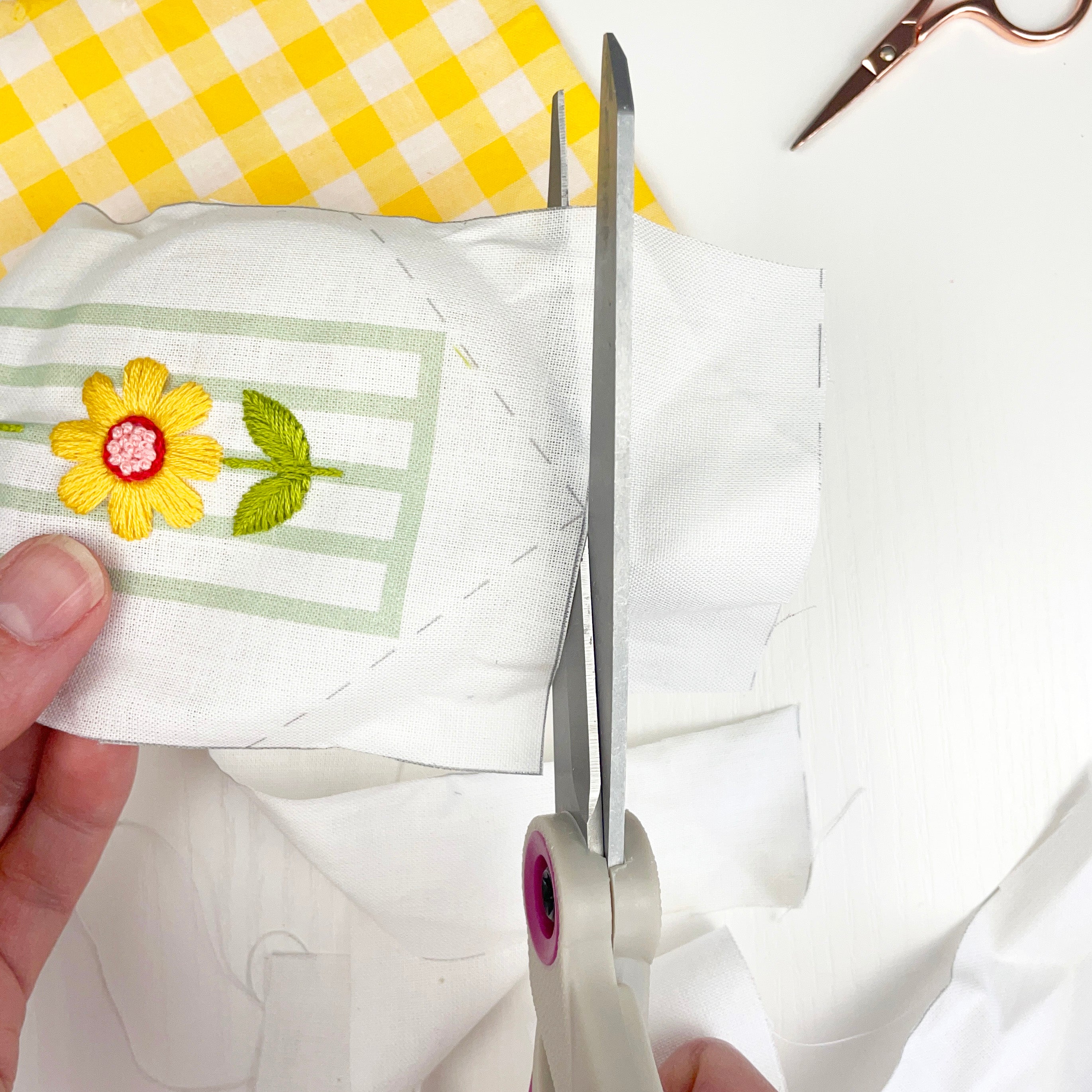
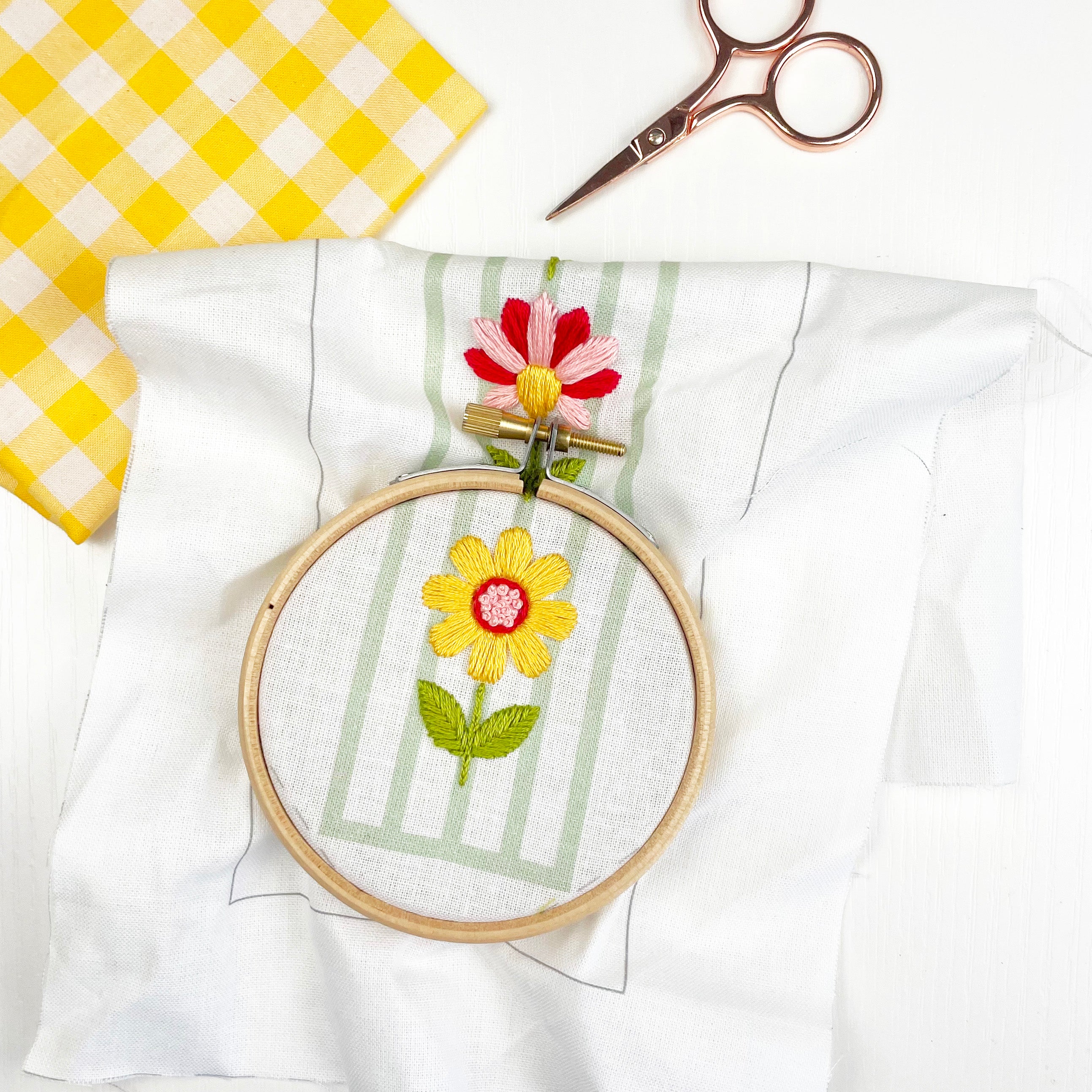
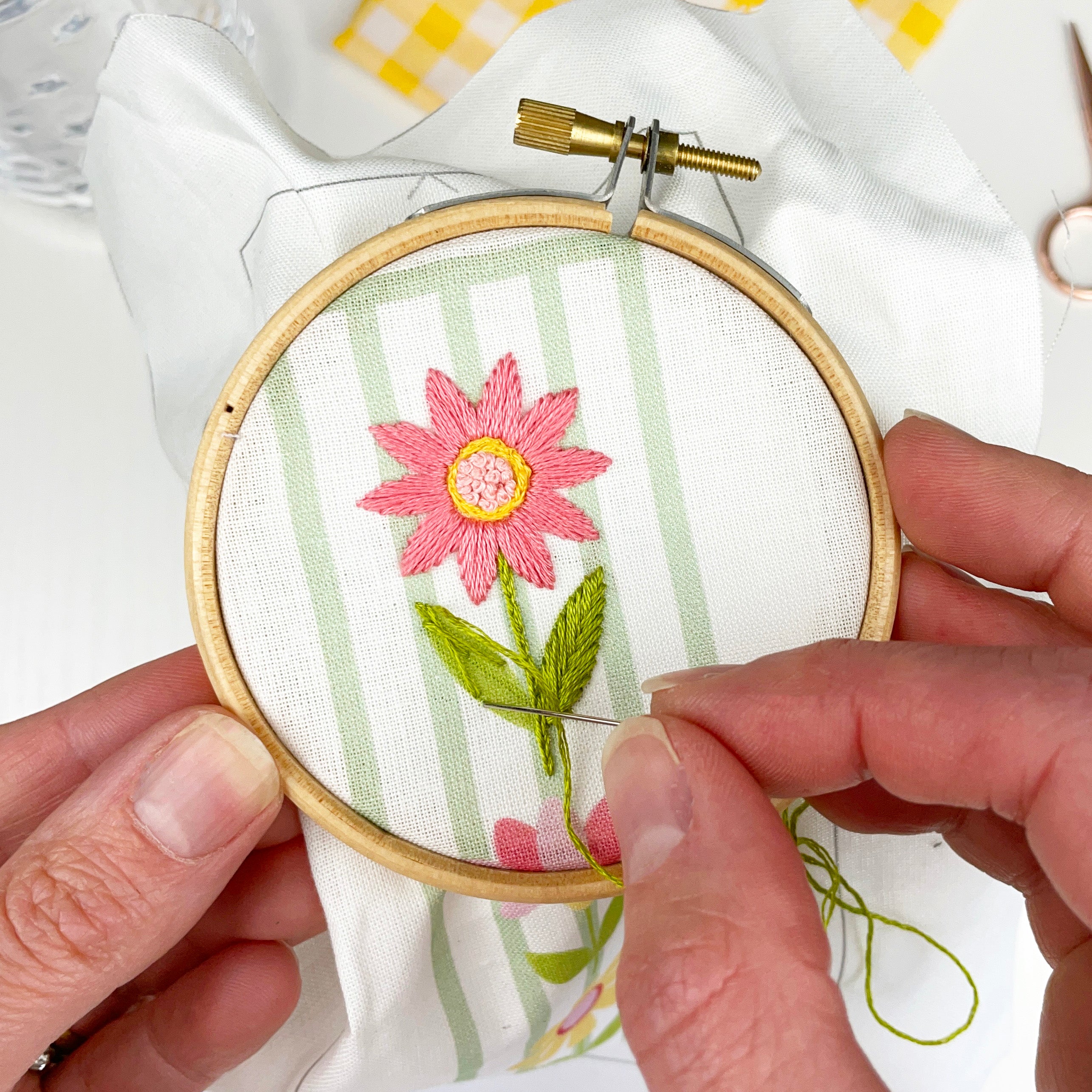
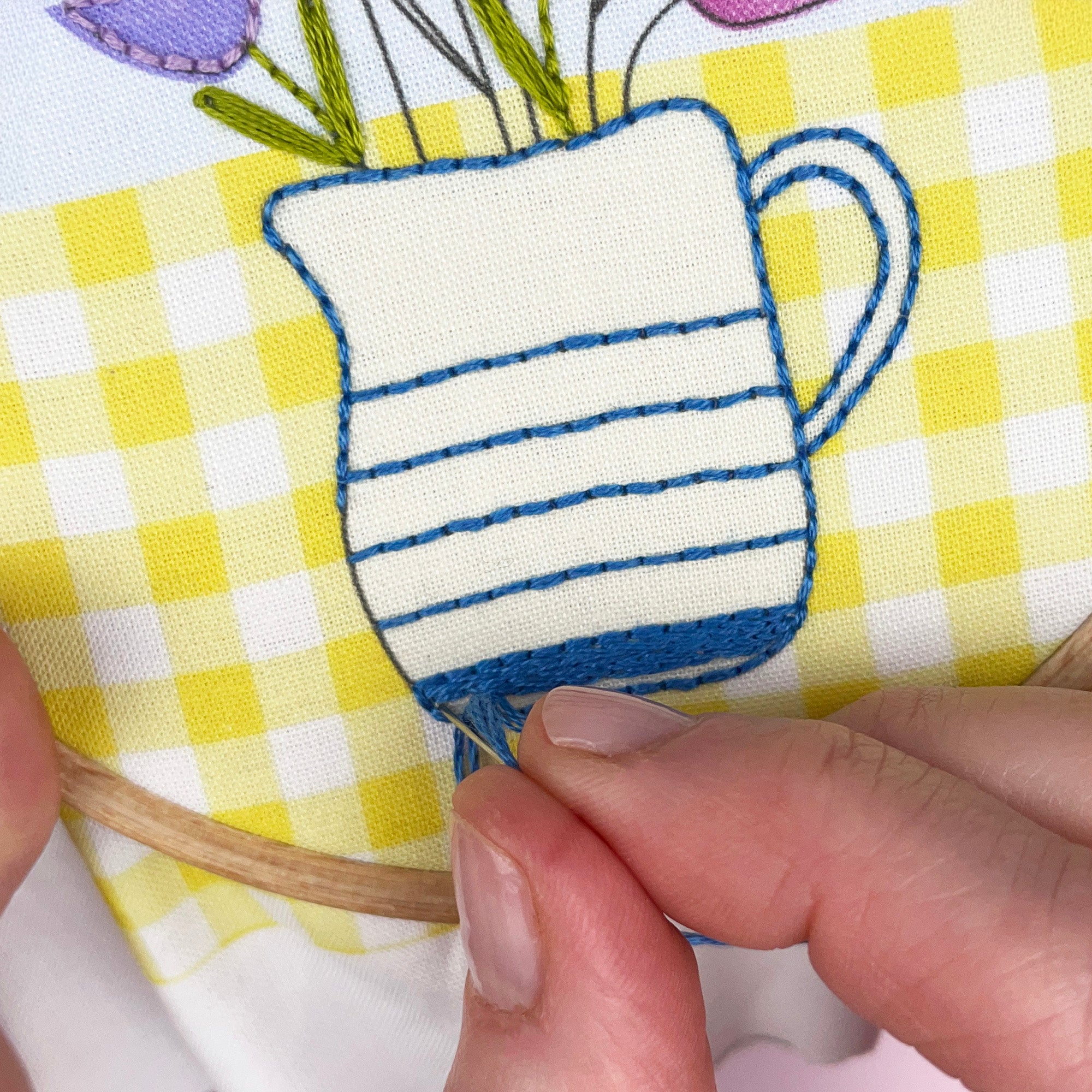
Split stitch is a really useful embroidery stitch for outlines, curves and small filled areas. It creates a soft, slightly textured line by bringing the needle up through the middle of the previous stitch.
It is one of those stitches that looks a little fiddly when you first see it, but once you get into the rhythm it feels very steady. I especially like it when I want a line to look smooth but still have a hand-stitched texture.

How to do split stitch step-by-step
- Bring your needle up at point 1, at the start of your line.
- Take the needle down a short distance ahead at point 2 to make a straight stitch.
- Bring the needle back up through the middle of that first stitch, splitting the thread as you come through.
- Take the needle down again a short distance ahead on the line.
- Bring the needle up through the middle of the stitch you have just made.
- Continue in the same way, splitting each previous stitch to build up a soft, textured line.
Try not to pull the thread too tightly as you split the stitch. A gentle tension helps the thread sit neatly and keeps the line from looking too thin or pinched.
What is split stitch used for?
Split stitch is often used for outlines, lettering, borders and curved details. It gives a softer finish than back stitch, with a little more texture on the surface of the fabric.
You can also use split stitch as a filling stitch by working rows close together. This is useful for small areas where you want a filled shape that still looks textured and handmade, rather than completely smooth like satin stitch.
Practise split stitch with a beginner-friendly kit
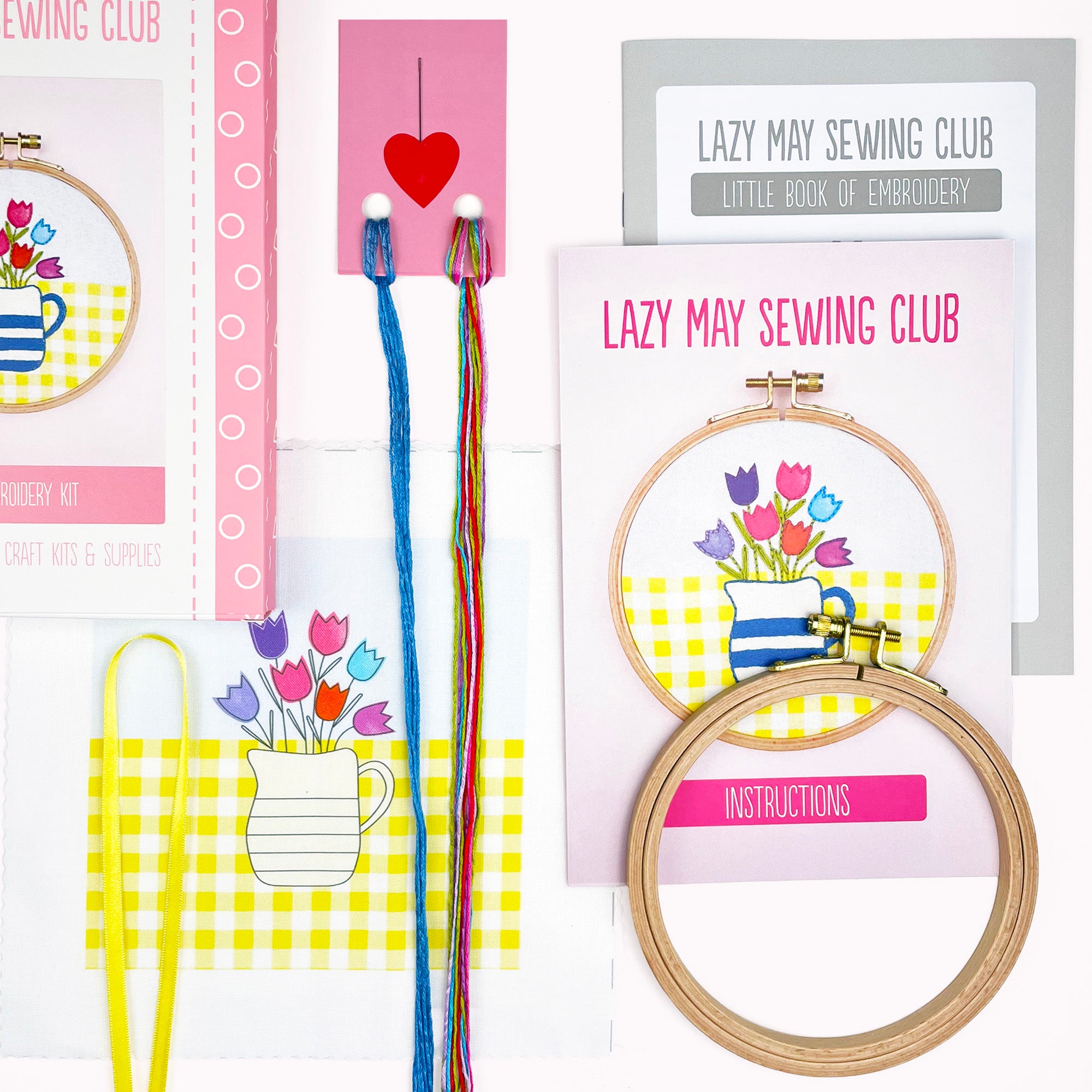
Split stitch can be used for soft outlines, textured details and small filled areas. These complete embroidery kits all include split stitch, along with printed fabric, threads, a hoop, needle and clear instructions to help you enjoy the project from start to finish.

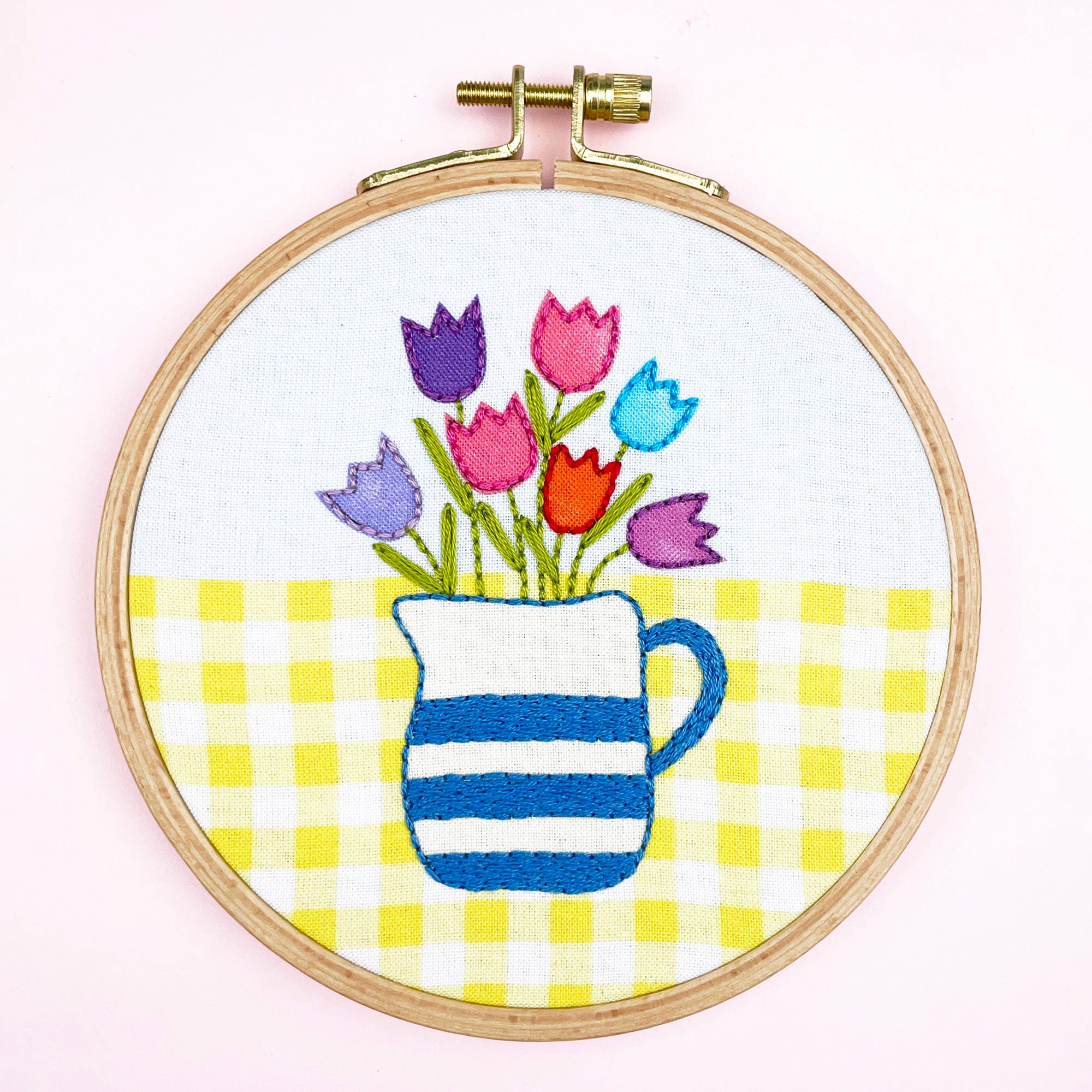
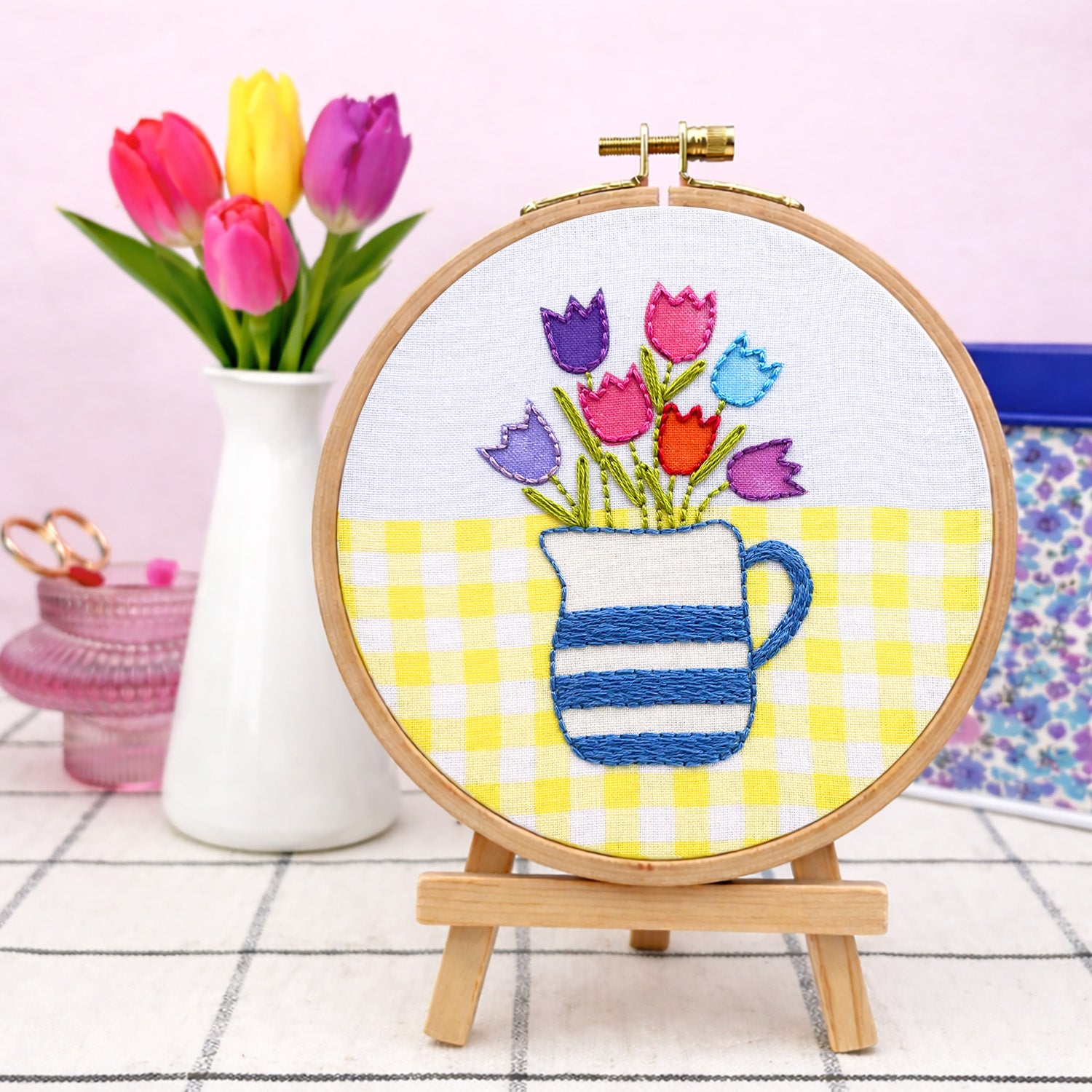
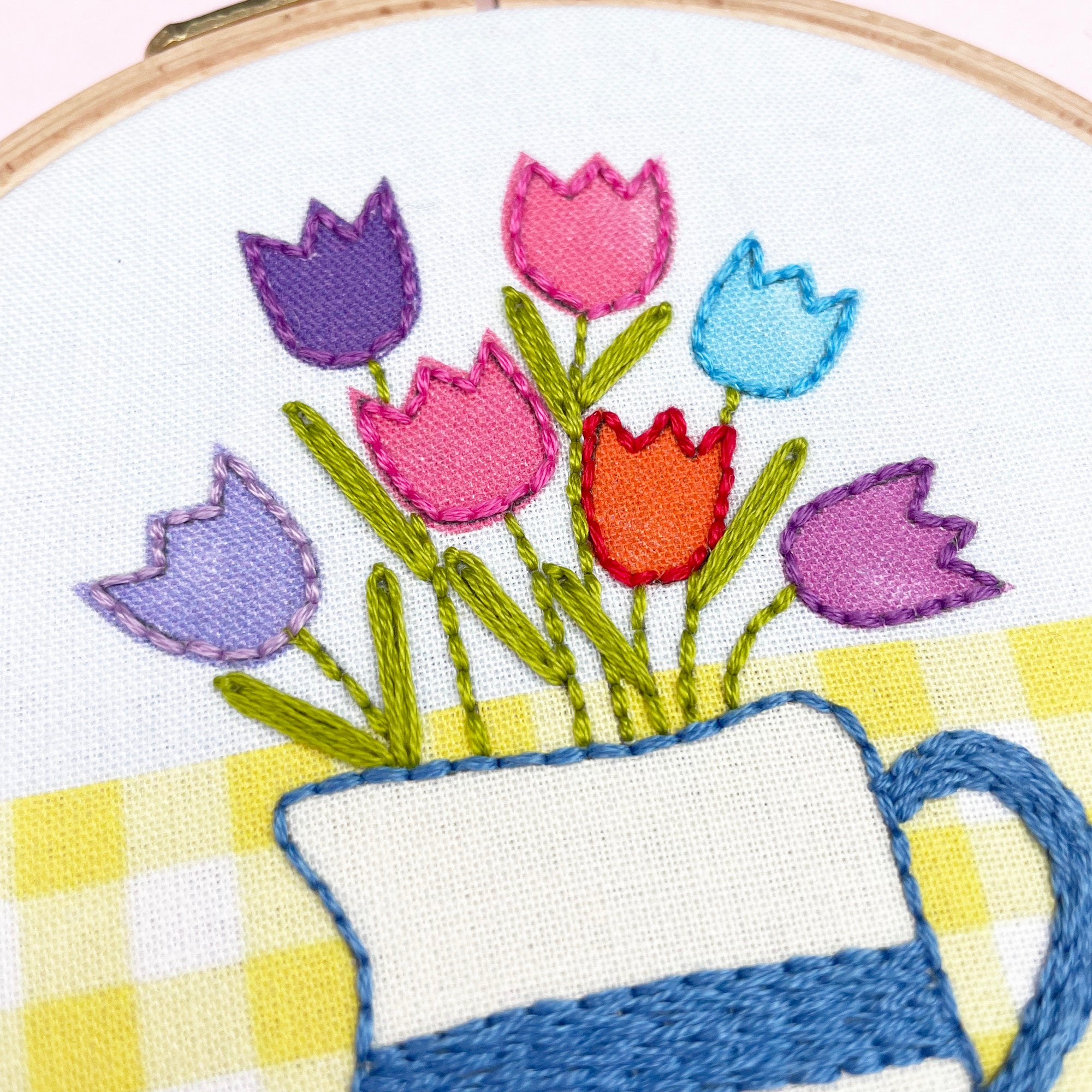
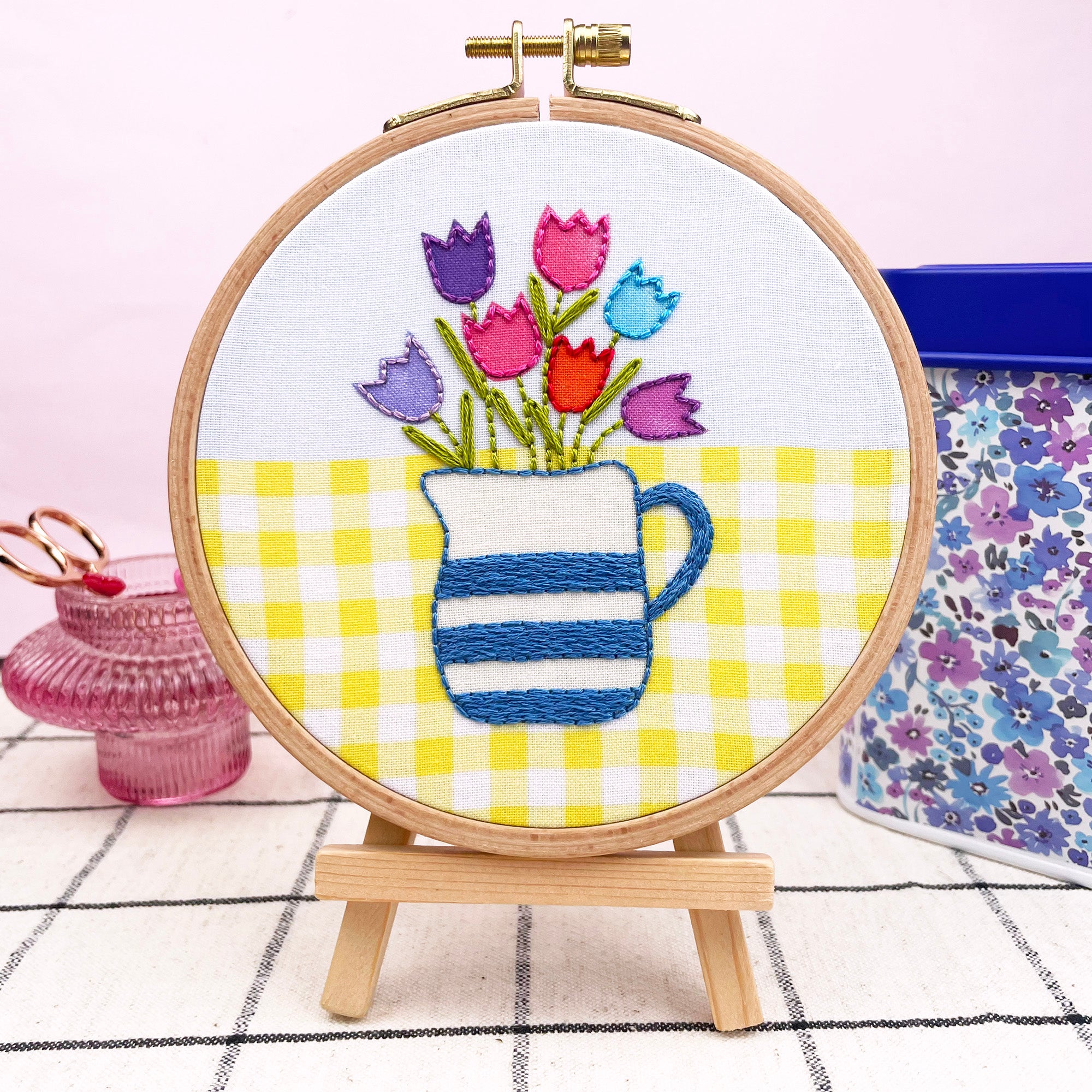
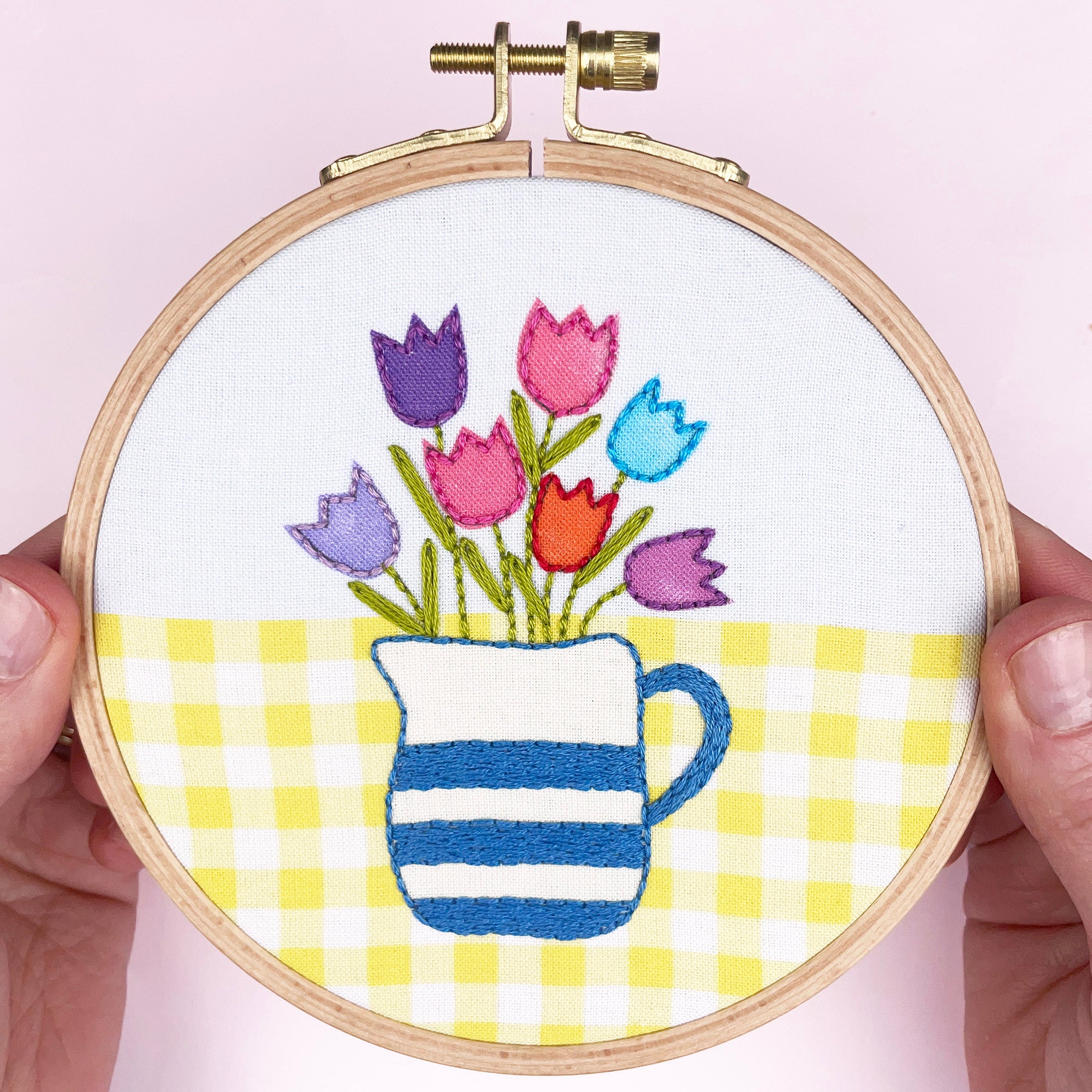
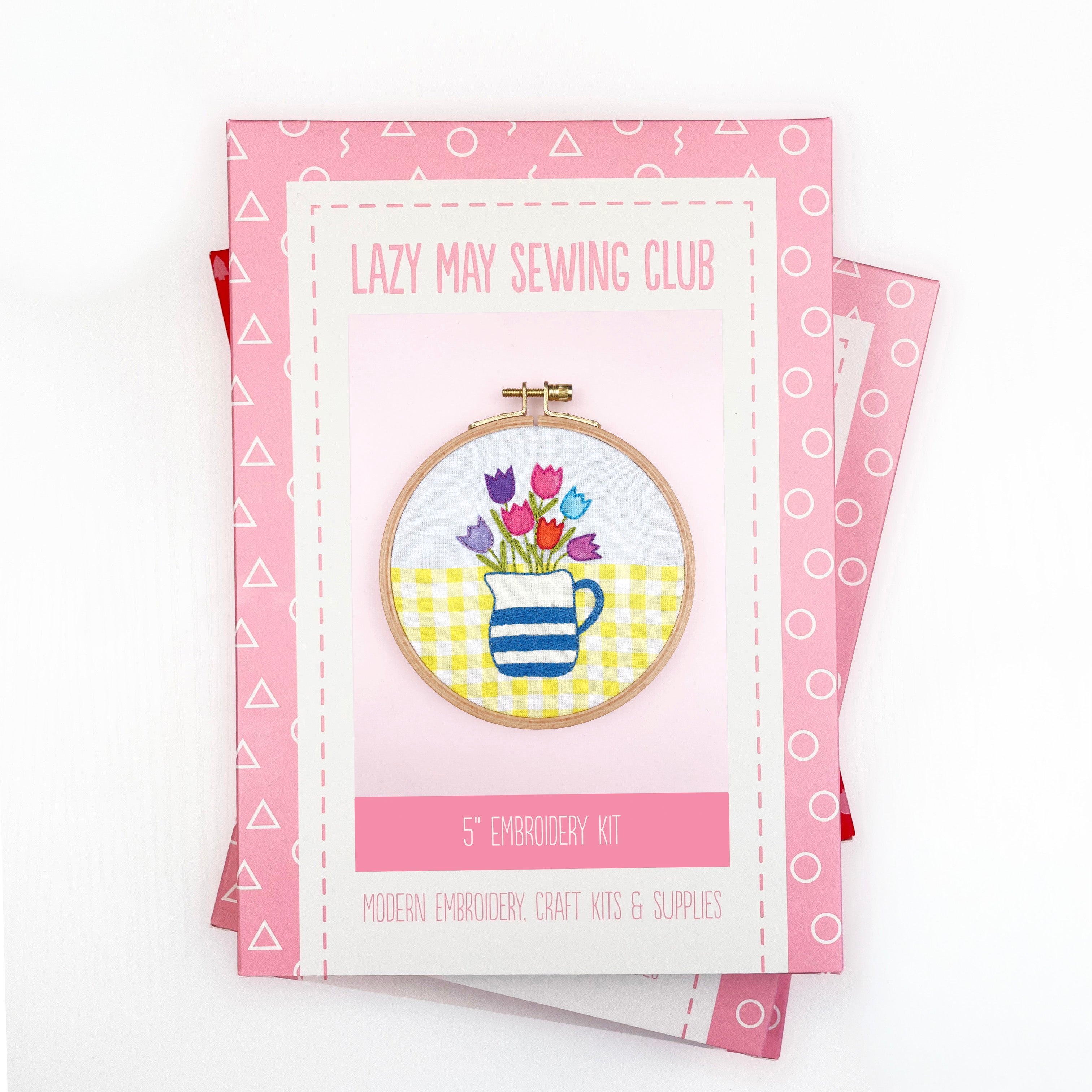
Kitchen Table Flowers Embroidery Kit
A colourful beginner-friendly kit featuring simple tulips in a striped jug. It is a calm, satisfying project with split stitch used to build up the textured filling on the jug.
Shop Kitchen Table Flowers
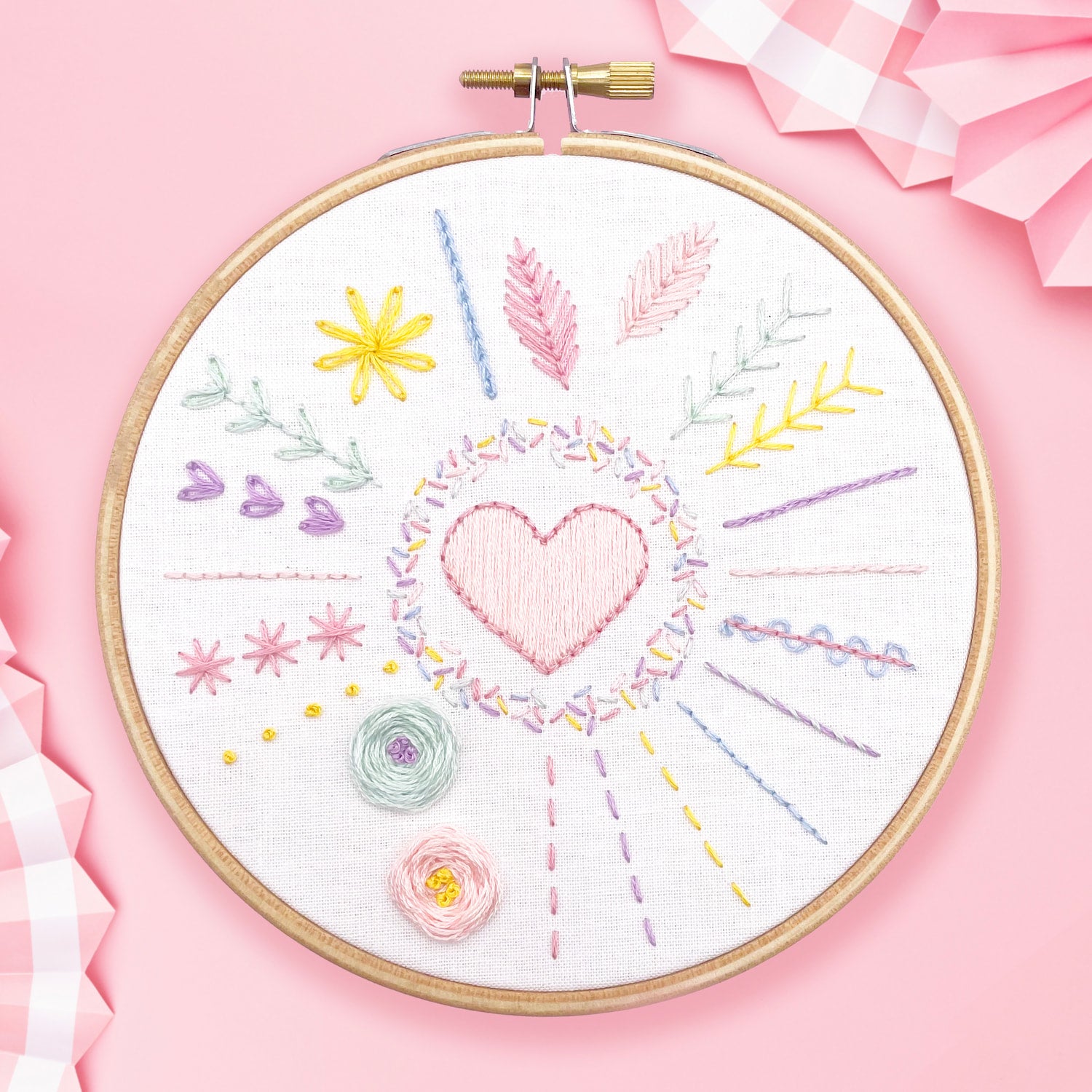
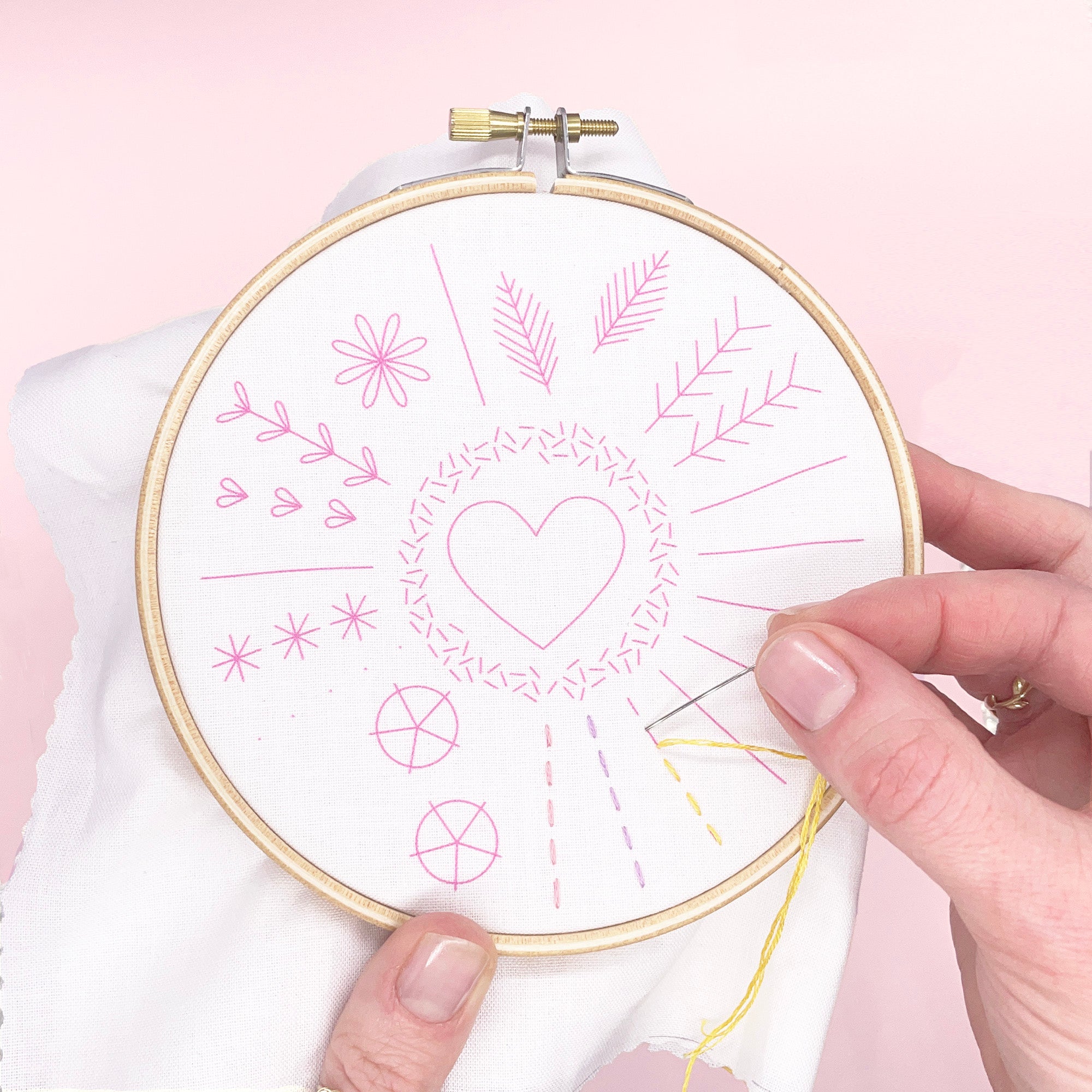
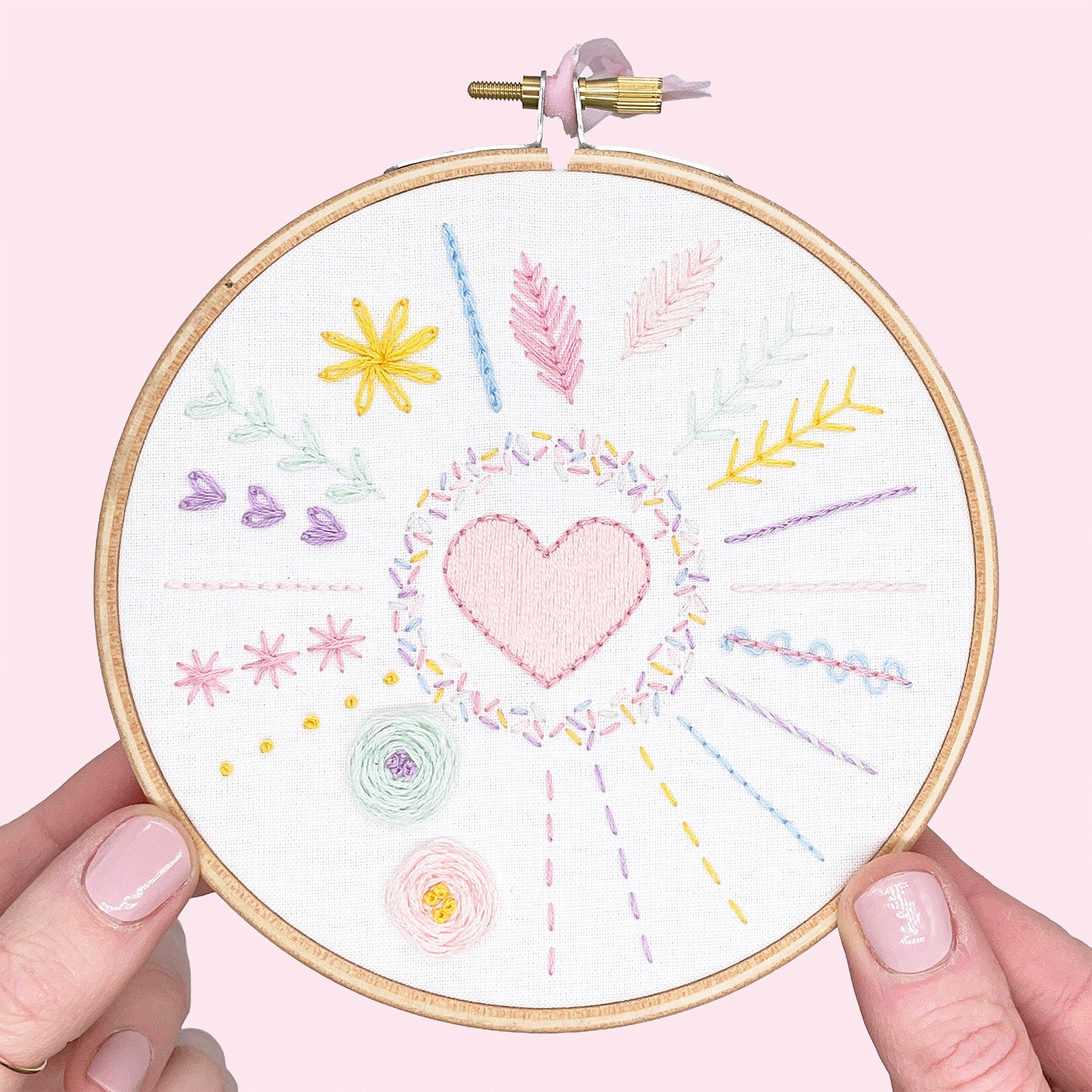
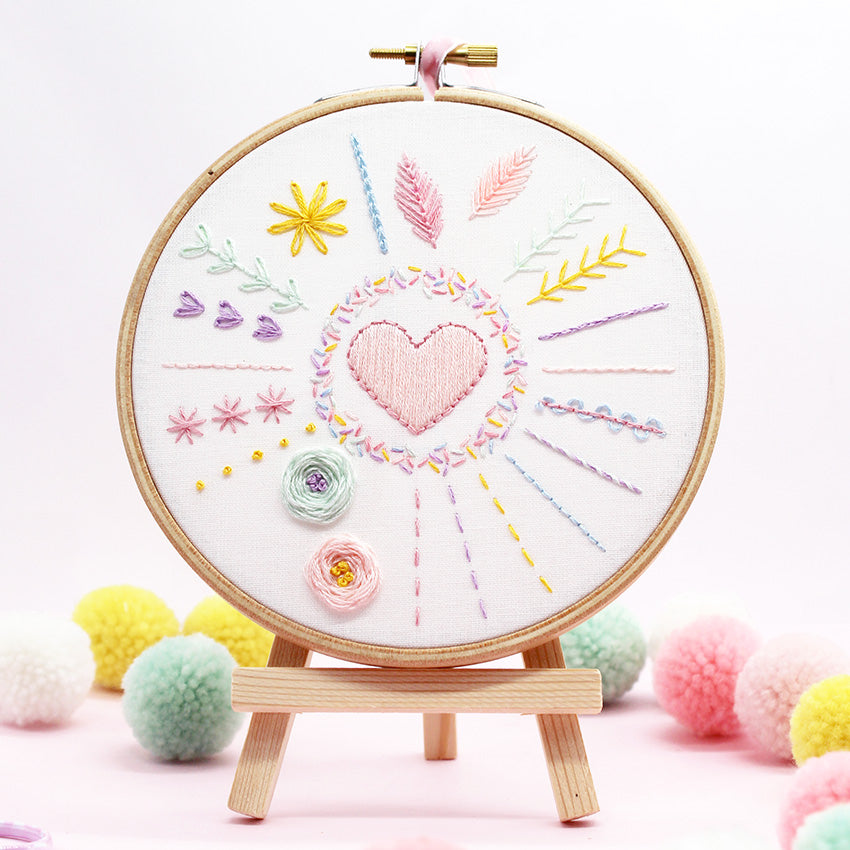
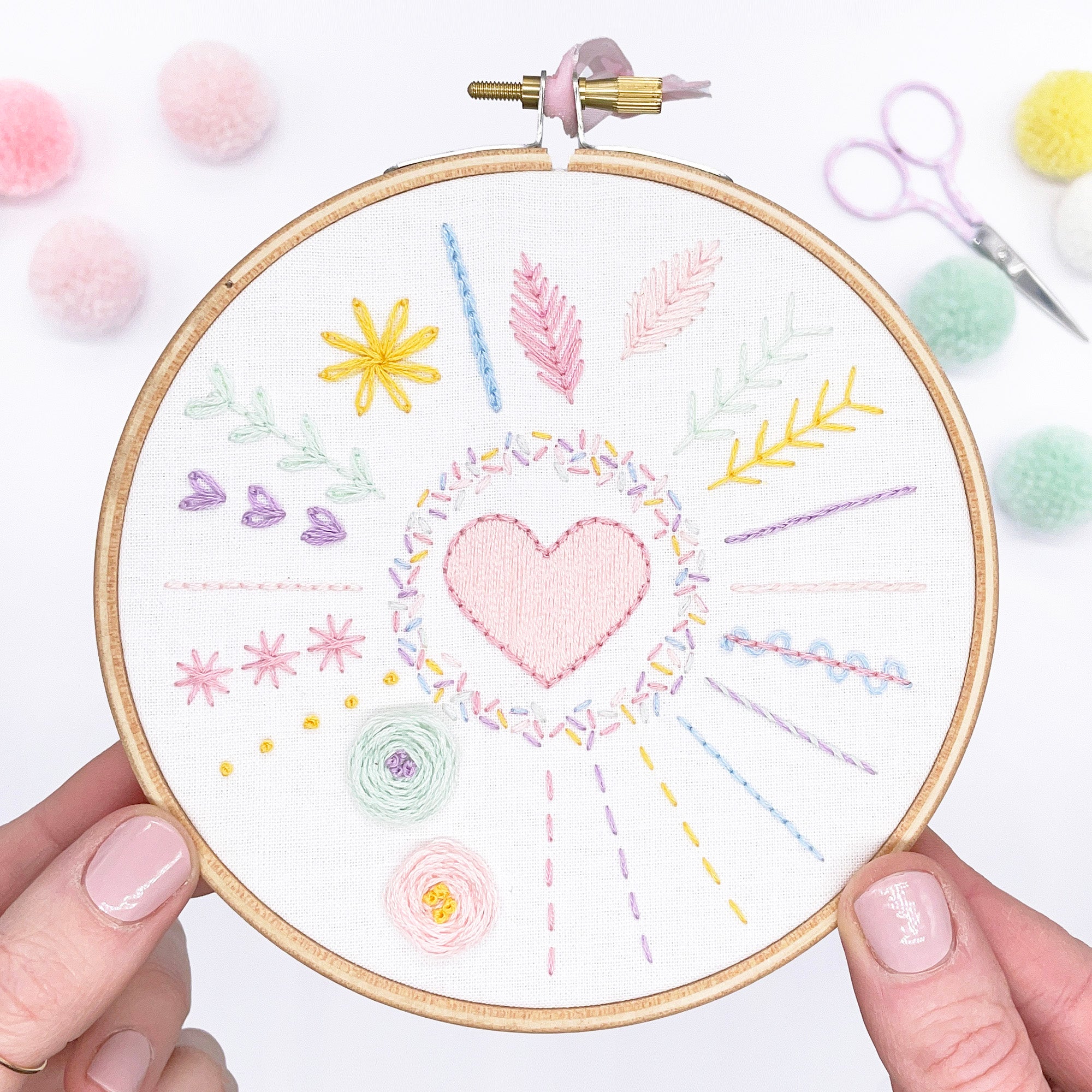
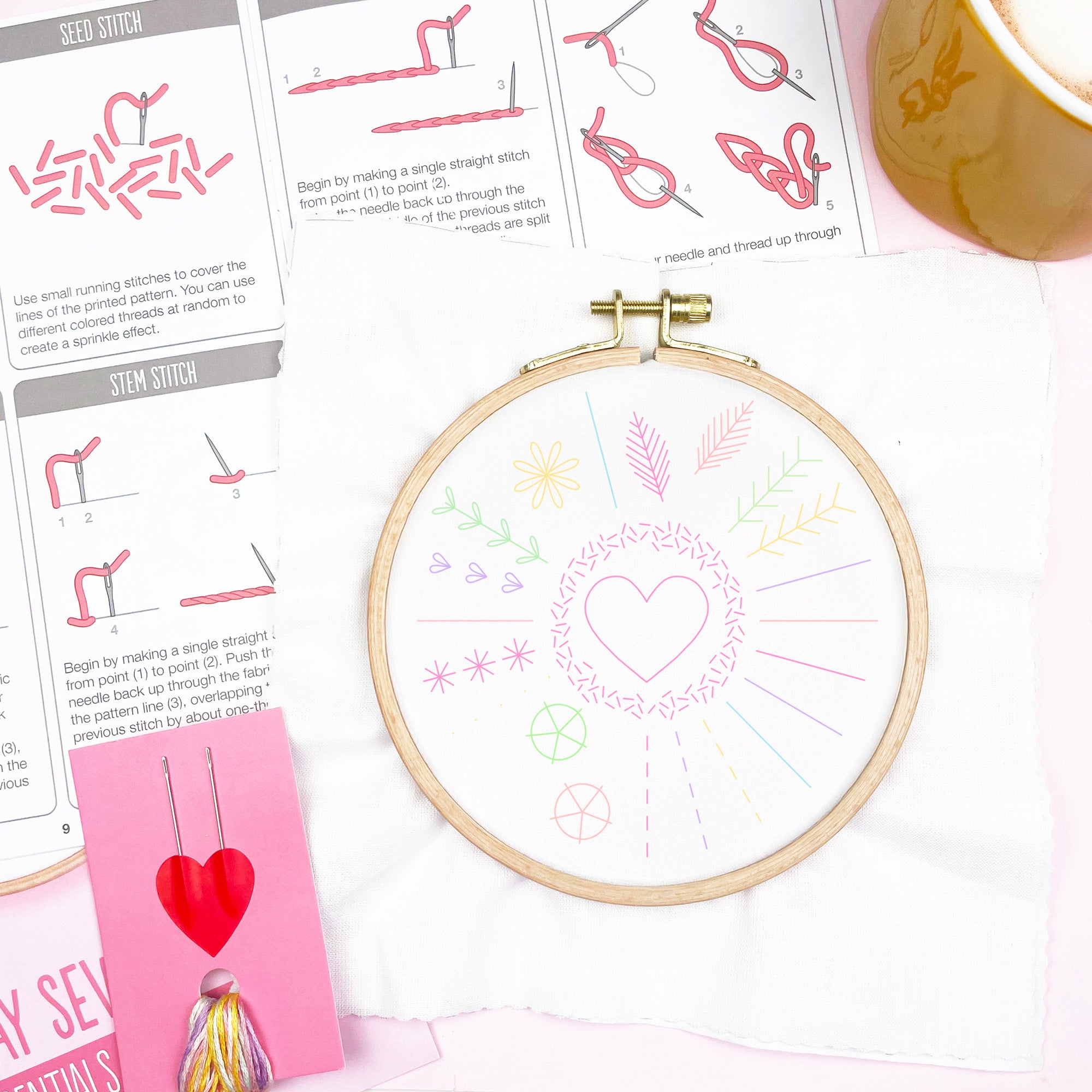
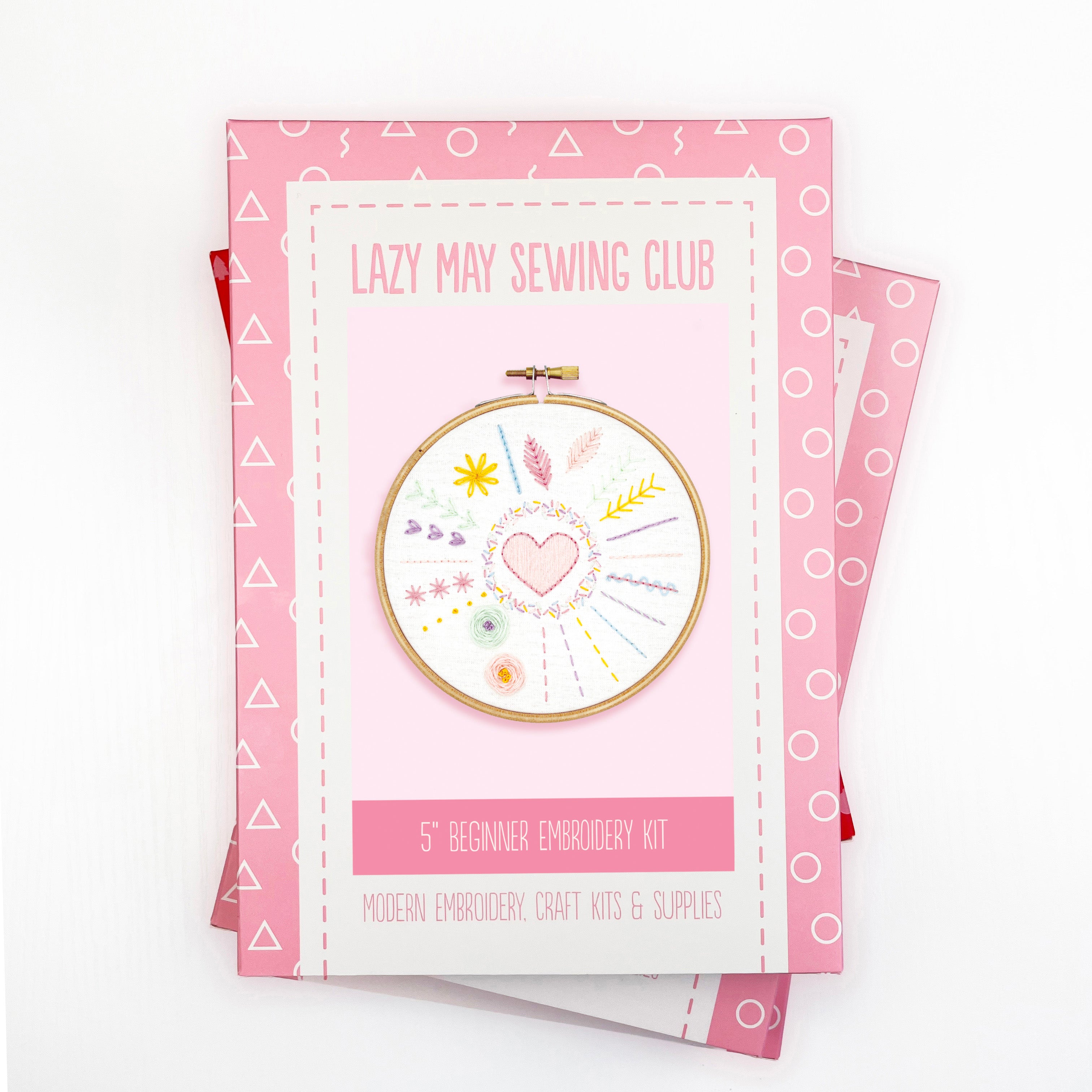
Beginner Stitch Sampler Embroidery Kit
Learn 13 essential embroidery stitches at your own pace with a calm pastel sampler design. It is ideal for complete beginners and includes a clear section for practising split stitch.
Shop the sampler kit
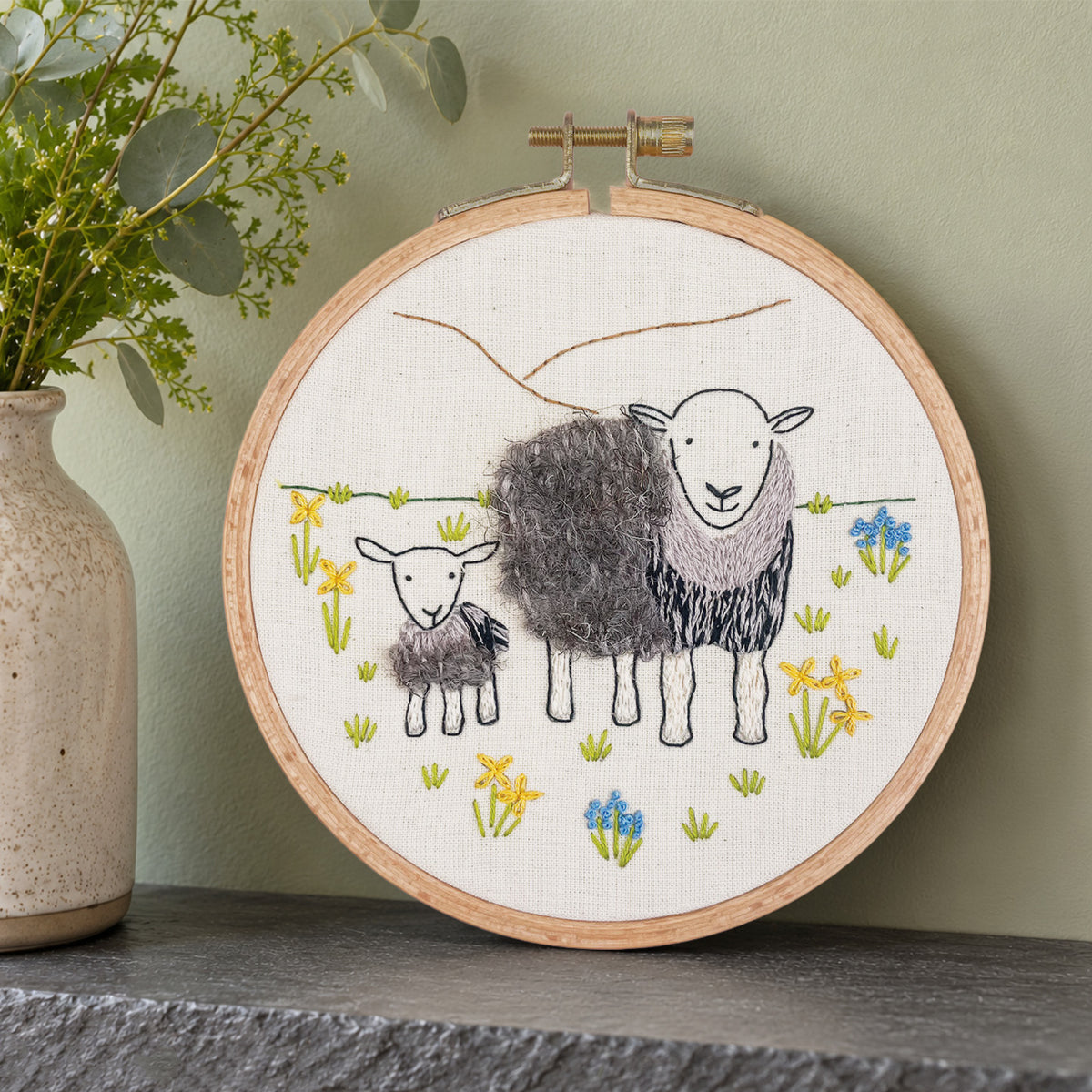
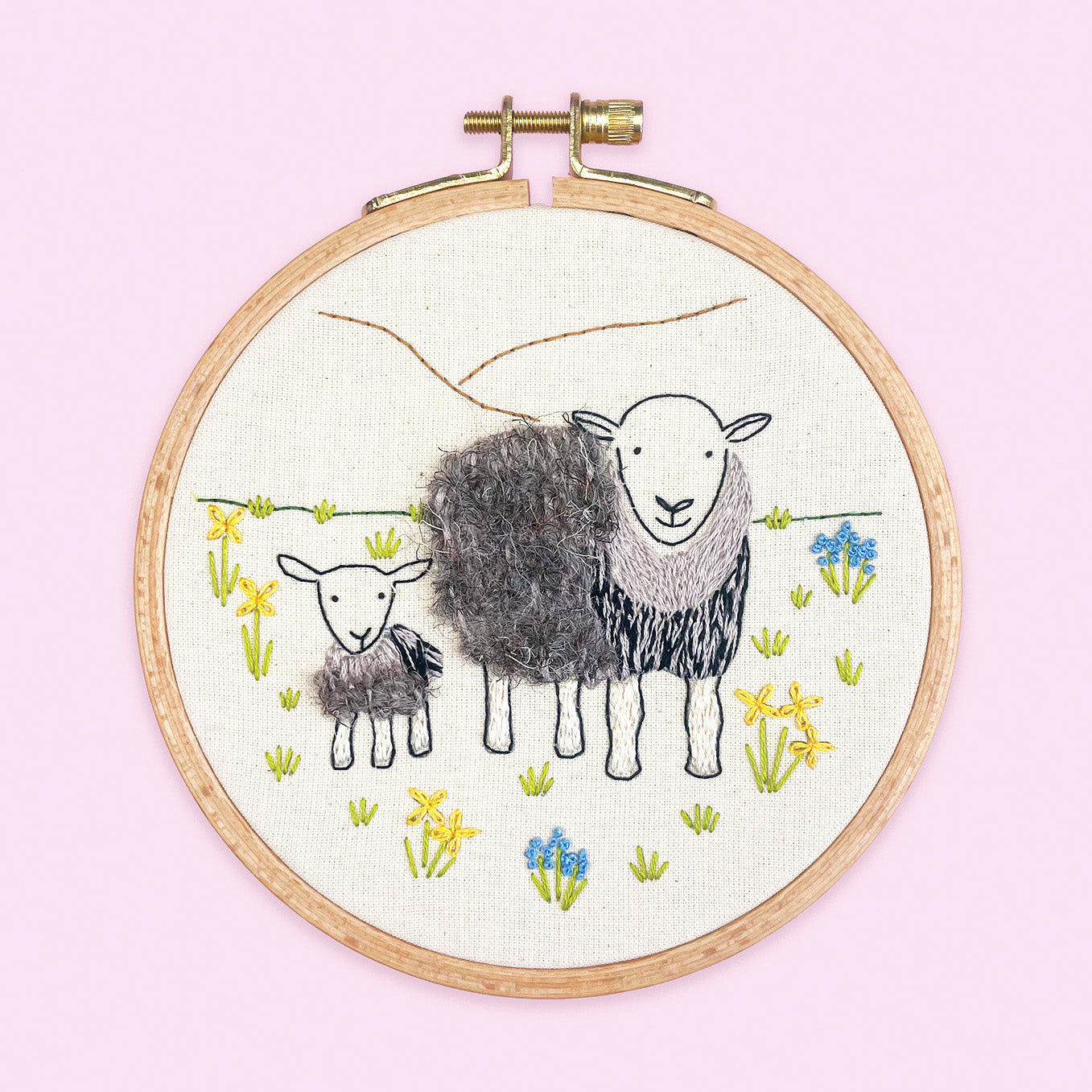
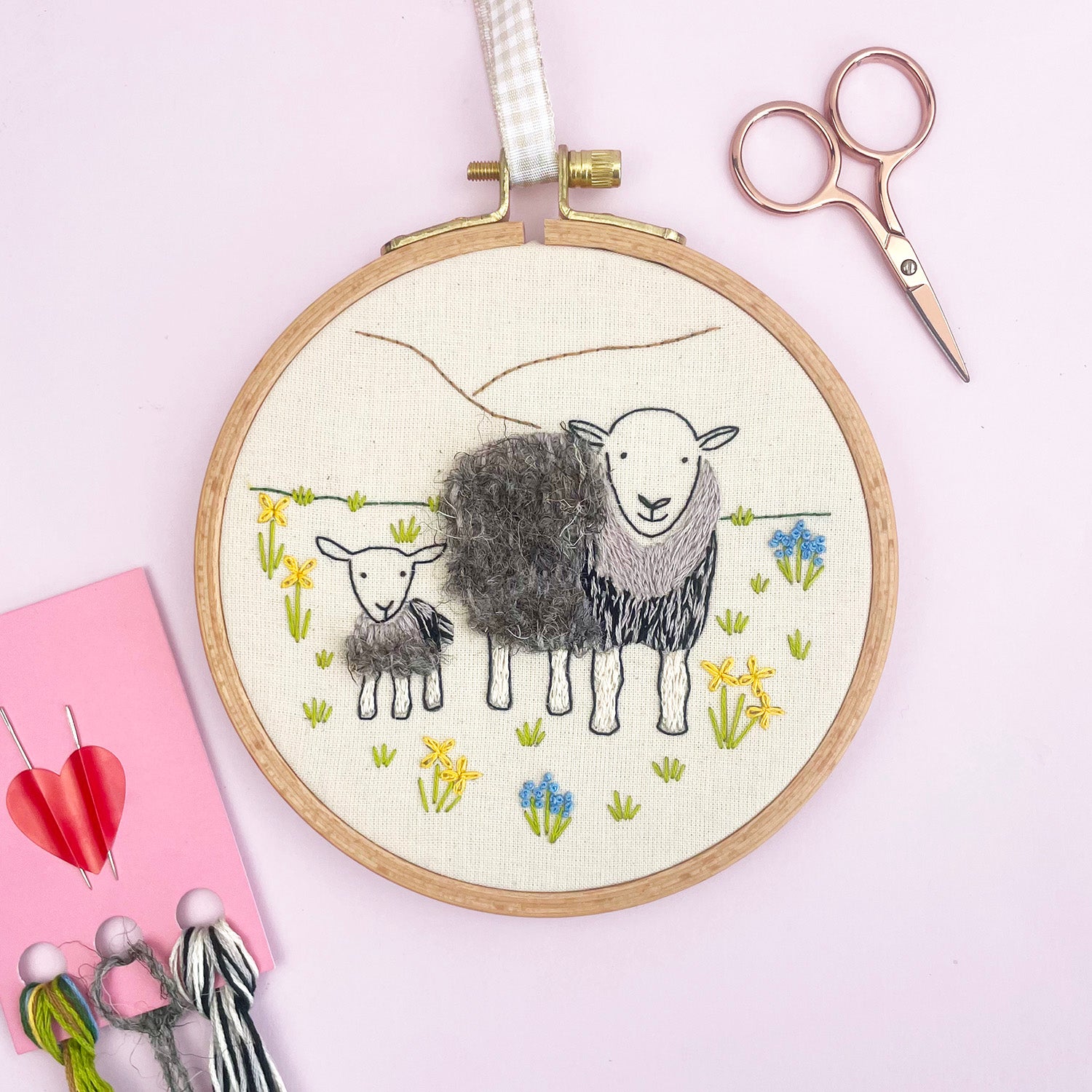
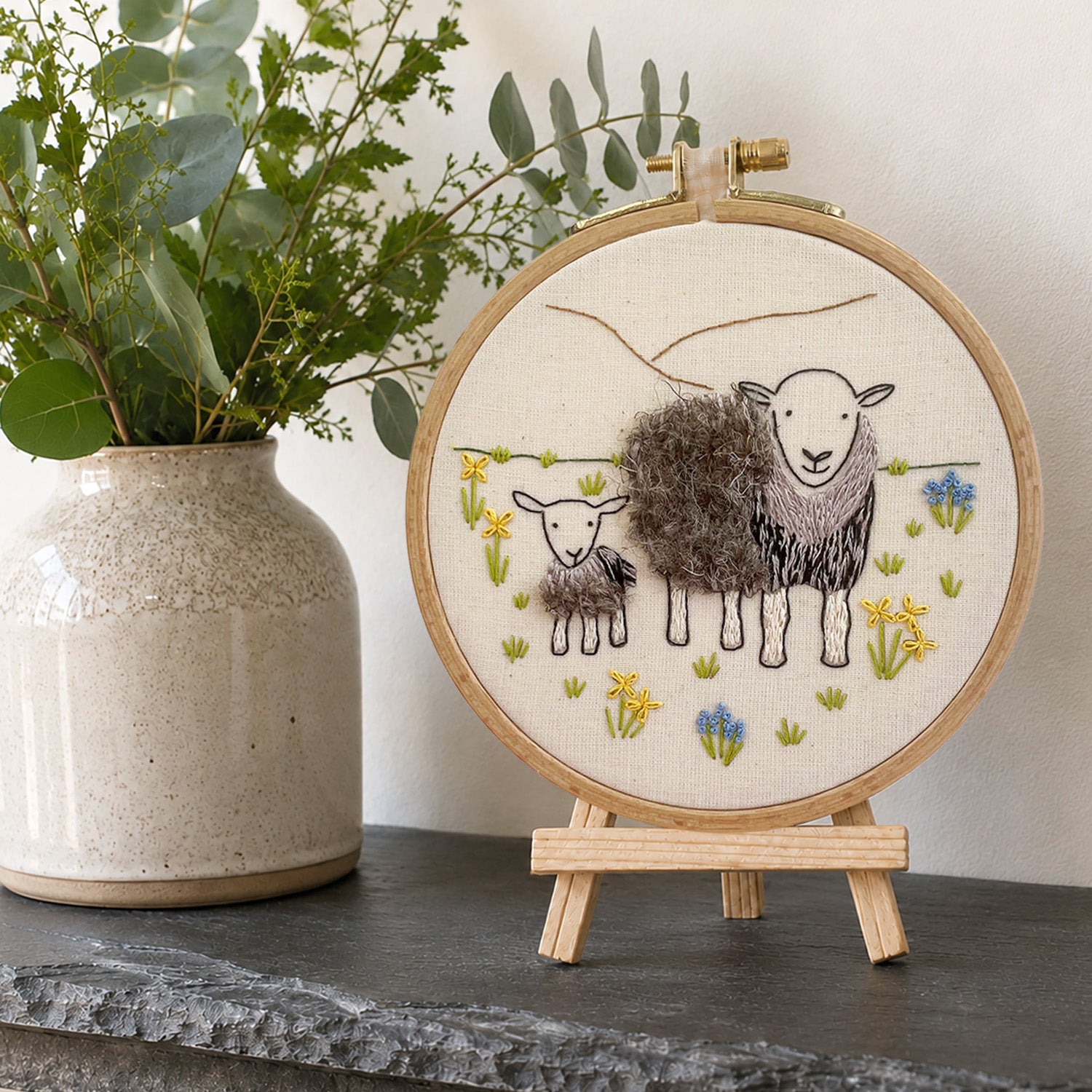
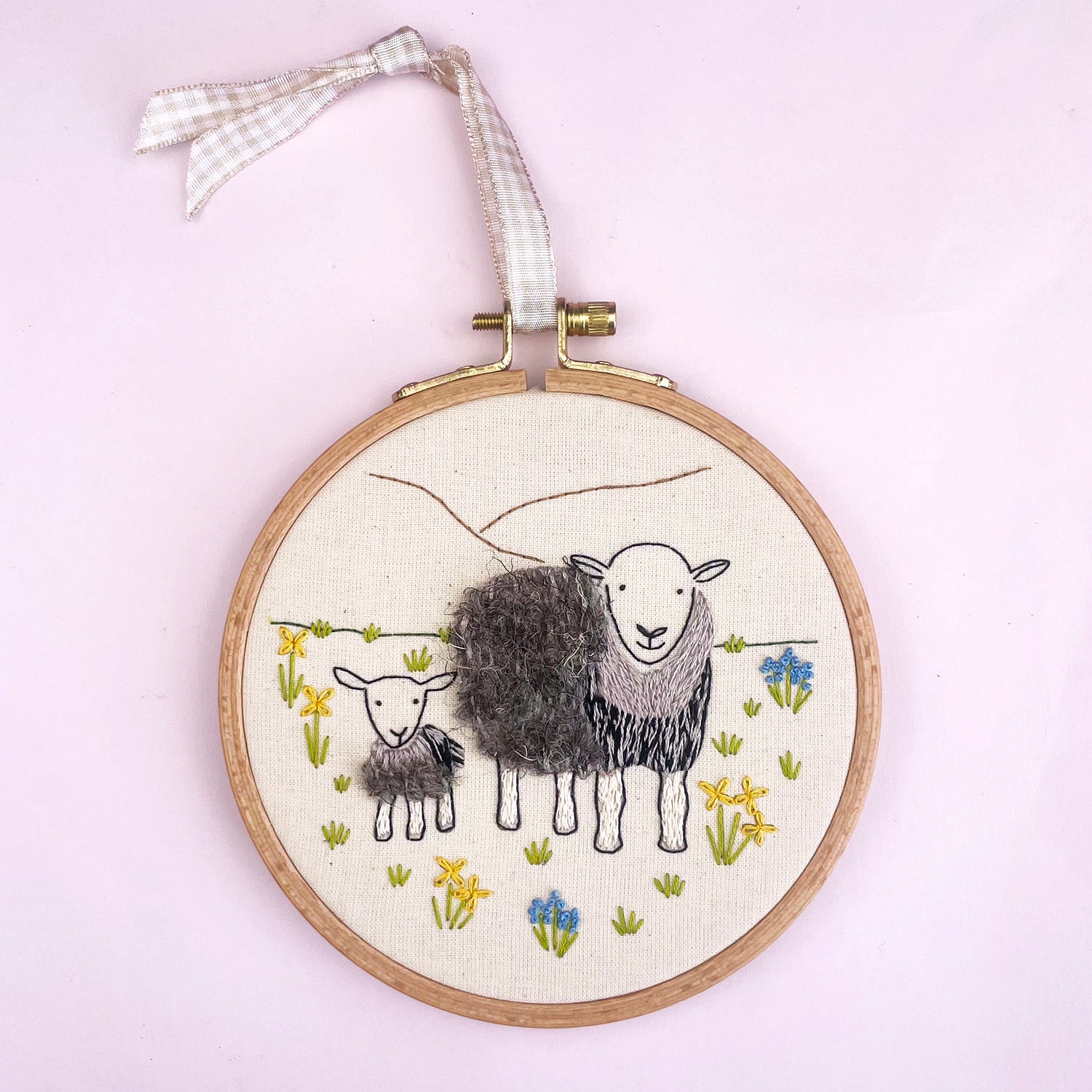
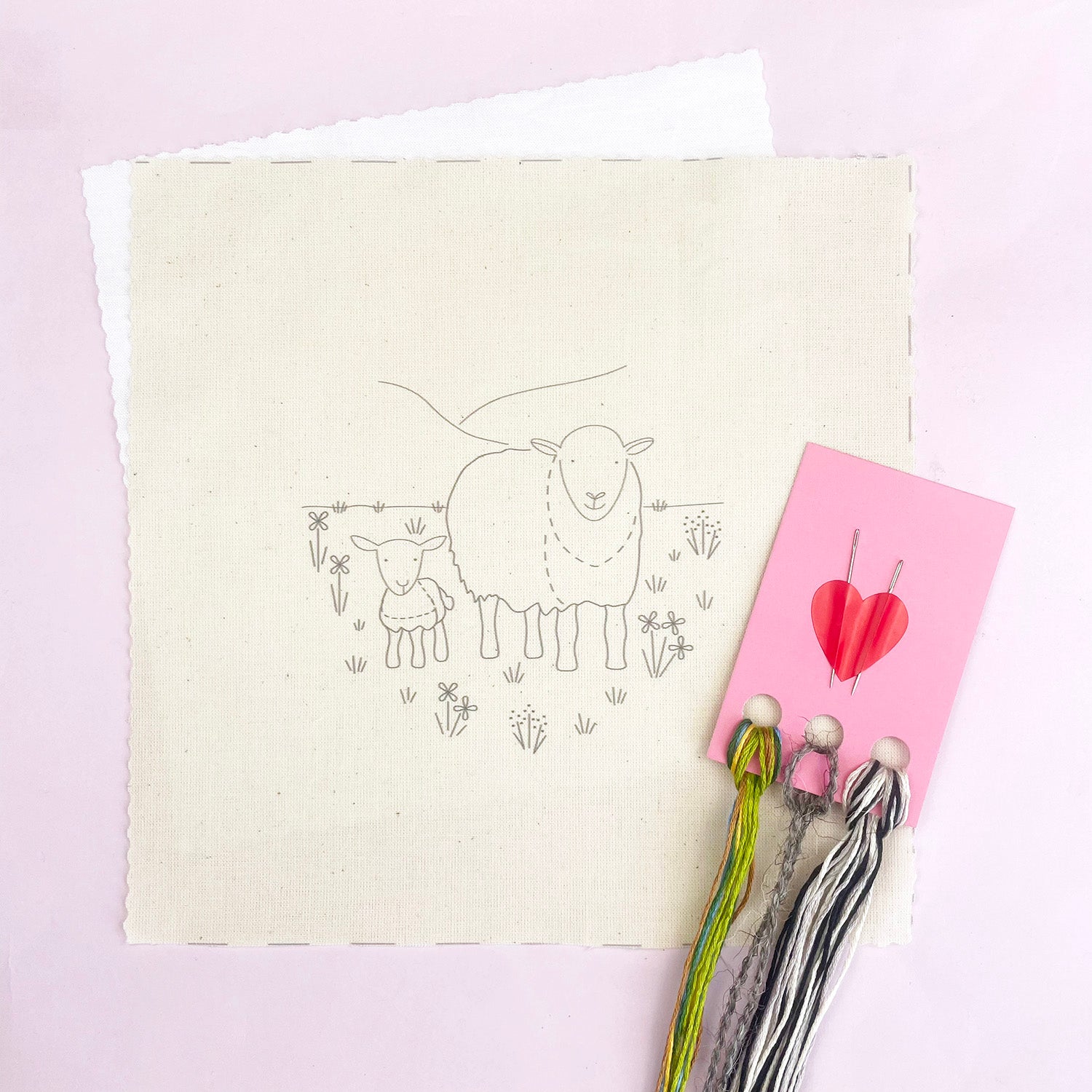
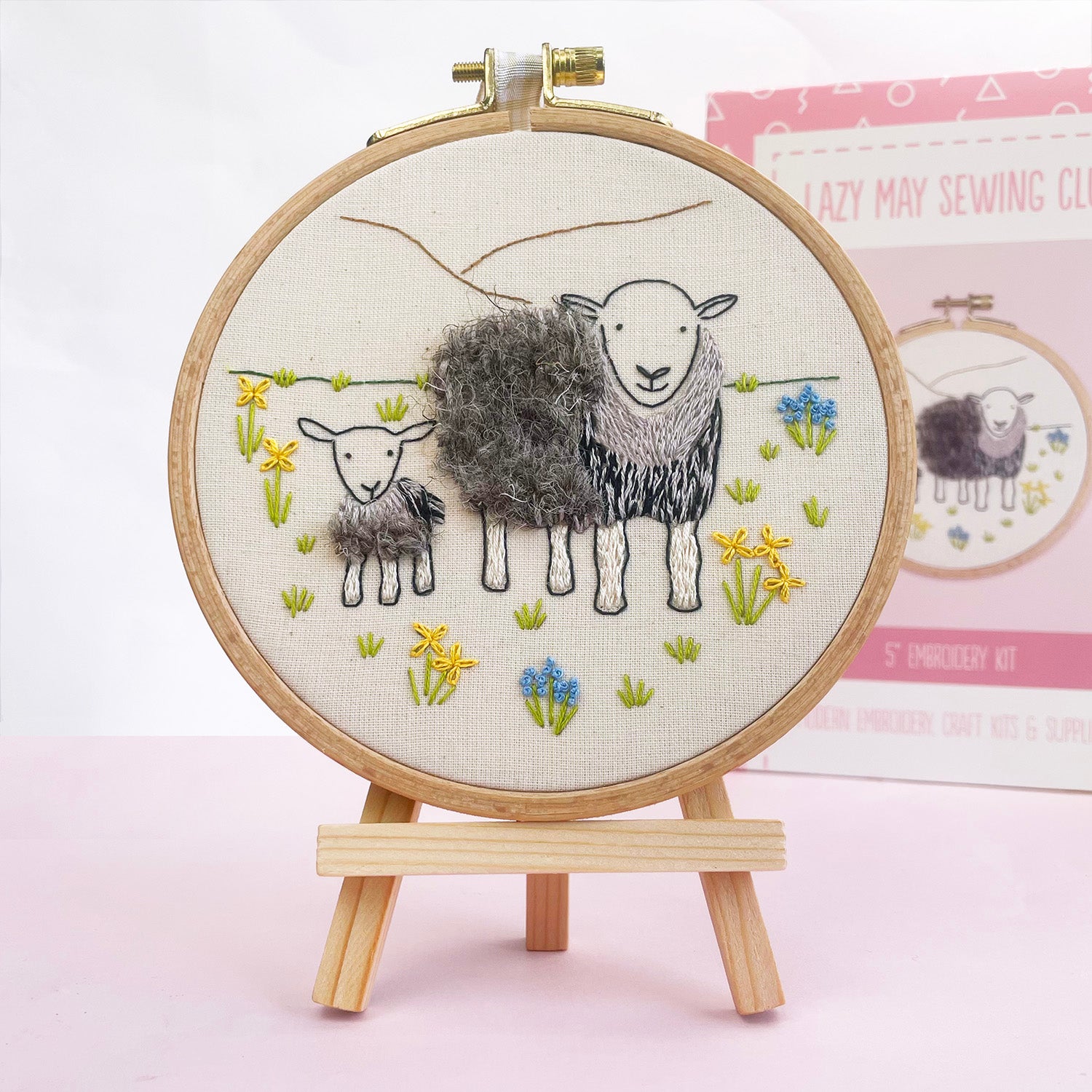
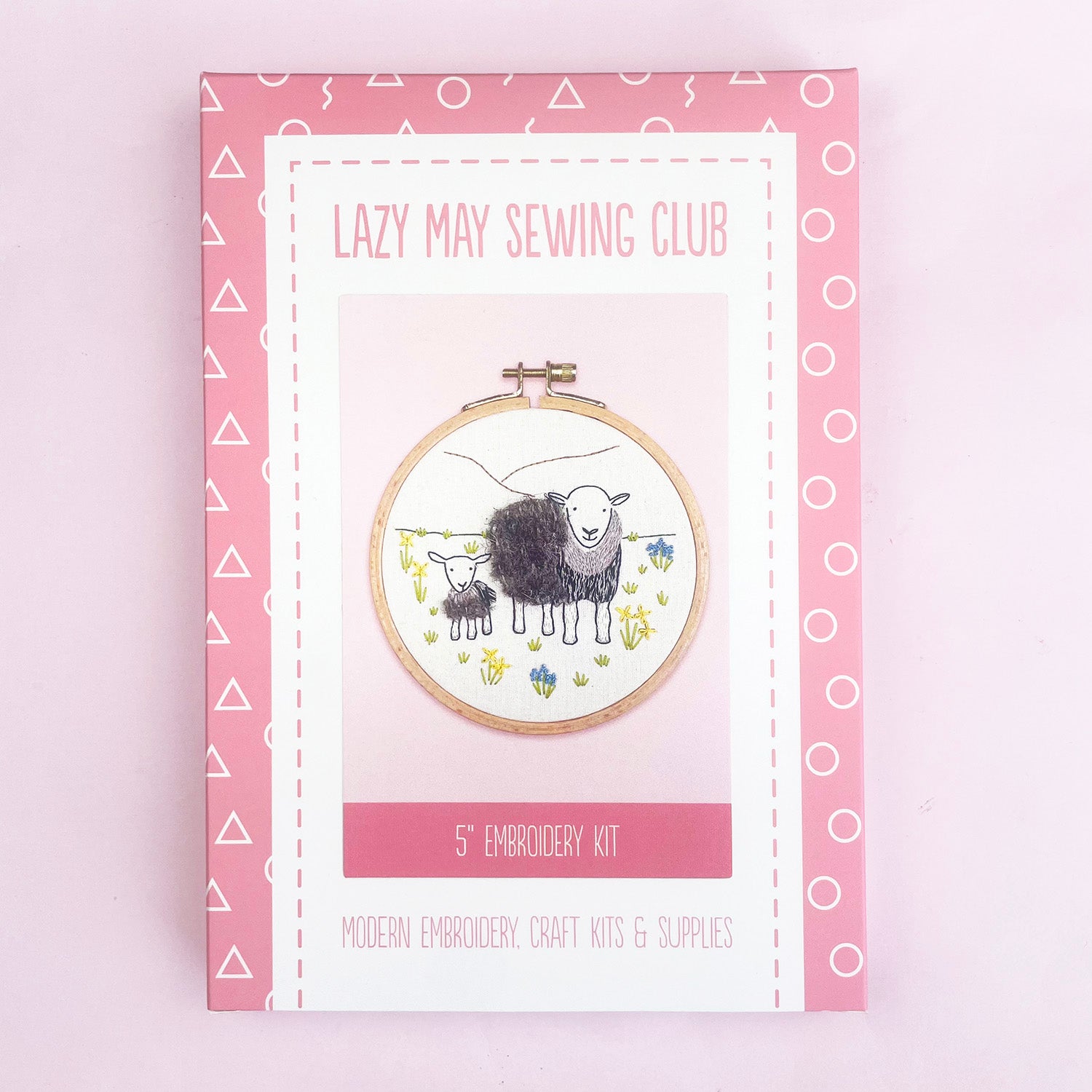
Lake District Herdwick Sheep Embroidery Kit
Stitch a Herdwick ewe and lamb surrounded by simple wildflowers, using real Herdwick wool to add natural texture. This beginner-friendly design includes split stitch among its easy embroidery techniques.
Shop the Herdwick Sheep kitTips for split stitch
- Use an even number of strands if you want the stitch to split neatly.
- Keep your stitches fairly short for curves, lettering and small details.
- Bring the needle up through the centre of the previous stitch, not beside it.
- Work rows close together if you want to use split stitch as a filling stitch.
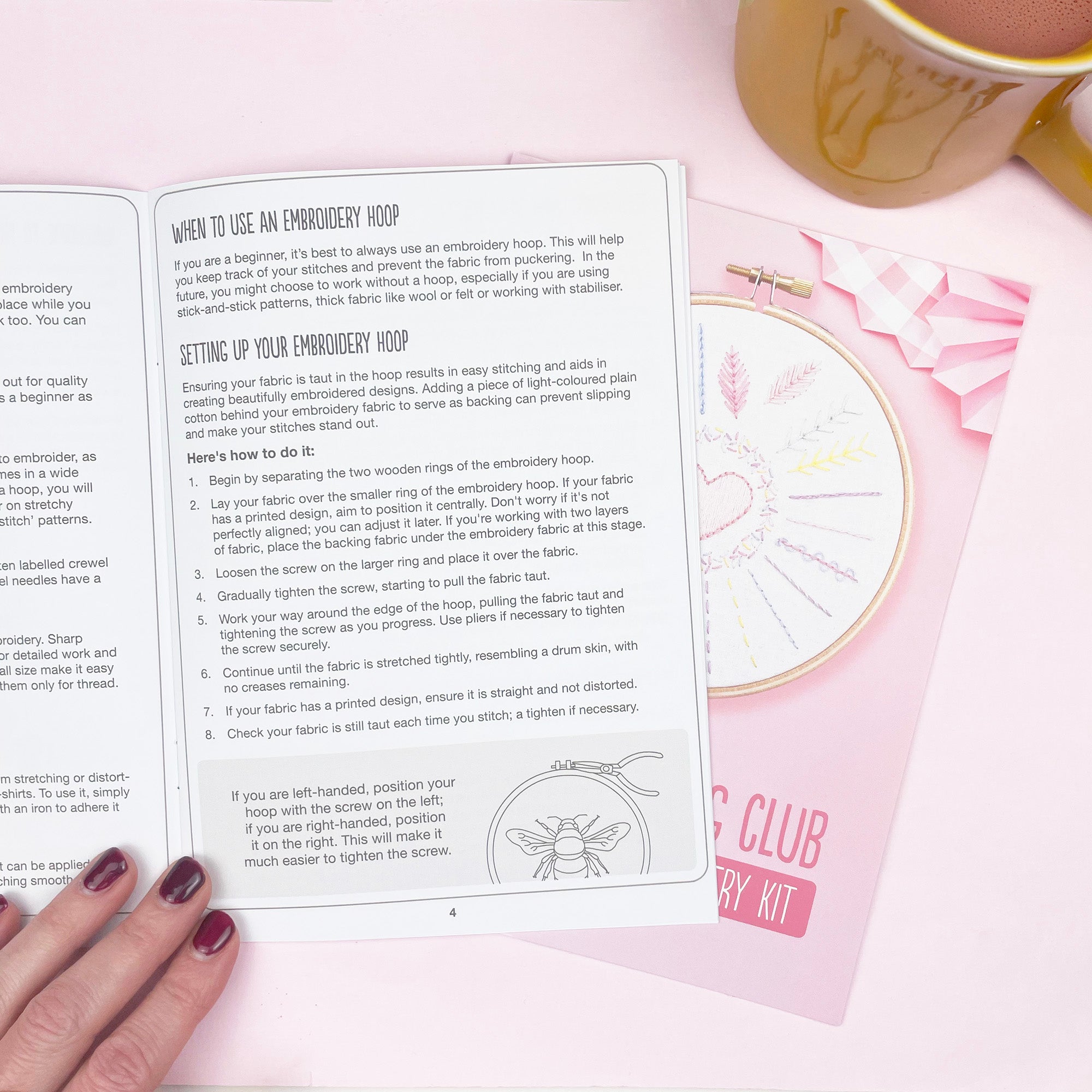
- Use an embroidery hoop to keep the fabric taut and help your stitches sit evenly.