How to do satin stitch
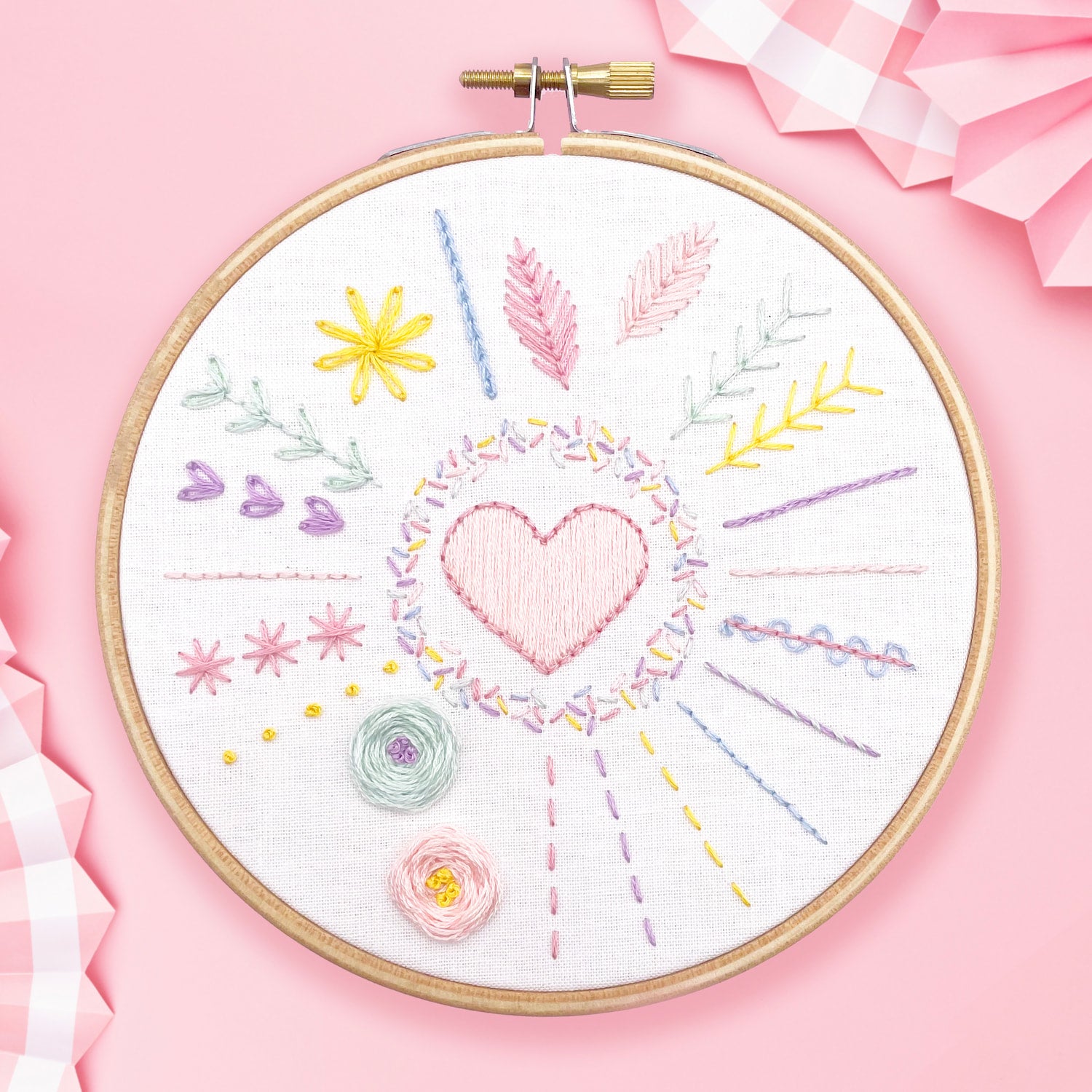
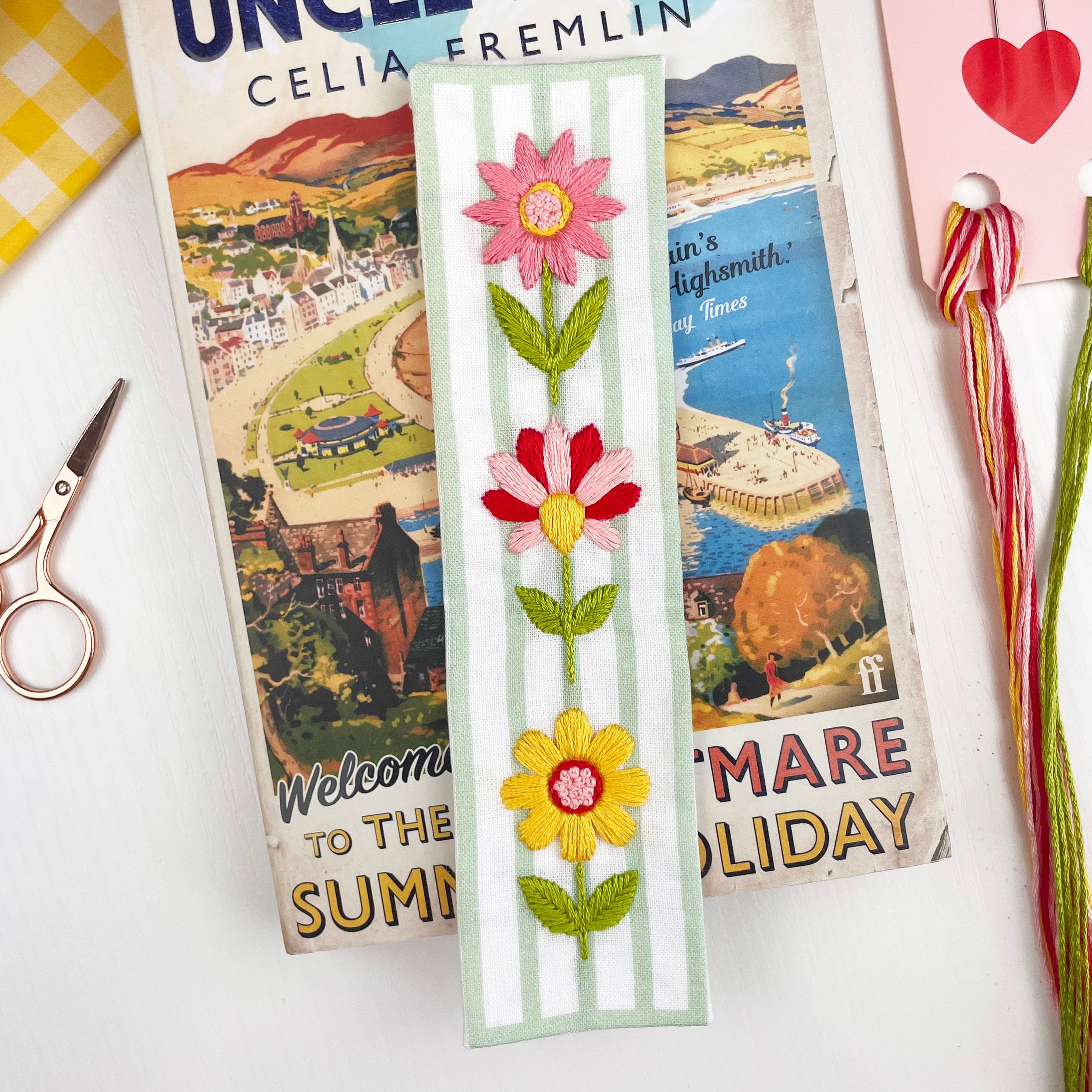
Satin stitch is a classic embroidery stitch for filling small shapes with smooth, solid colour. It is often used for flower petals, leaves, lettering, little motifs and anywhere you want a neat, polished finish.
It is simple in theory, but it is worth taking your time with it. The tidiest satin stitch usually comes from keeping your stitches close together, your fabric nice and taut, and your thread tension gentle.

How to do satin stitch step-by-step
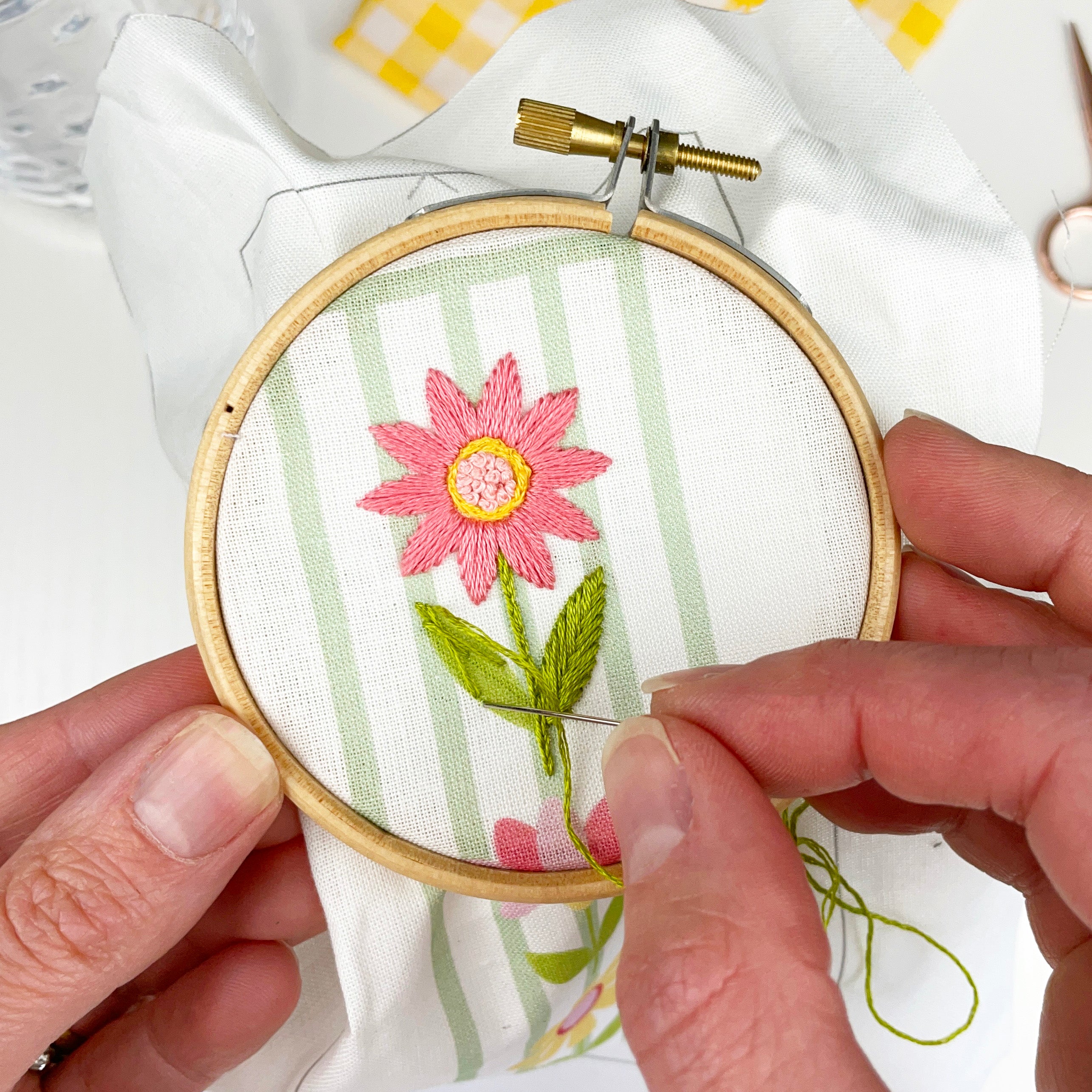
- Bring your needle up at point 1, on one edge of the shape you want to fill.
- Take the needle down at point 2, on the opposite edge of the shape, to make one straight stitch across the space.
- Bring the needle back up close to your first stitch, keeping the stitches side by side.
- Continue working across the shape, placing each stitch close enough that the fabric does not show through.
- For larger shapes, add a few guide stitches first to help keep the direction of your stitches even.
- Fill the whole shape, then secure your thread neatly on the back.
As you stitch, try not to pull the thread too tightly. Satin stitch should sit smoothly on the surface of the fabric rather than sinking into it.
What is satin stitch used for?
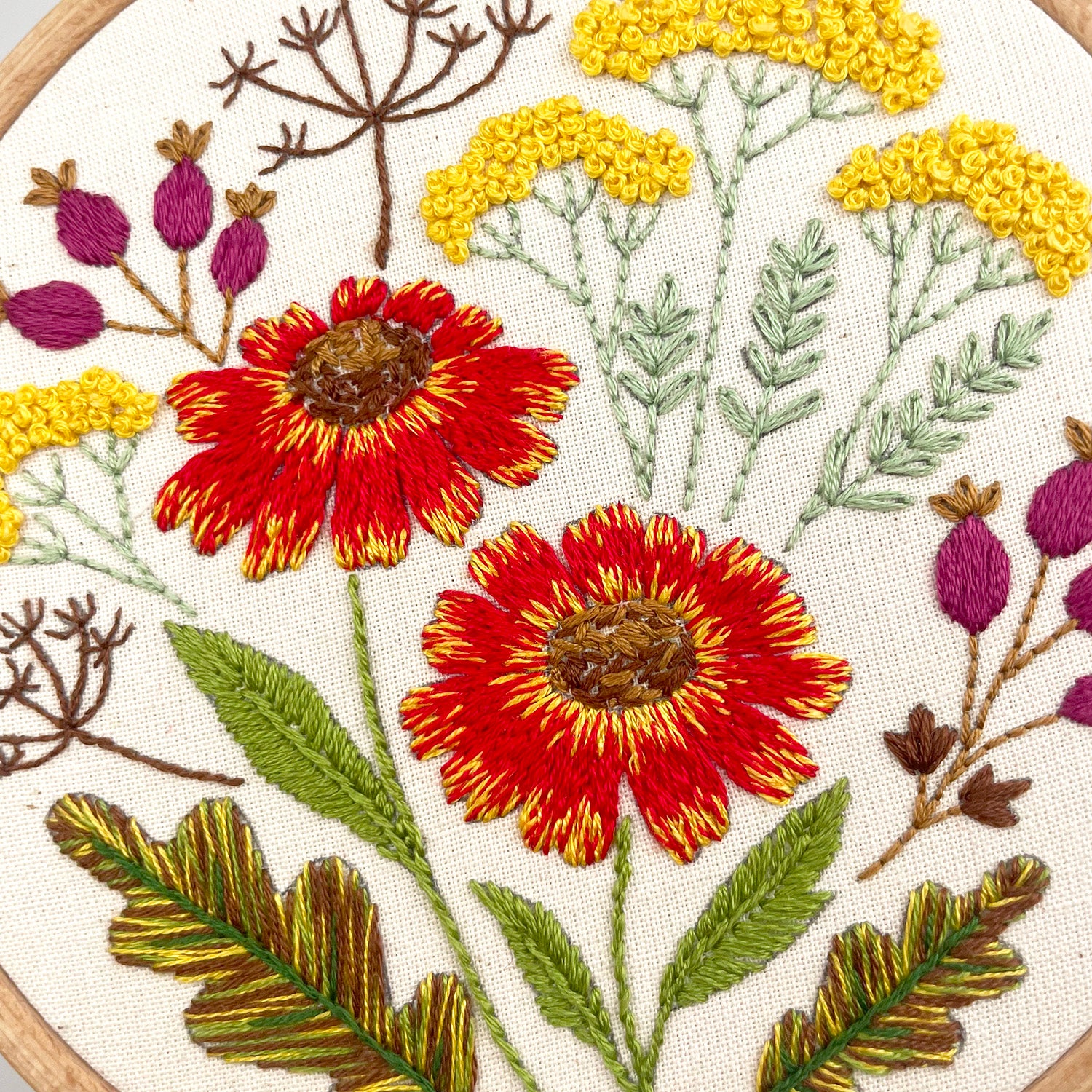
Satin stitch is used when you want to fill an area rather than create a line. It works especially well for small flower petals, leaves, berries, hearts, simple lettering and tiny decorative shapes.
For beginners, I find small shapes are the best place to start. Very large satin stitch areas can be trickier because long stitches are more likely to catch, loosen or sit unevenly. If you are filling a bigger shape, it often helps to split it into smaller sections.
Practise satin stitch with a colourful flower project
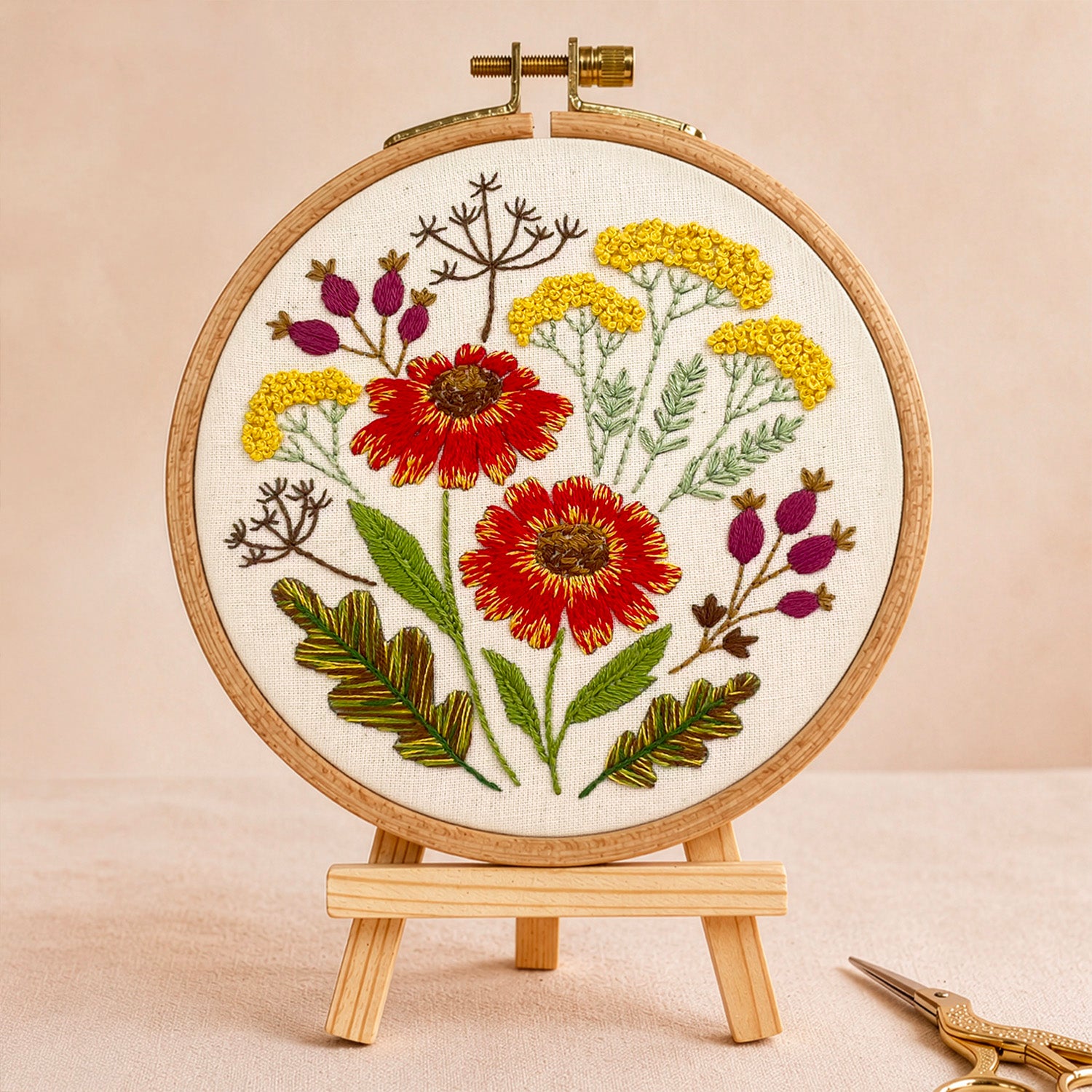
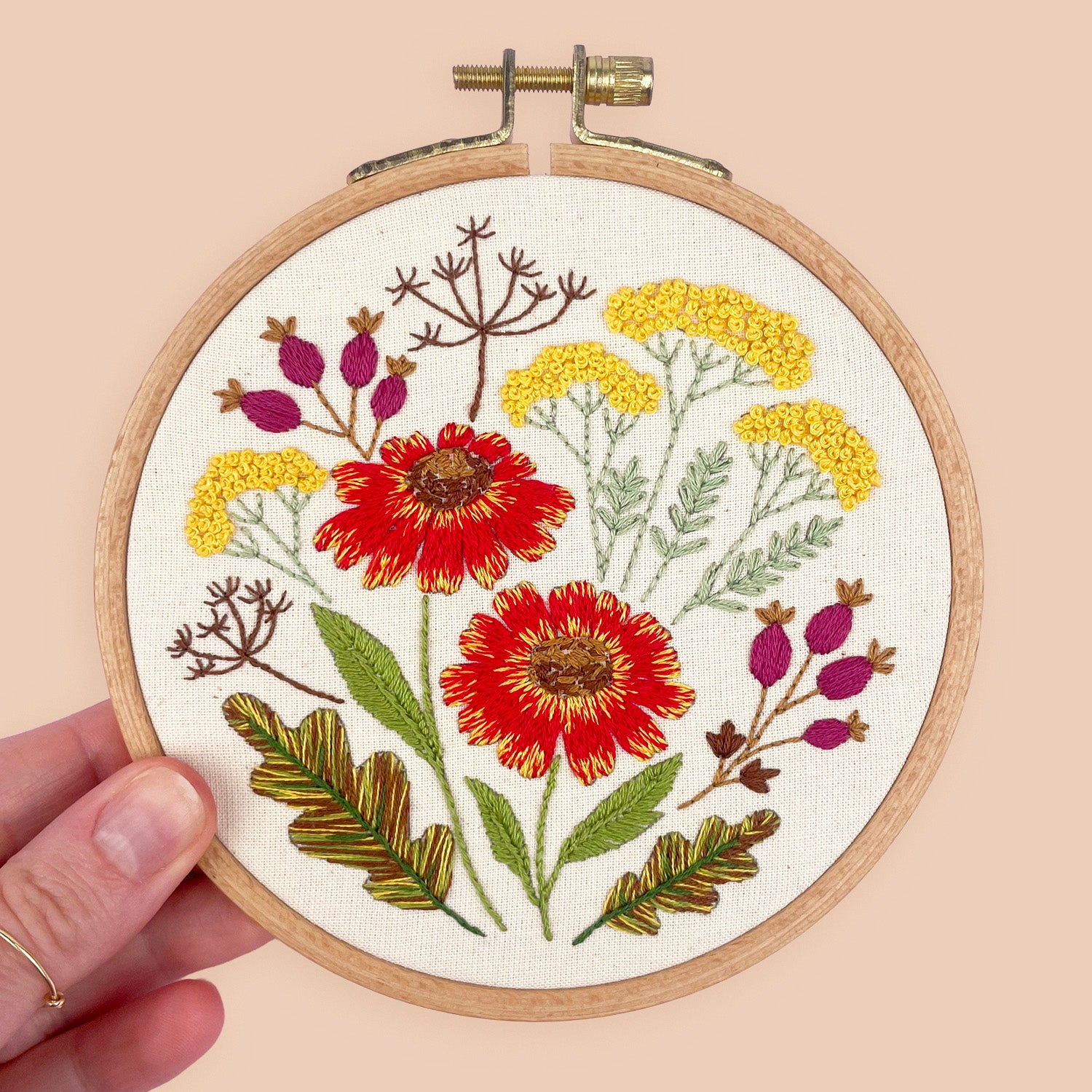
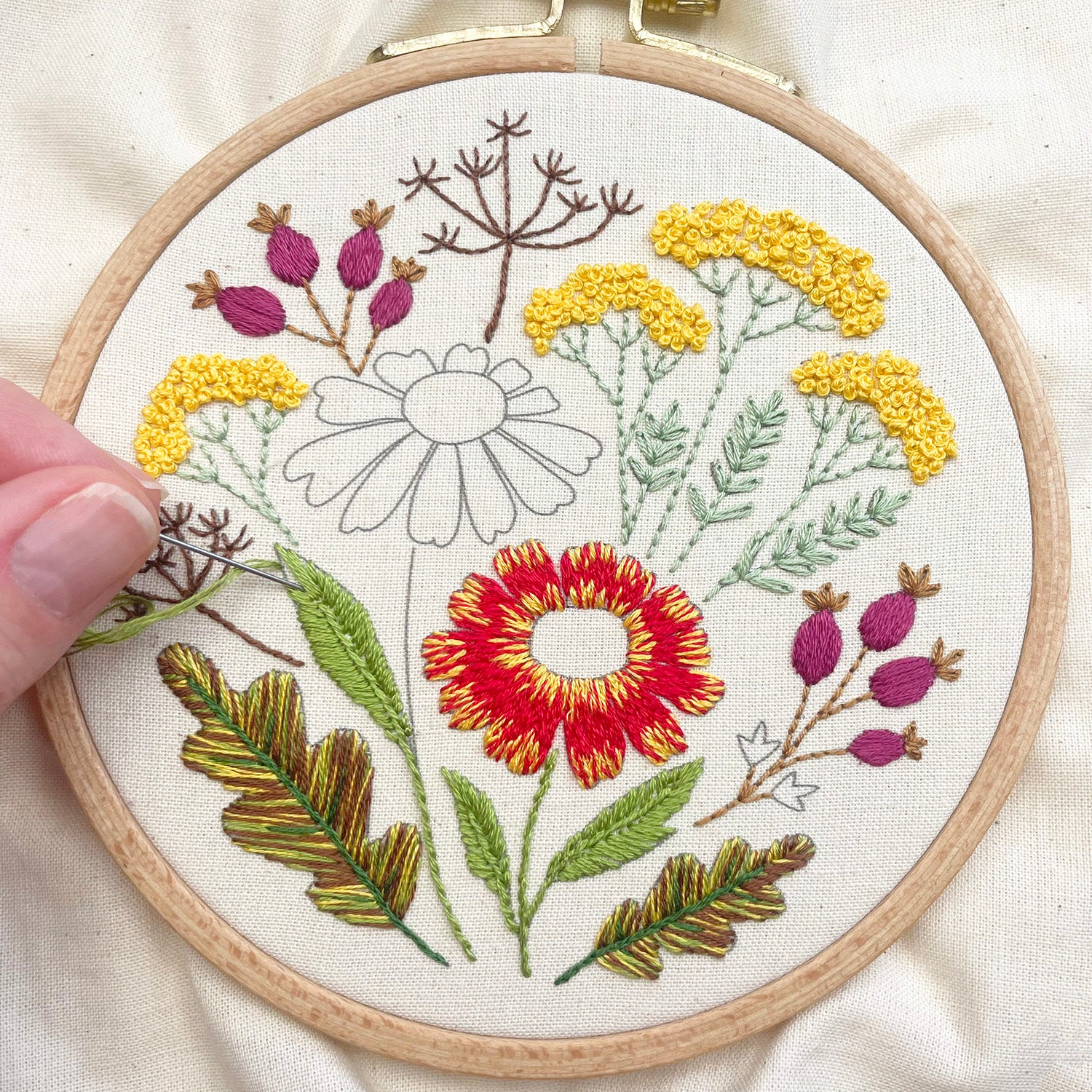
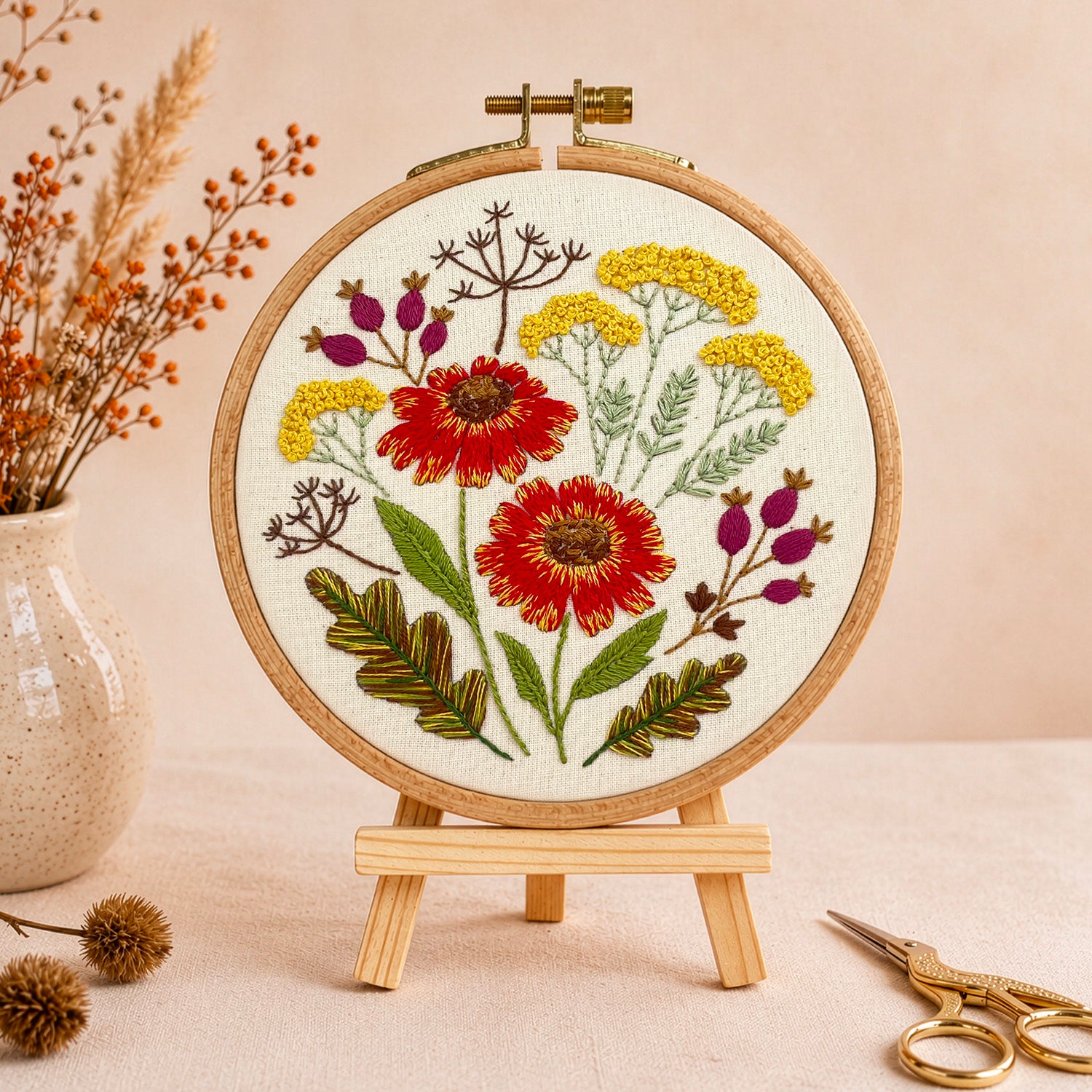
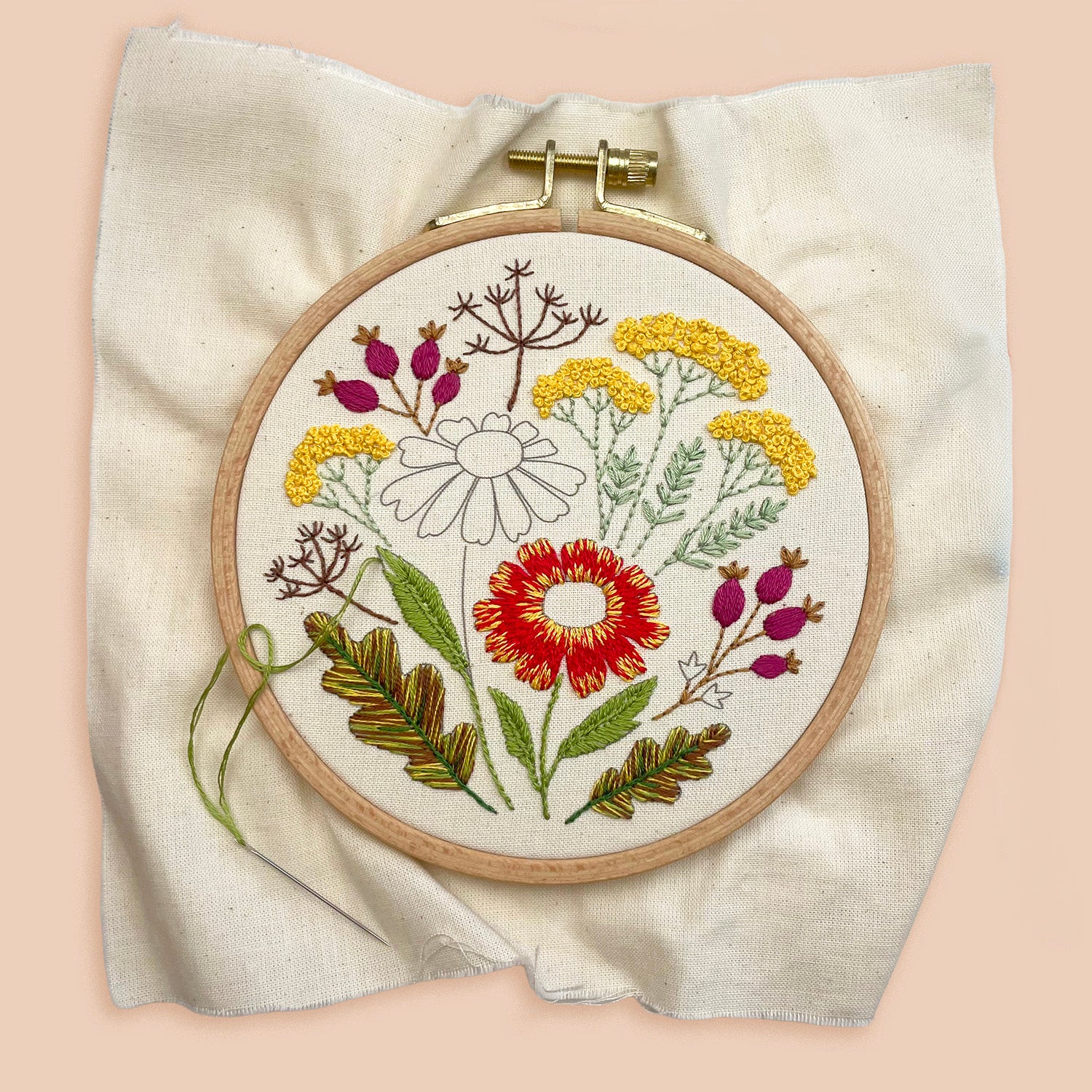
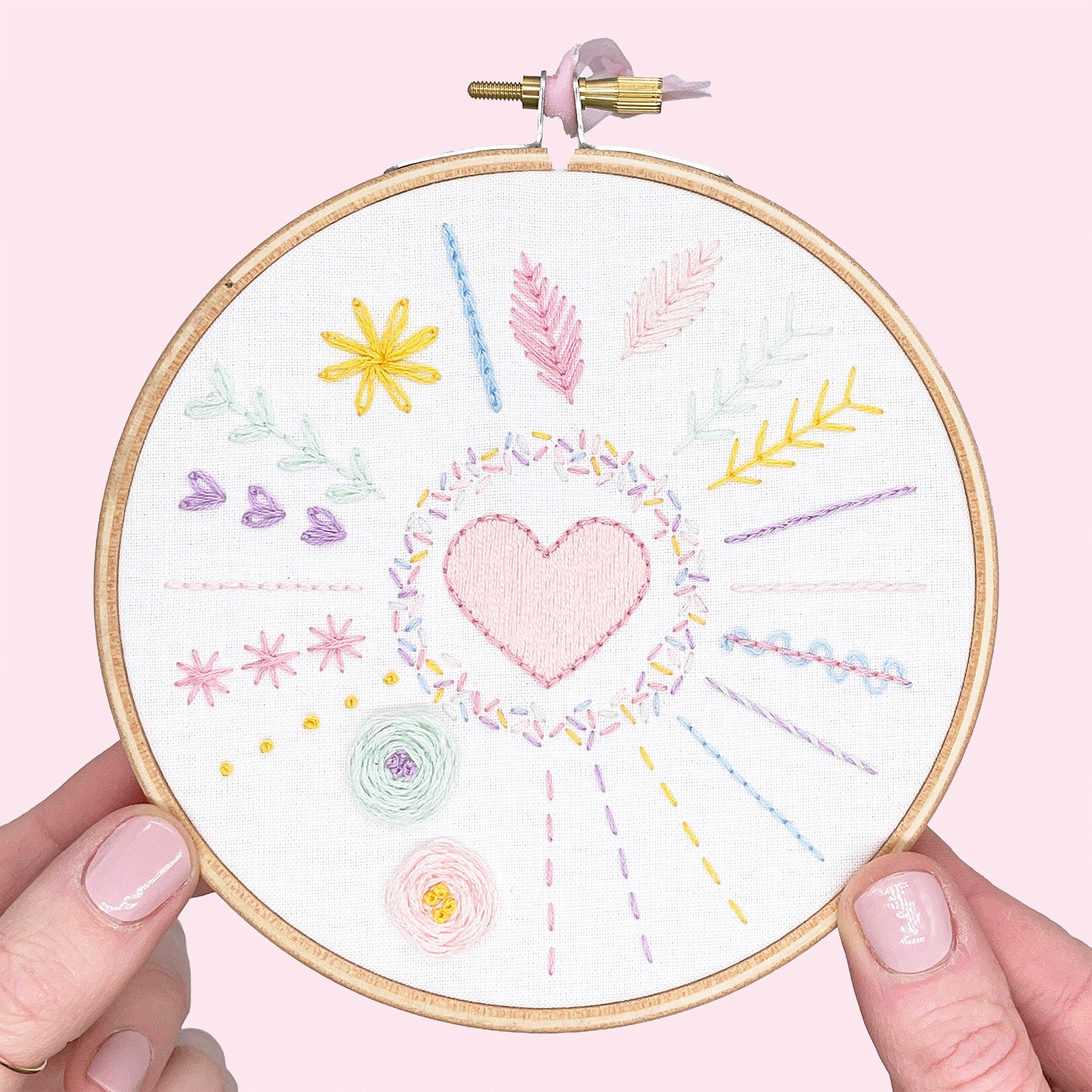
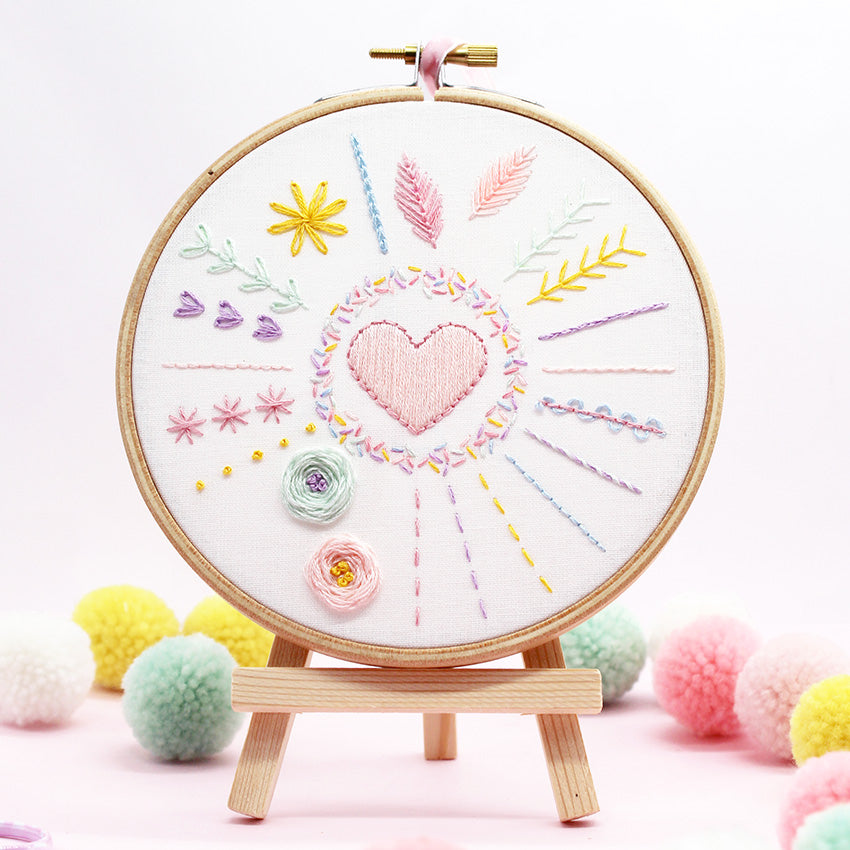
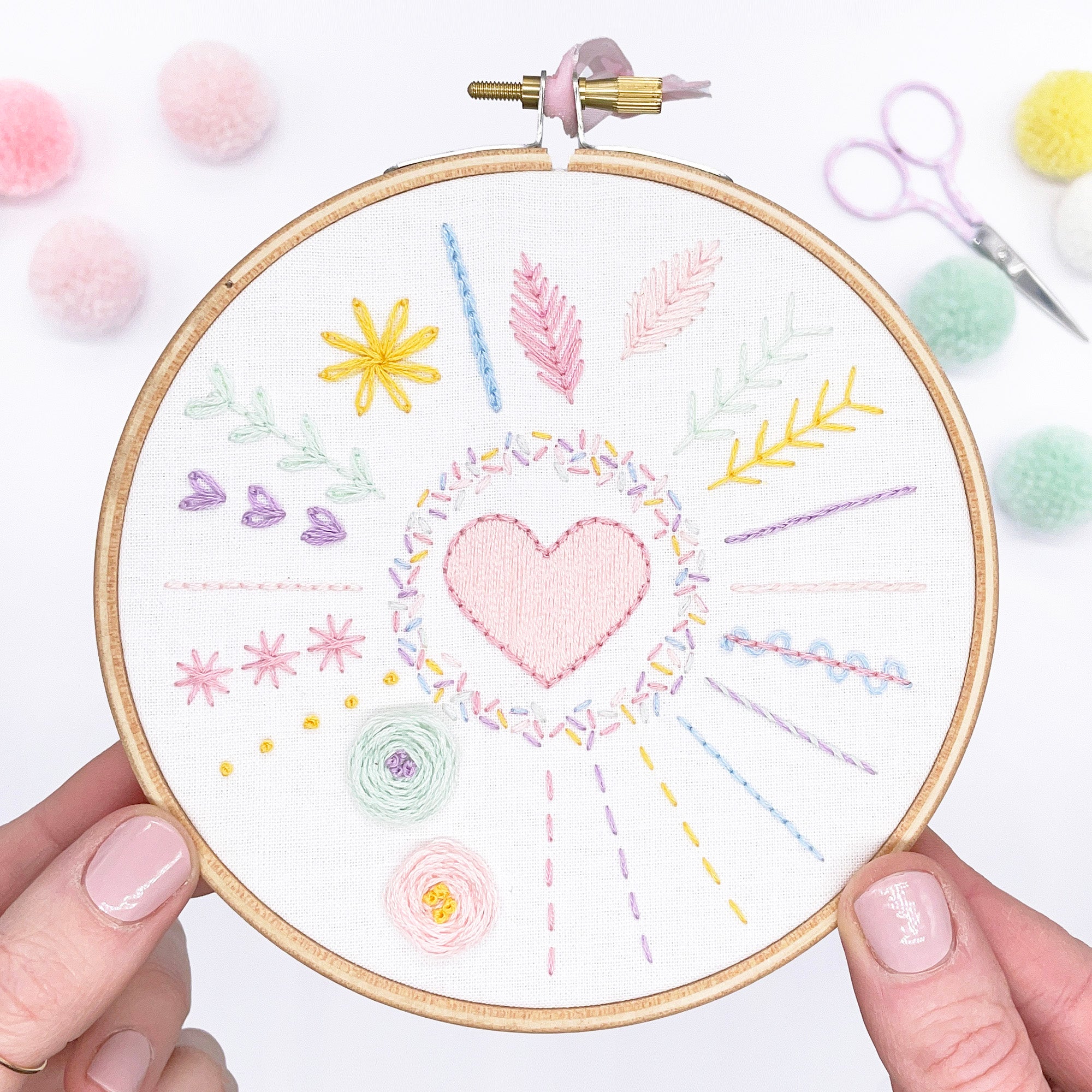
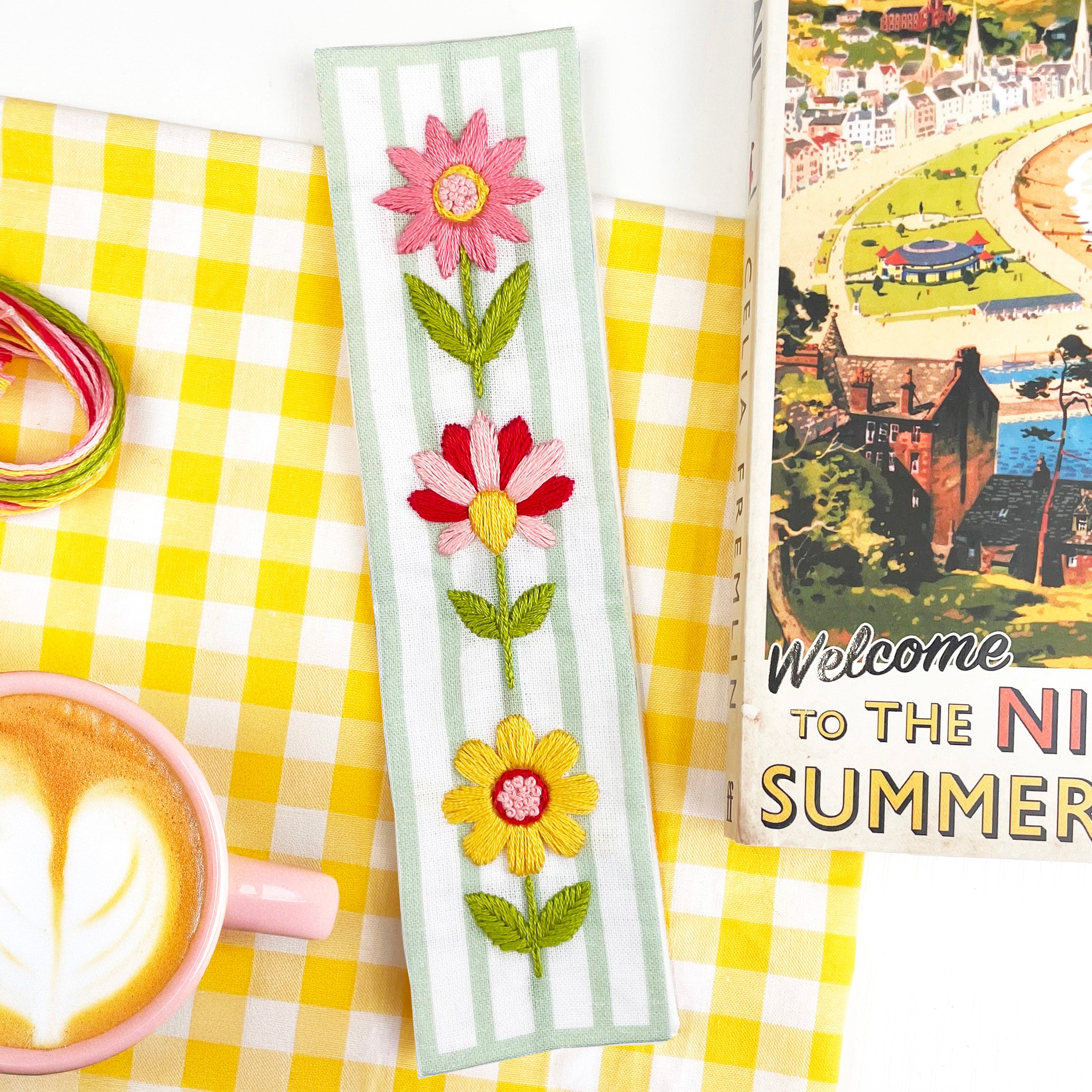
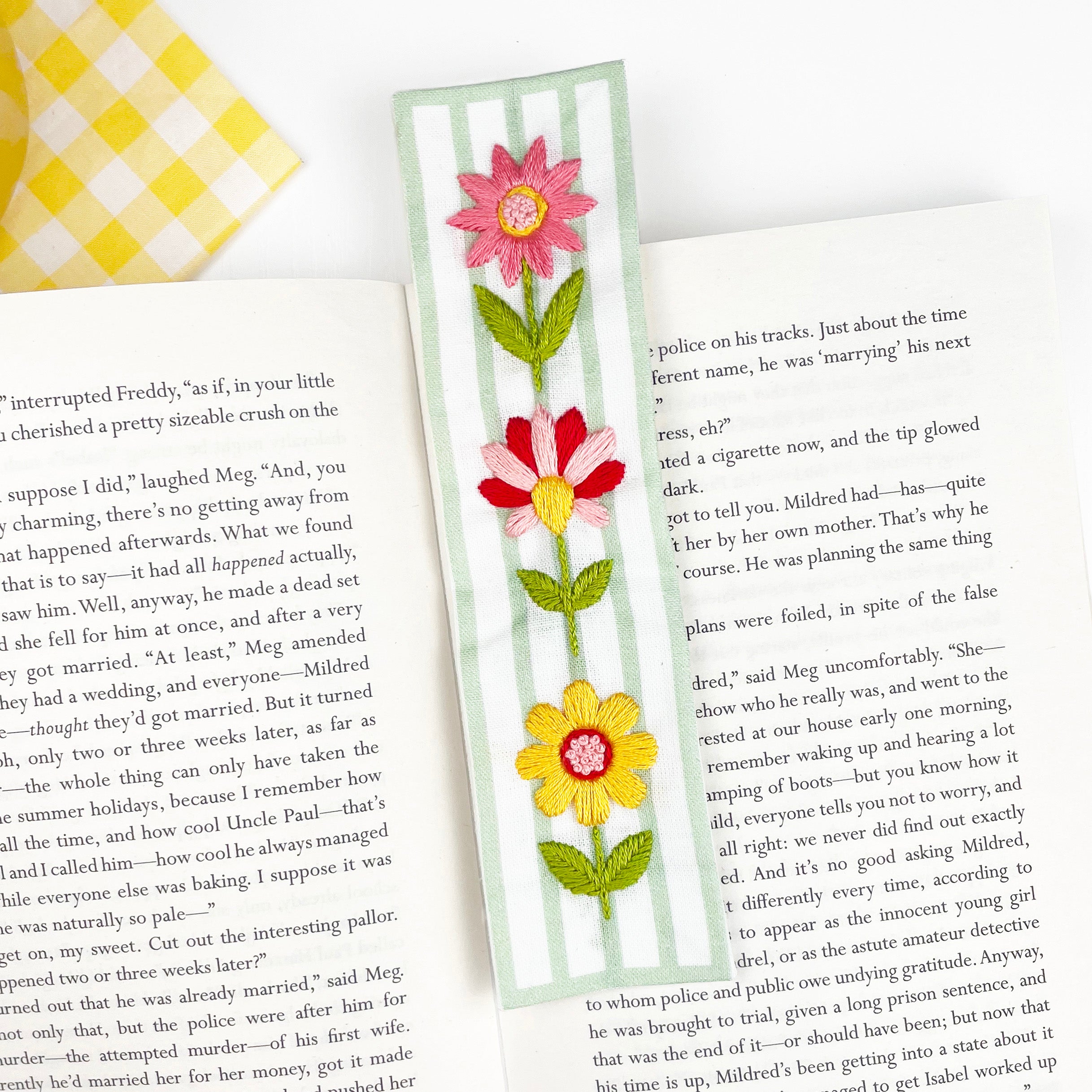
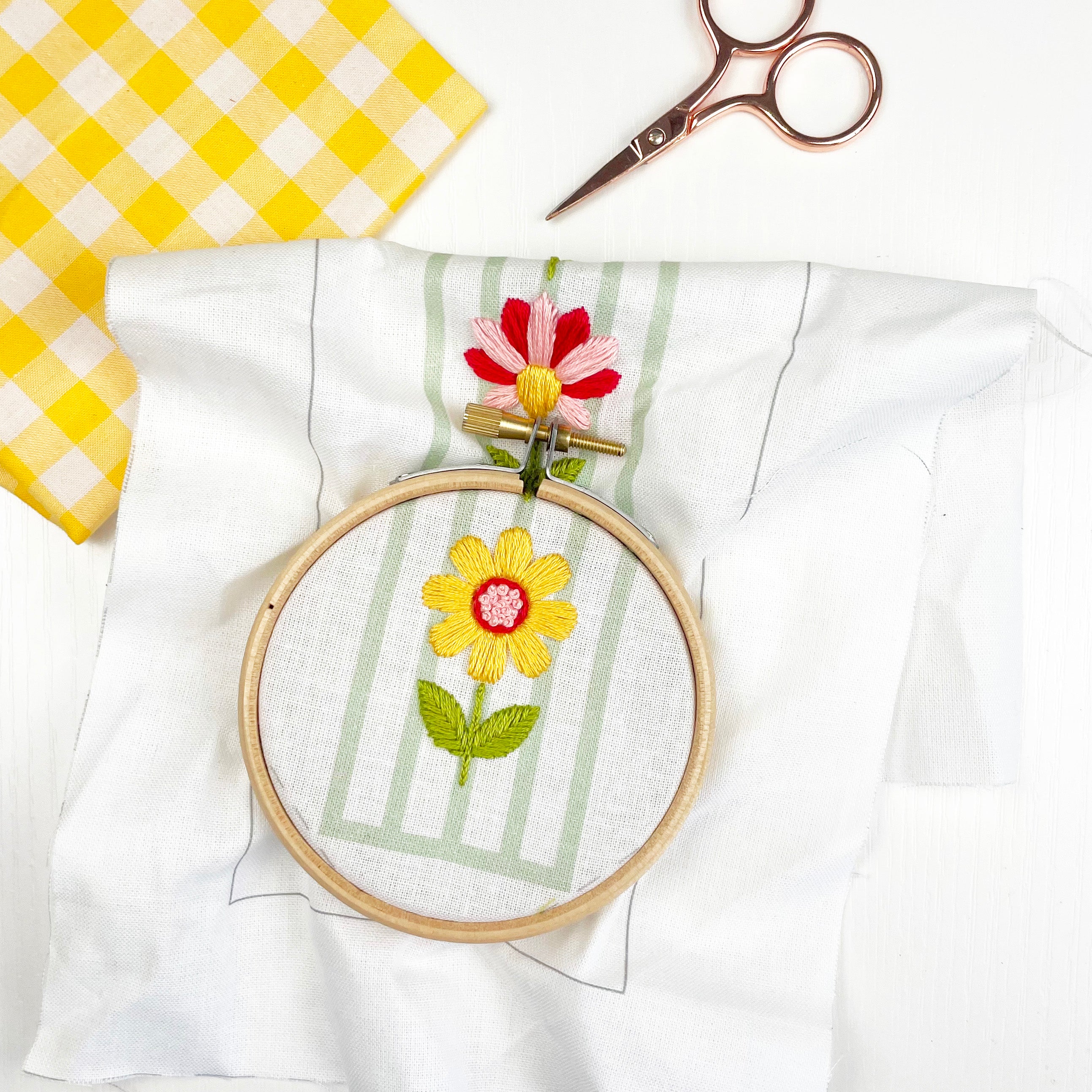
The Fabulous Flowers Embroidery Kit uses satin stitch to fill in colourful petals, so it is a lovely way to practise this stitch in a real project. You will also get to try other beginner-friendly stitches, including lazy daisy stitch and French knots, while making a bright floral hoop.

Fabulous Flowers Embroidery Kit
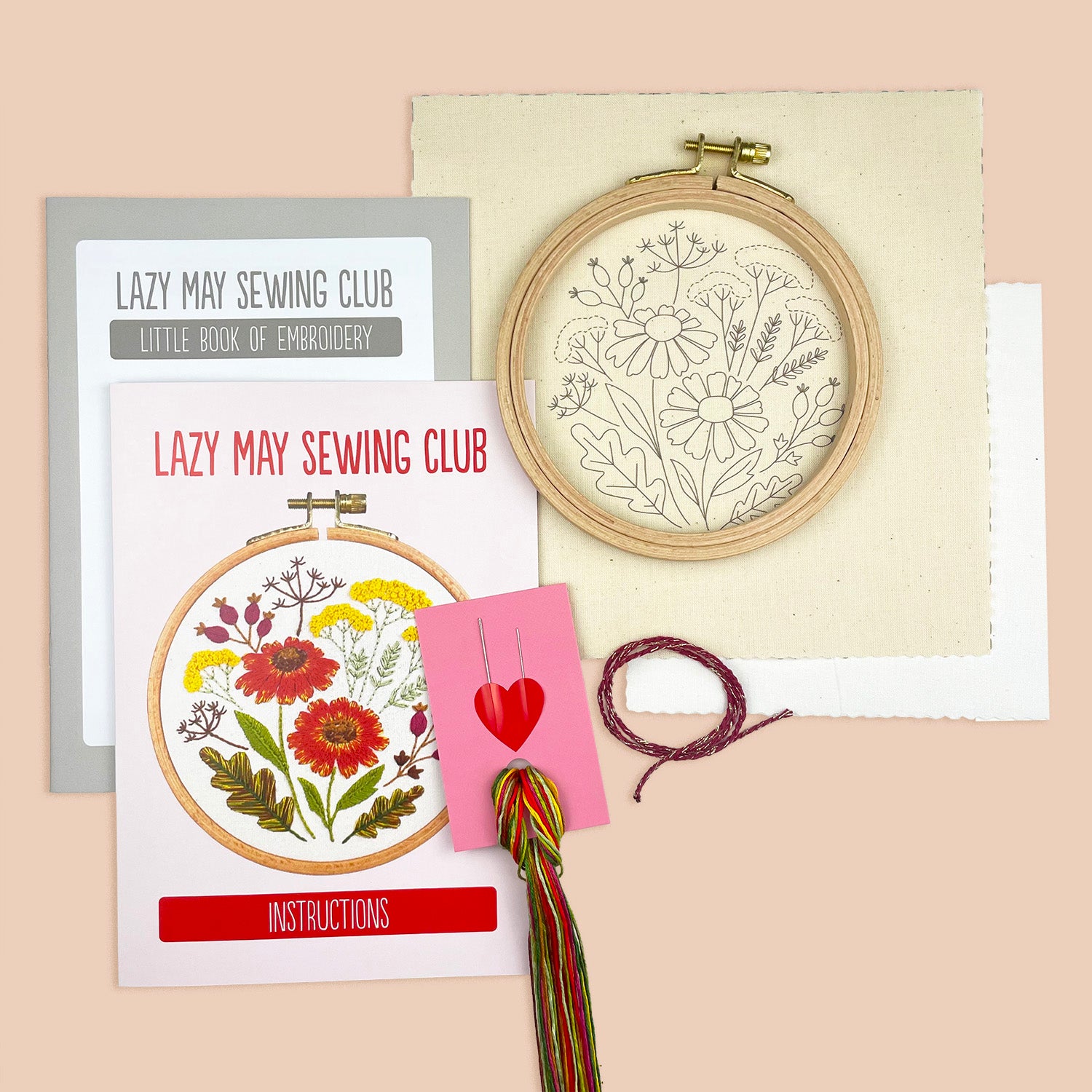
A bright floral embroidery kit with pre-printed fabric, threads, hoop, needle and step-by-step instructions included. It is a cheerful project for practising satin stitch on petals, alongside other simple embroidery stitches.
View the flower kitTips for satin stitch
- Use an embroidery hoop to keep your fabric taut and help stop the stitches puckering.
- Keep each stitch close to the next so the fabric does not show through.
- Use shorter satin stitches for curved shapes so the edge stays smooth.
- Try fewer strands of thread for tiny details and more strands for bolder areas of colour.
- Work with shorter lengths of thread to reduce tangles and keep the thread looking smooth.
- Check the direction of your stitches as you go, especially when filling petals or leaves.