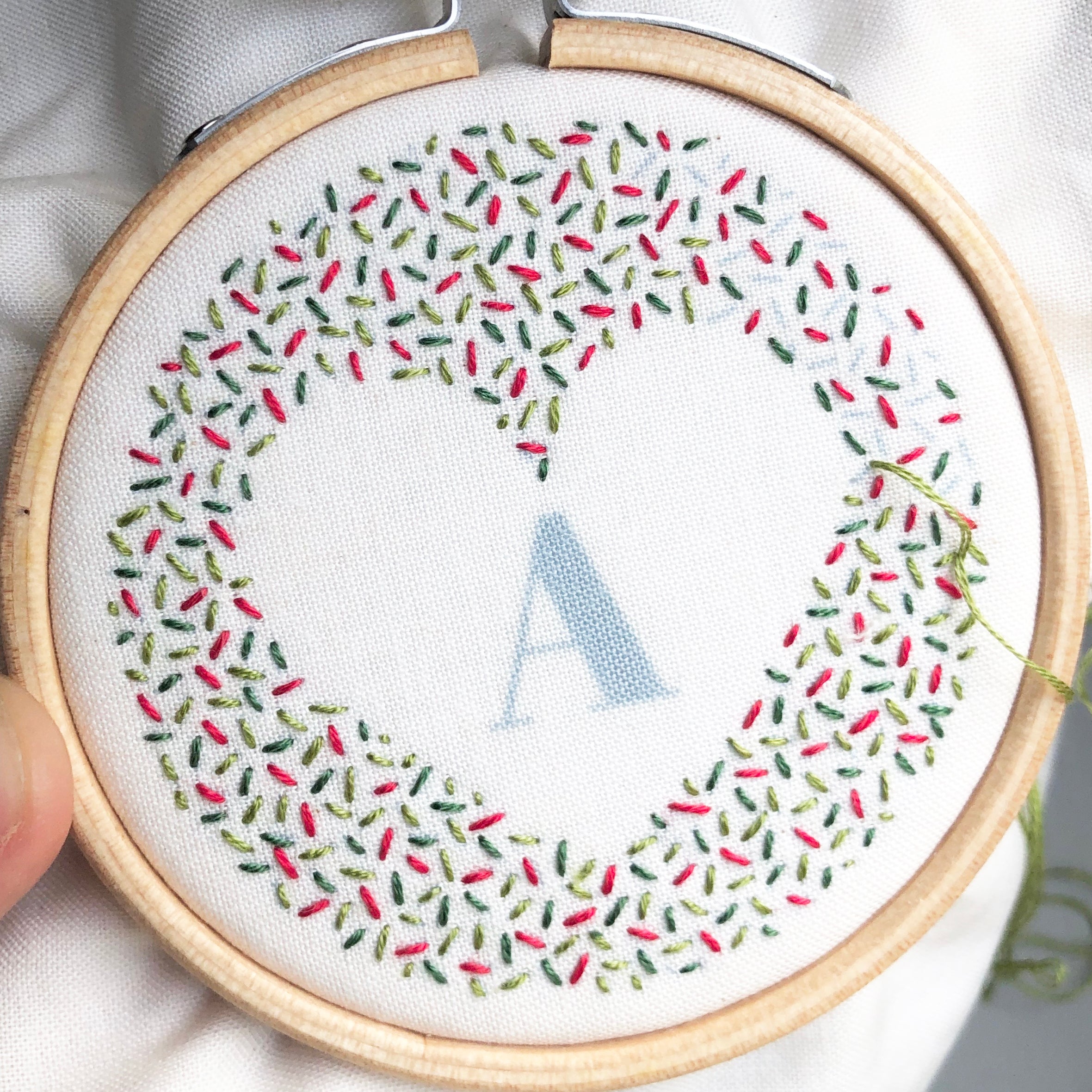
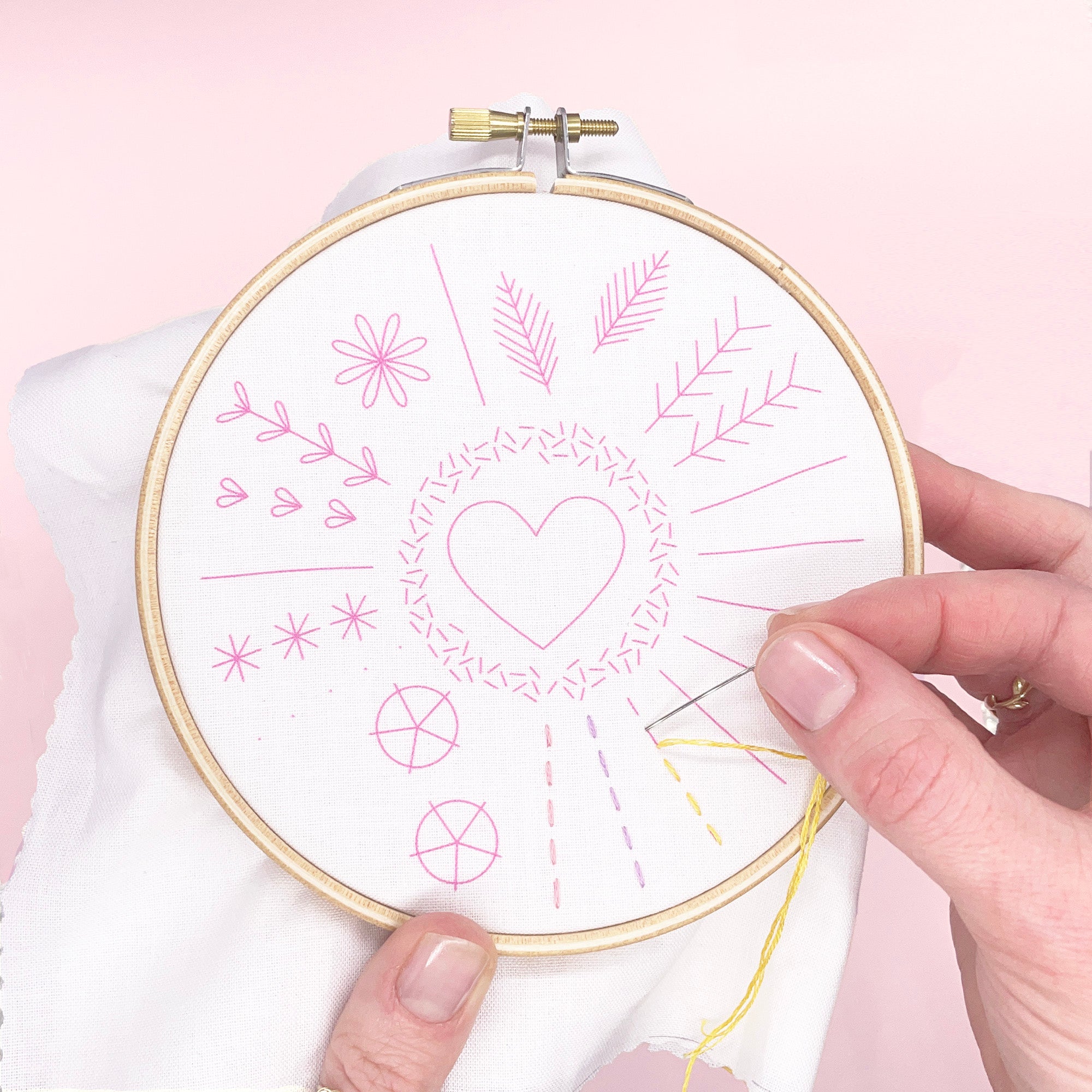
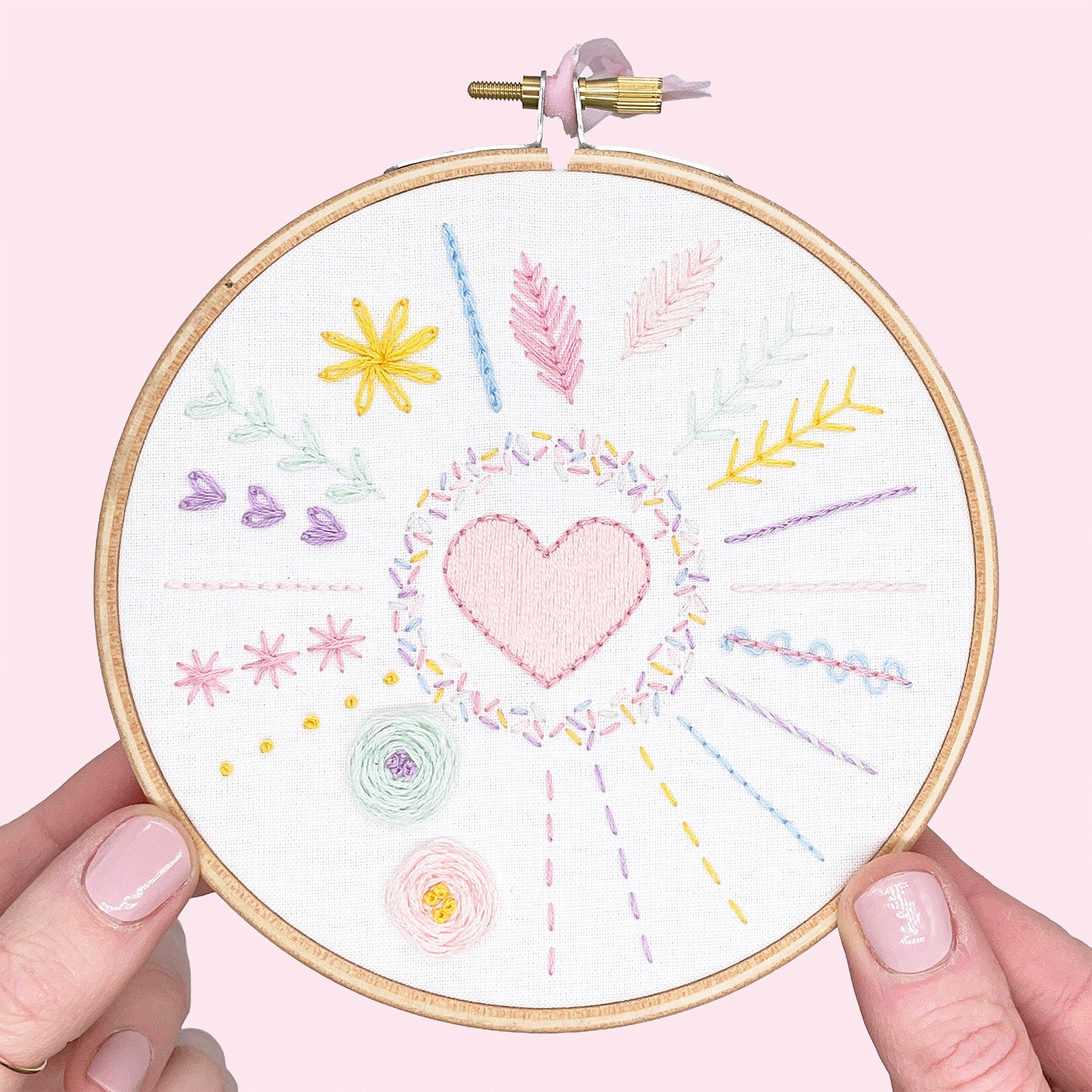
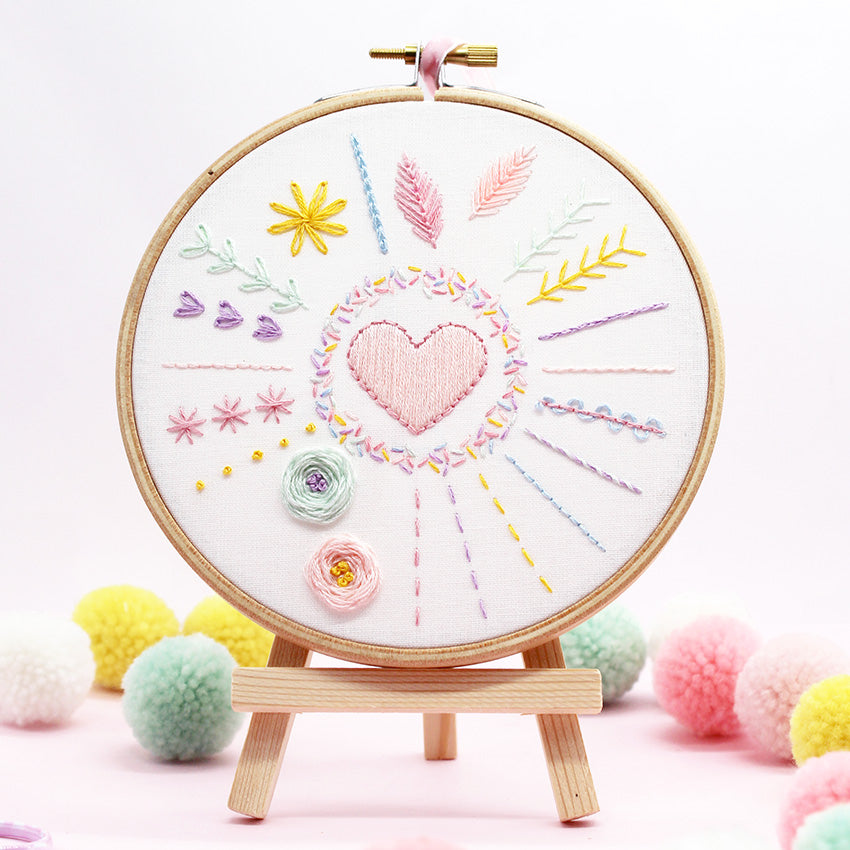
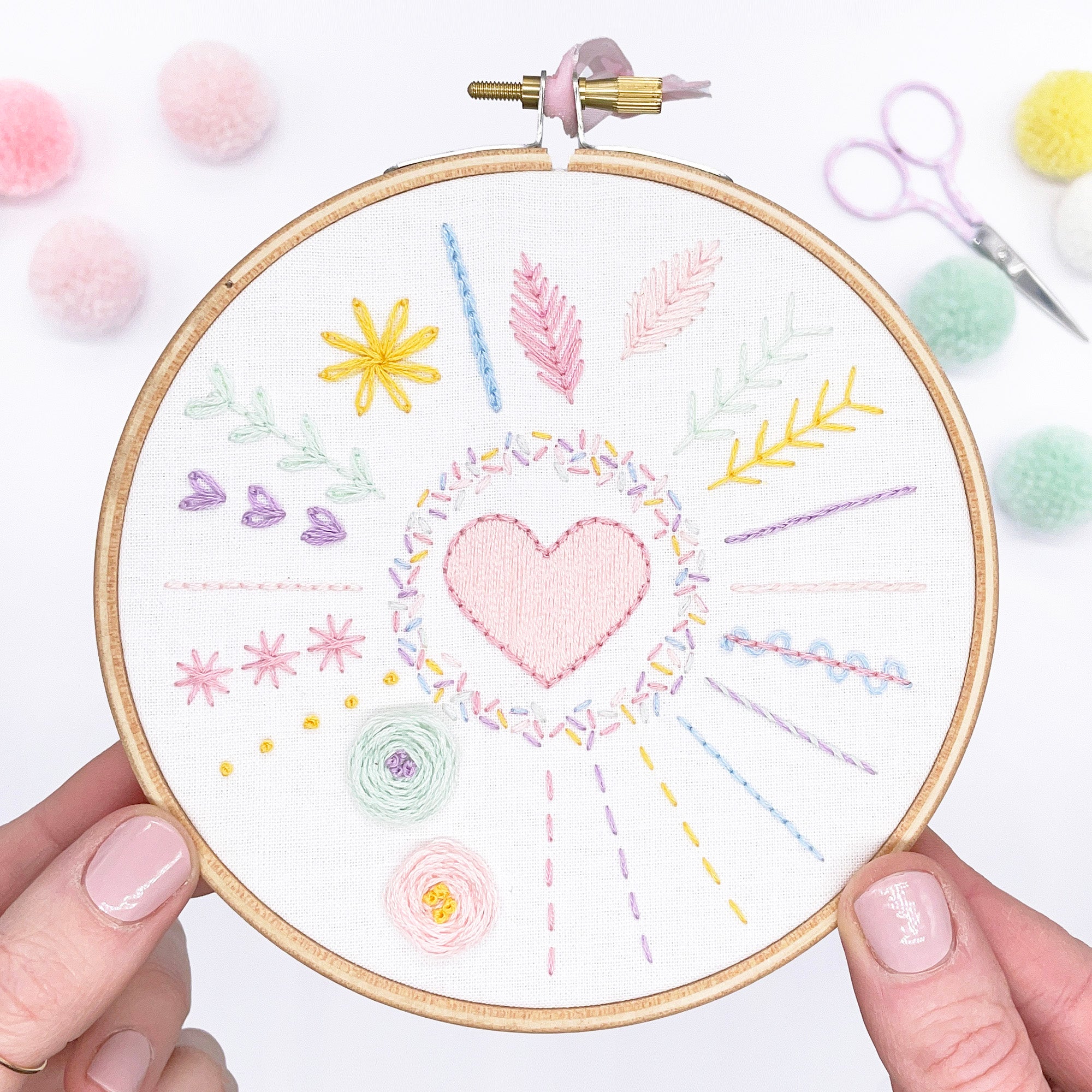
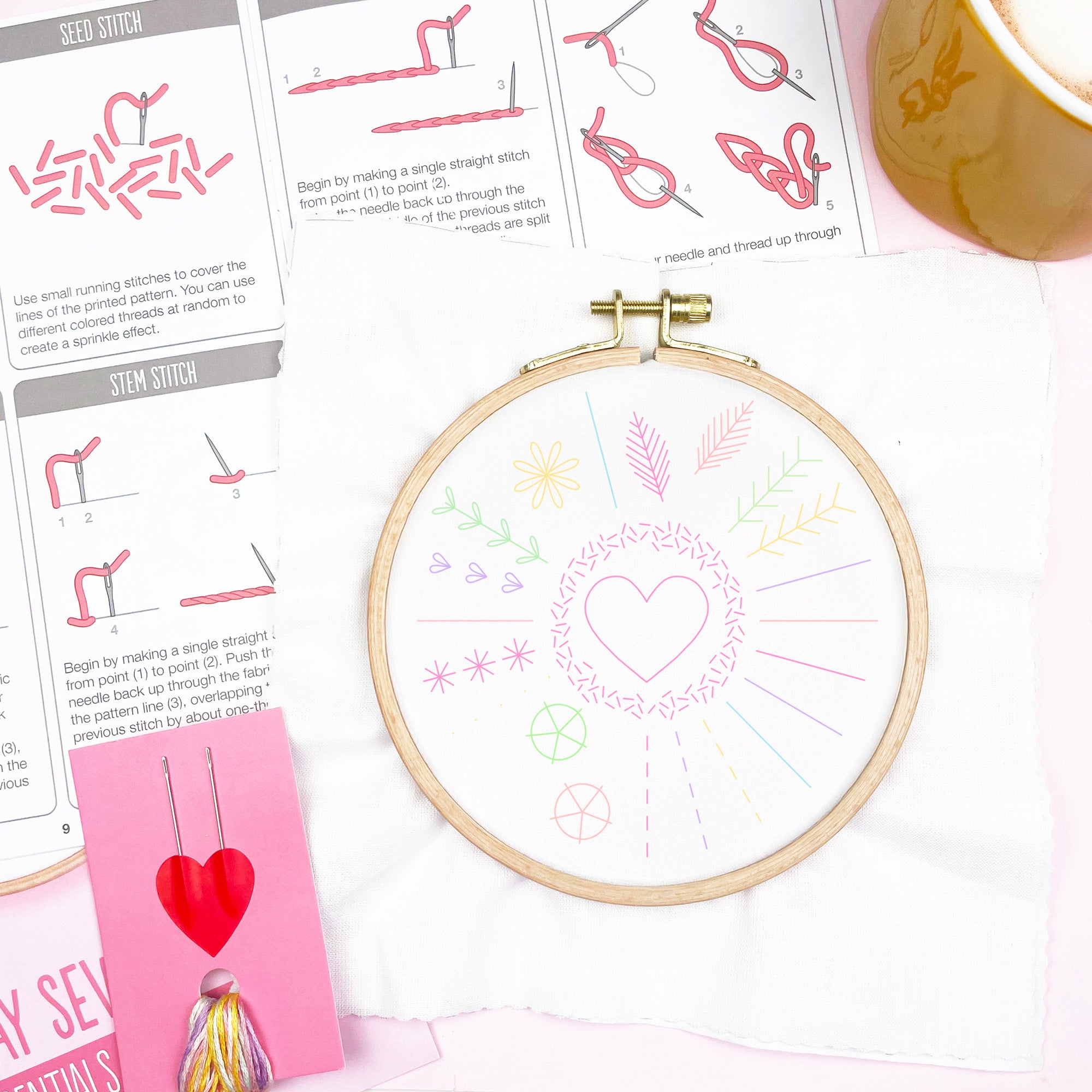
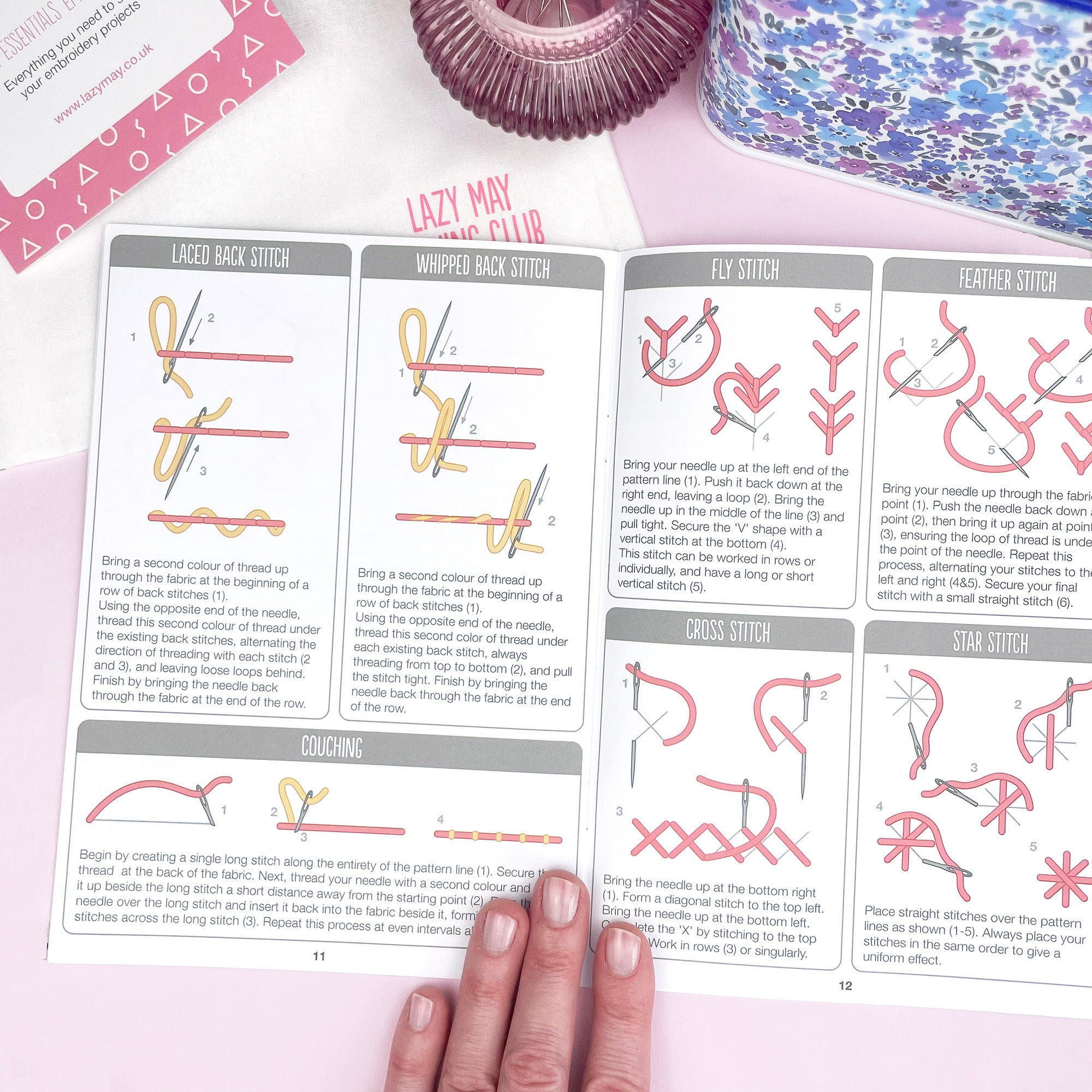
Seed stitch is a simple embroidery filling stitch made from lots of tiny straight stitches. Because the stitches are scattered rather than worked in neat rows, it creates a lovely soft texture and it is great for filling small shapes, adding gentle shading, or giving your embroidery a slightly speckled look.

How to do seed stitch (step-by-step)
- Bring your needle up through the fabric where you want to start your fill.
- Make a tiny straight stitch by taking the needle back down a short distance away.
- Bring the needle up again a small distance from the first stitch and make another tiny straight stitch.
- Continue adding small stitches, scattering them across the area you want to fill.
- Vary the direction of the stitches slightly so the texture looks natural and evenly filled.
The key to seed stitch is keeping the stitches small and spreading them out evenly. You can place the stitches closer together for a denser fill, or leave a little more space for a lighter, airy texture.
More about seed stitch
Seed stitch is a brilliant choice when you want a fill that feels soft rather than solid. It works especially well for backgrounds, centres of flowers, little textured details, and anywhere you want a bit of interest without the bold look of satin stitch.
You can also use seed stitch for gentle shading by gradually changing the spacing. Place stitches closer together where you want the colour to look stronger, and further apart where you want it to fade out. It is a simple trick that makes a big difference.
Ready to practise seed stitch?
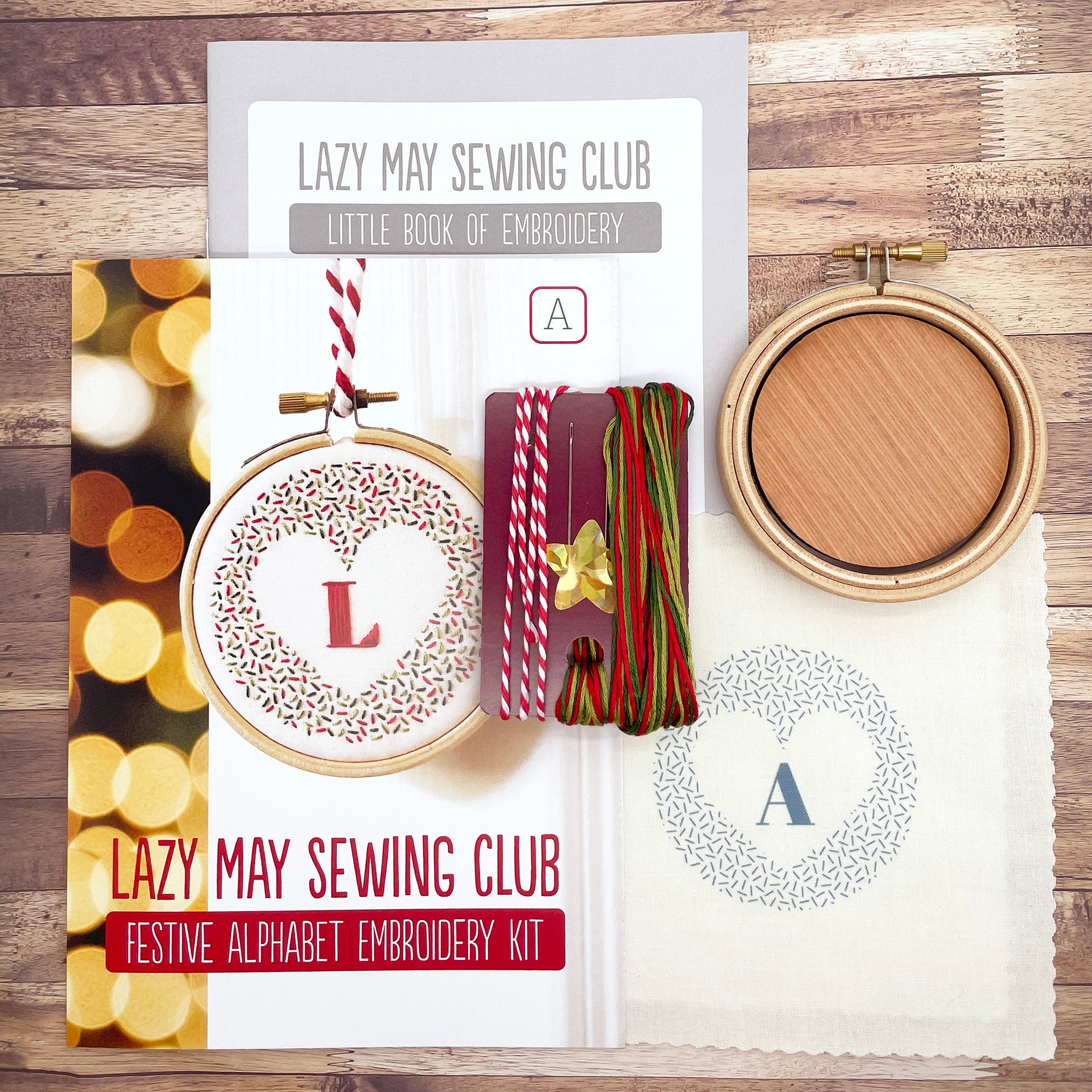
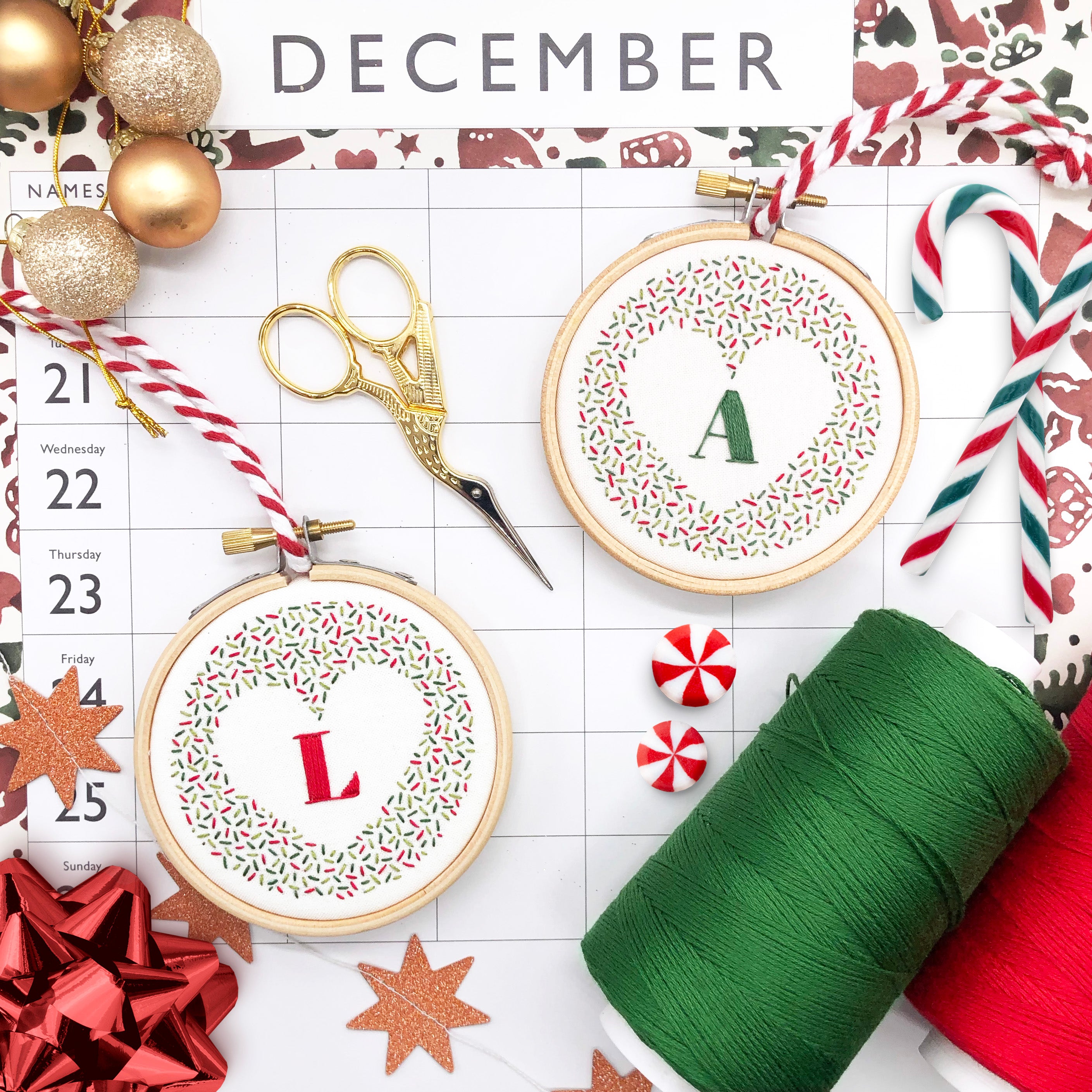
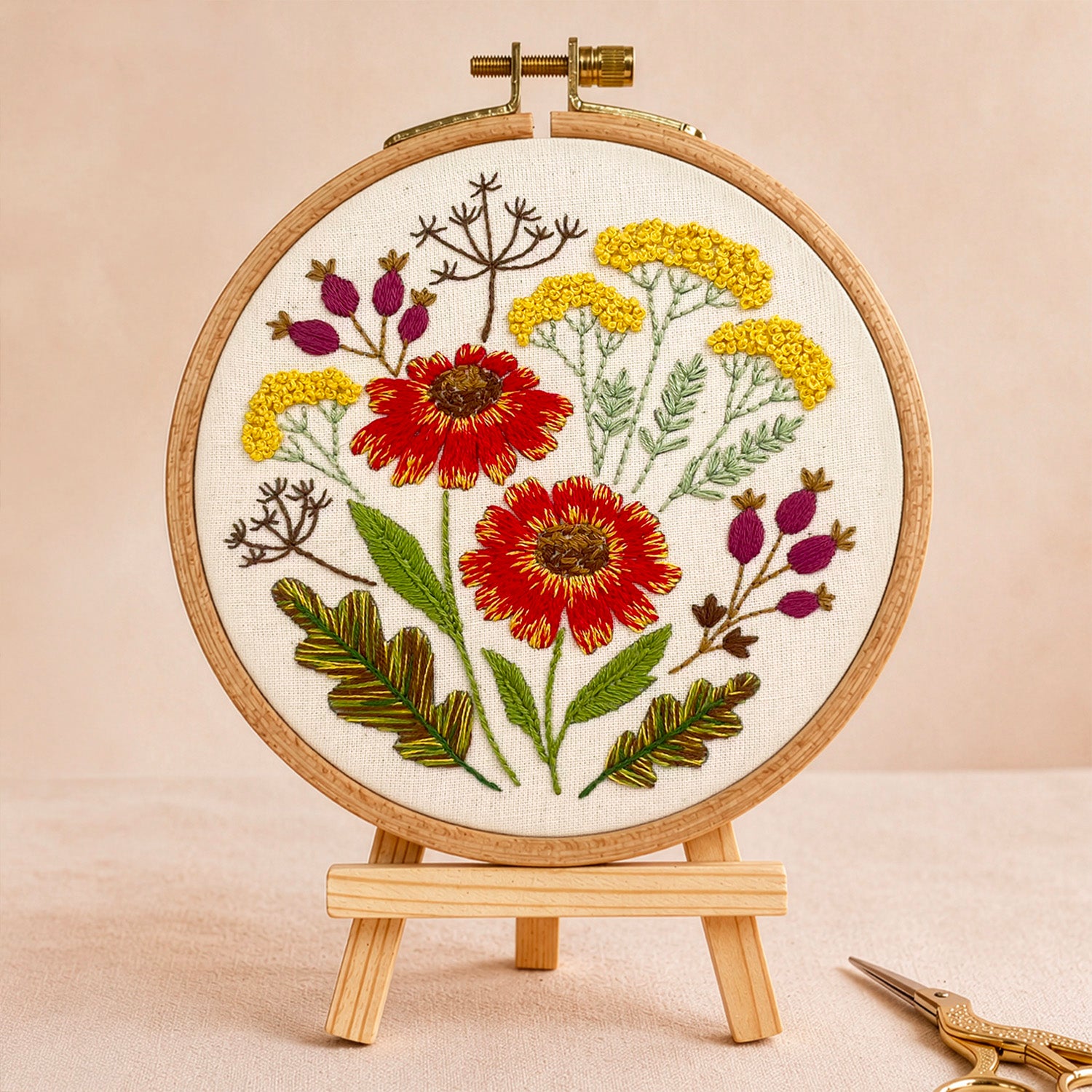
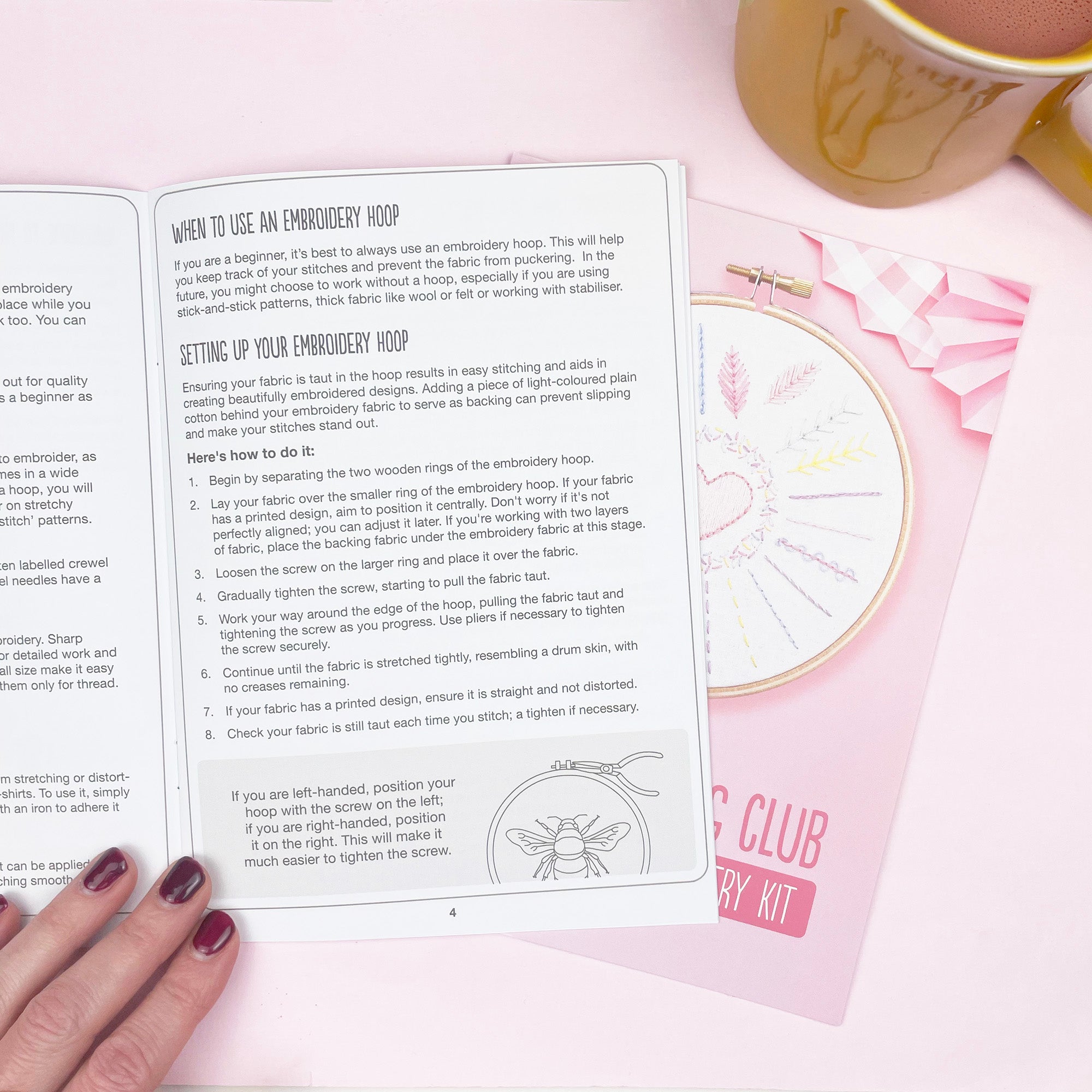
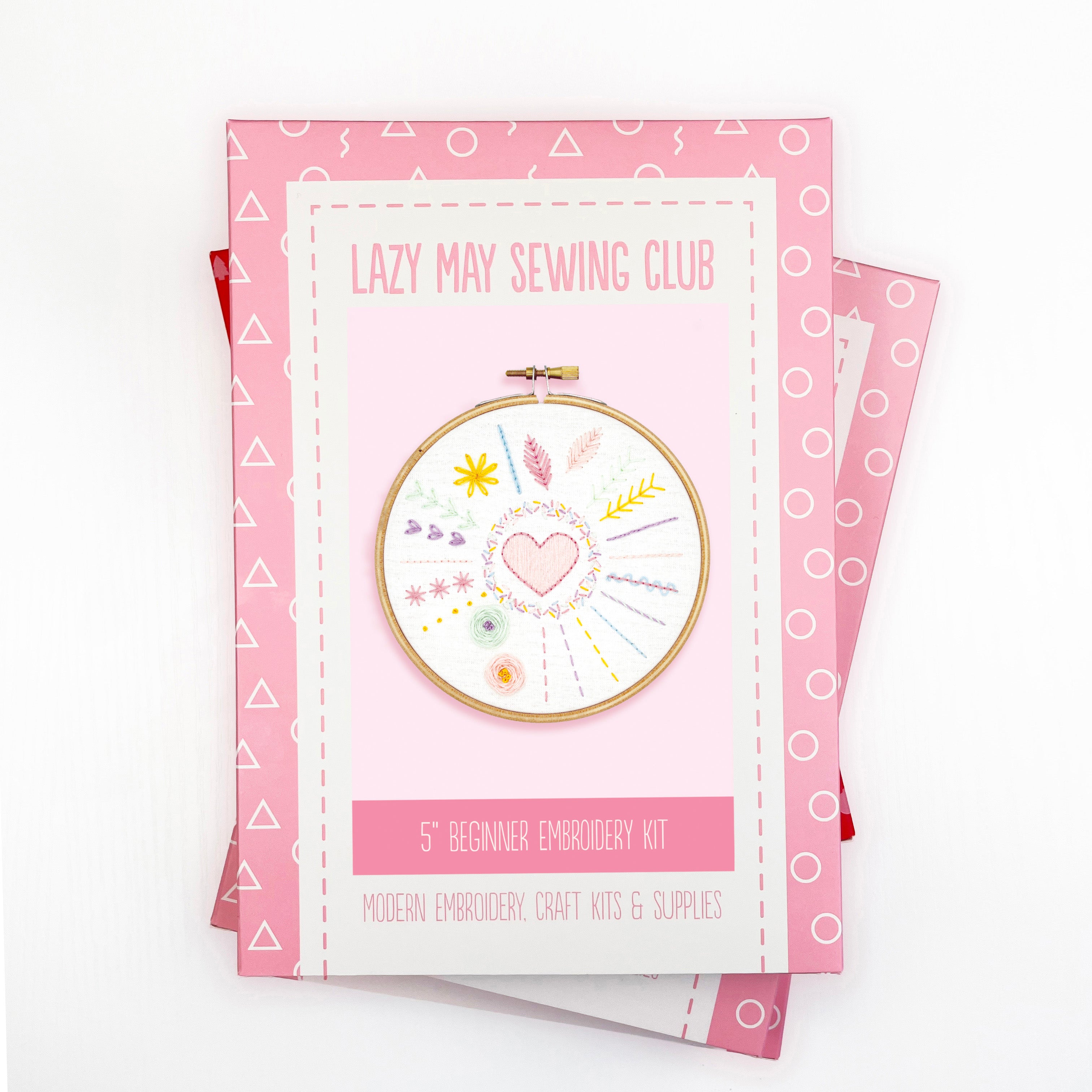
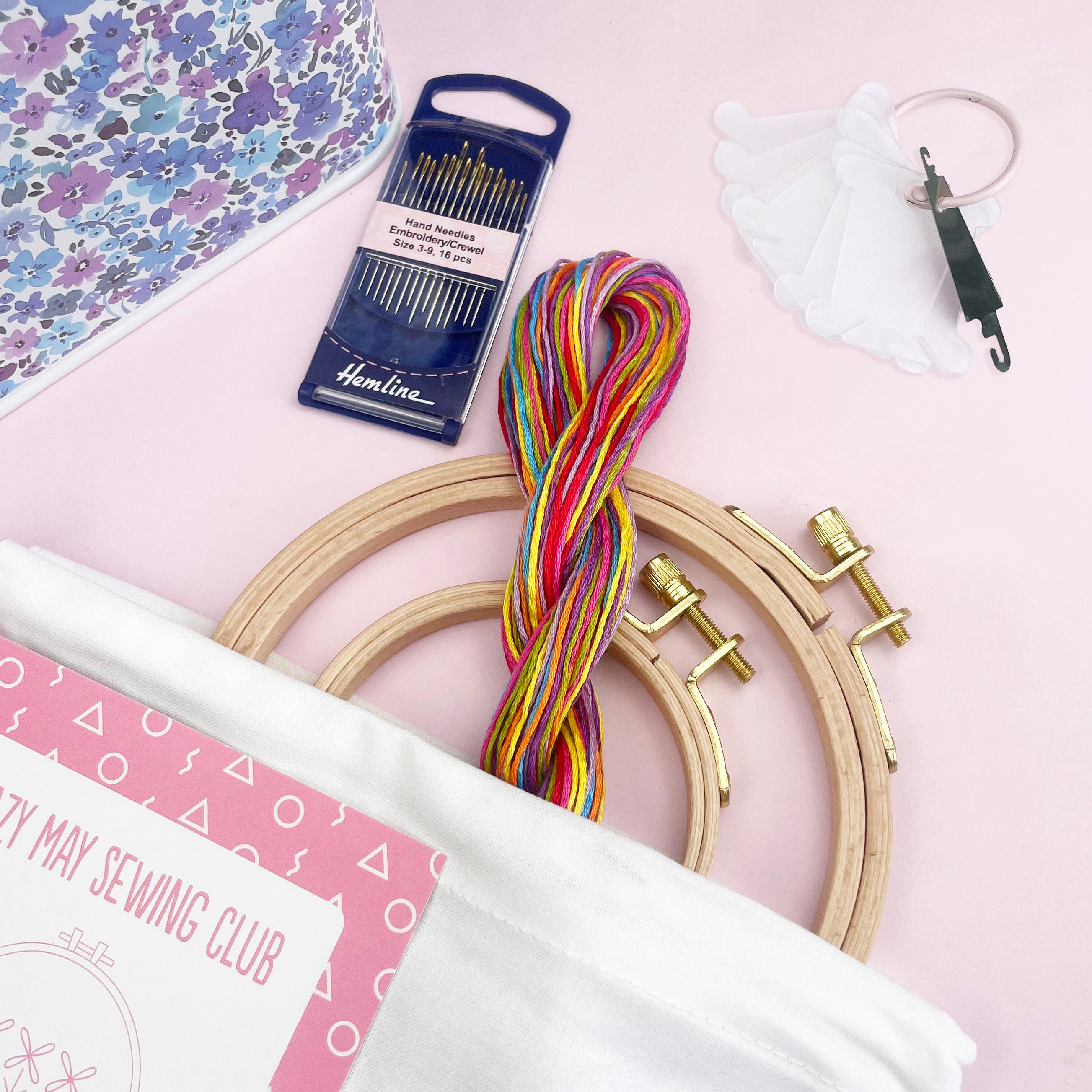
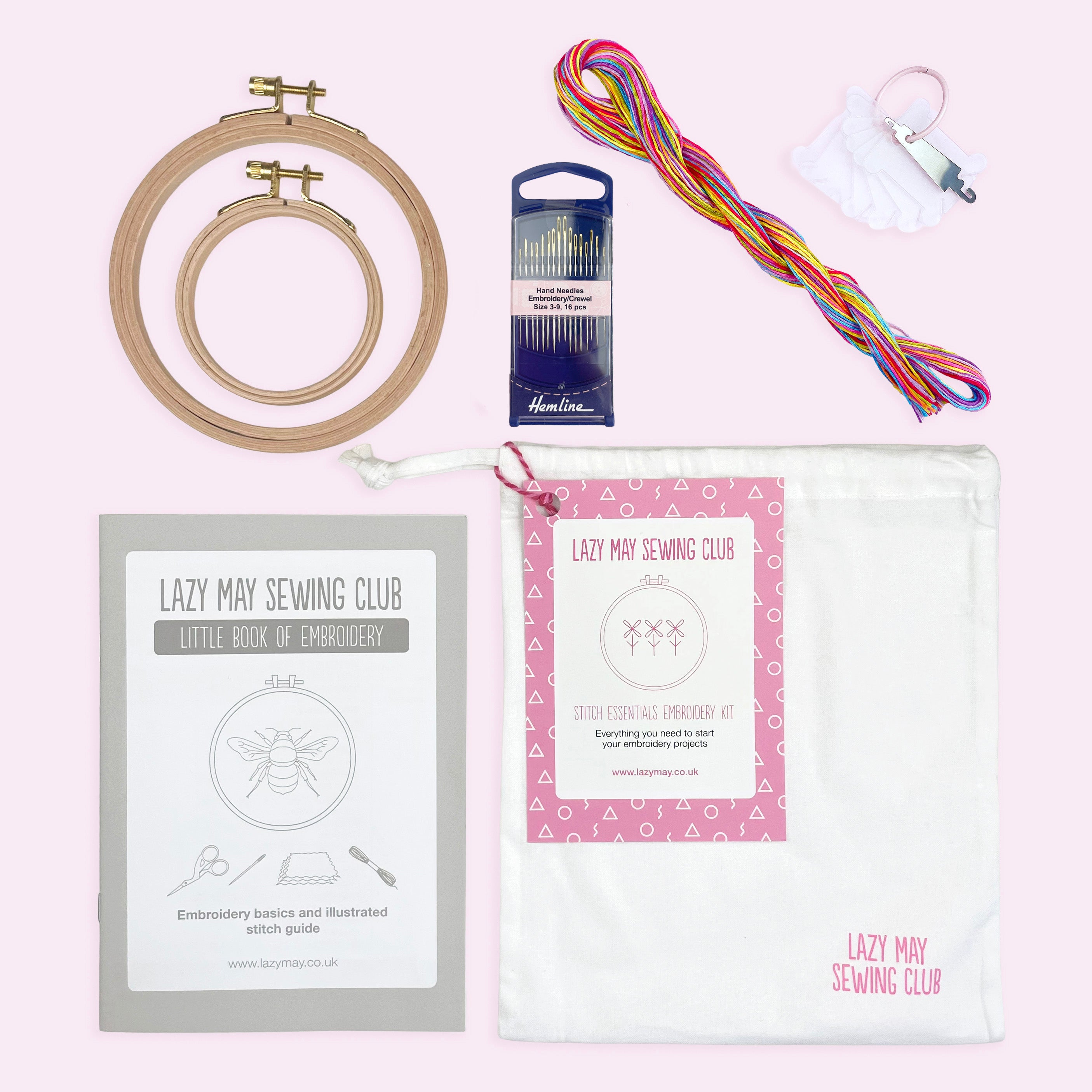
If you would like a project to try seed stitch on, I have a range of beginner friendly embroidery kits and patterns where you can add texture and fill areas with simple stitches like this one.
Tips for seed stitch
- Keep your stitches short so the texture looks neat and intentional.
- Scatter stitches in different directions rather than working in perfect rows.
- For a fuller fill, place the stitches closer together.
- For lighter shading, space the stitches further apart and build up gradually.
- This stitch is great for small fills, backgrounds, and adding subtle texture to motifs.