How to Embroider a Sweater with Iron-On Embroidery Patterns
Want to know how to embroider a sweater? In this step-by-step guide I’ll show you how I added a simple botanical design to a sweater sleeve using iron-on embroidery patterns. It’s a lovely way to personalise clothes and a great project to try if you want to add embroidery to clothes in an easy, beginner-friendly way.
This project uses my Leaf Motifs iron-on embroidery pattern pack and a few simple embroidery stitches to create a delicate stitched detail on a jumper or sweatshirt sleeve.

Project summary
Skill level: Confident beginner
Project length: Quick
Best fabric: Sweatshirts, jumpers and other slightly thicker fabrics
Pattern used: Leaf Motifs iron-on embroidery pattern set
Stitches used: Split stitch, leaf stitch and lazy daisy stitch
What I used for this project
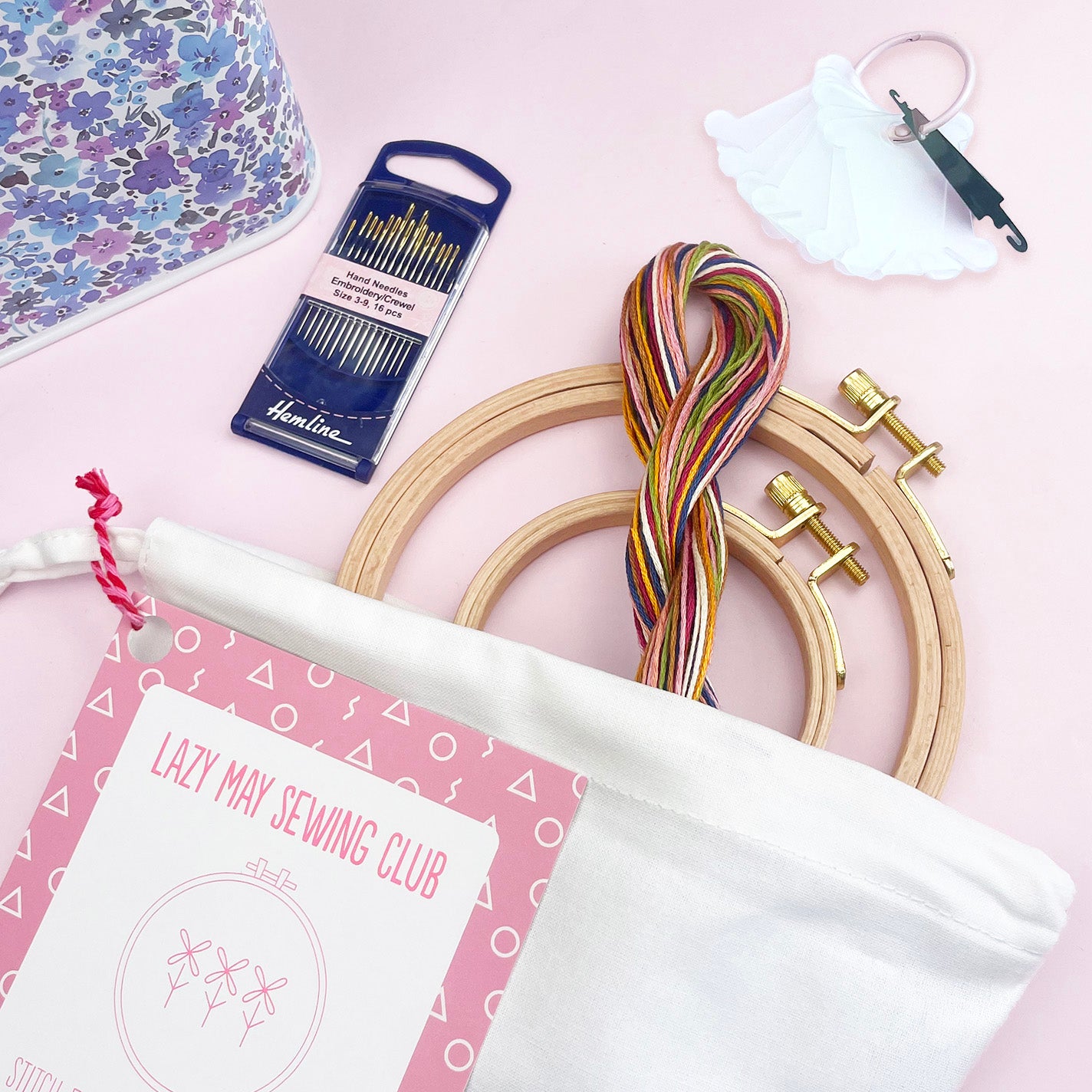
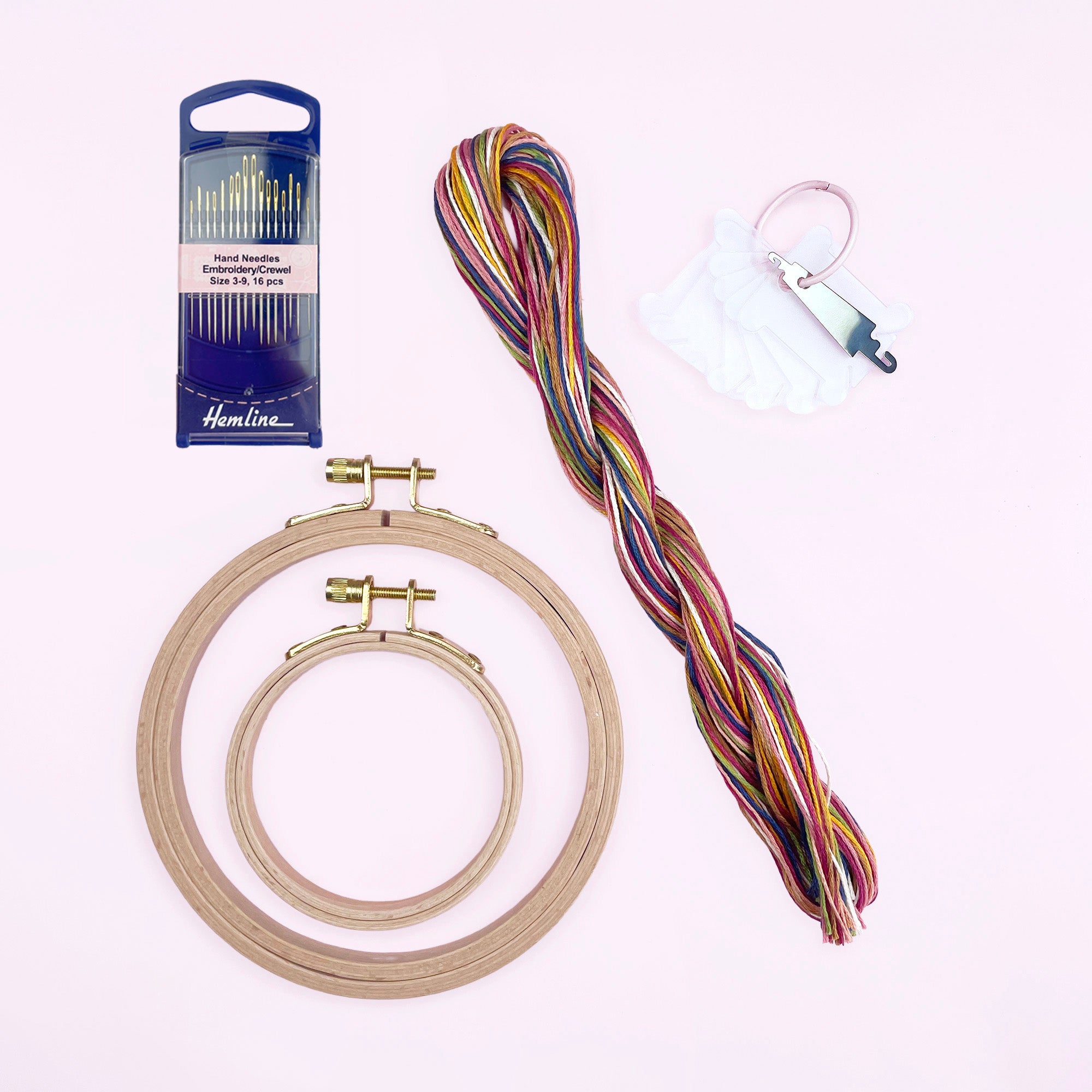
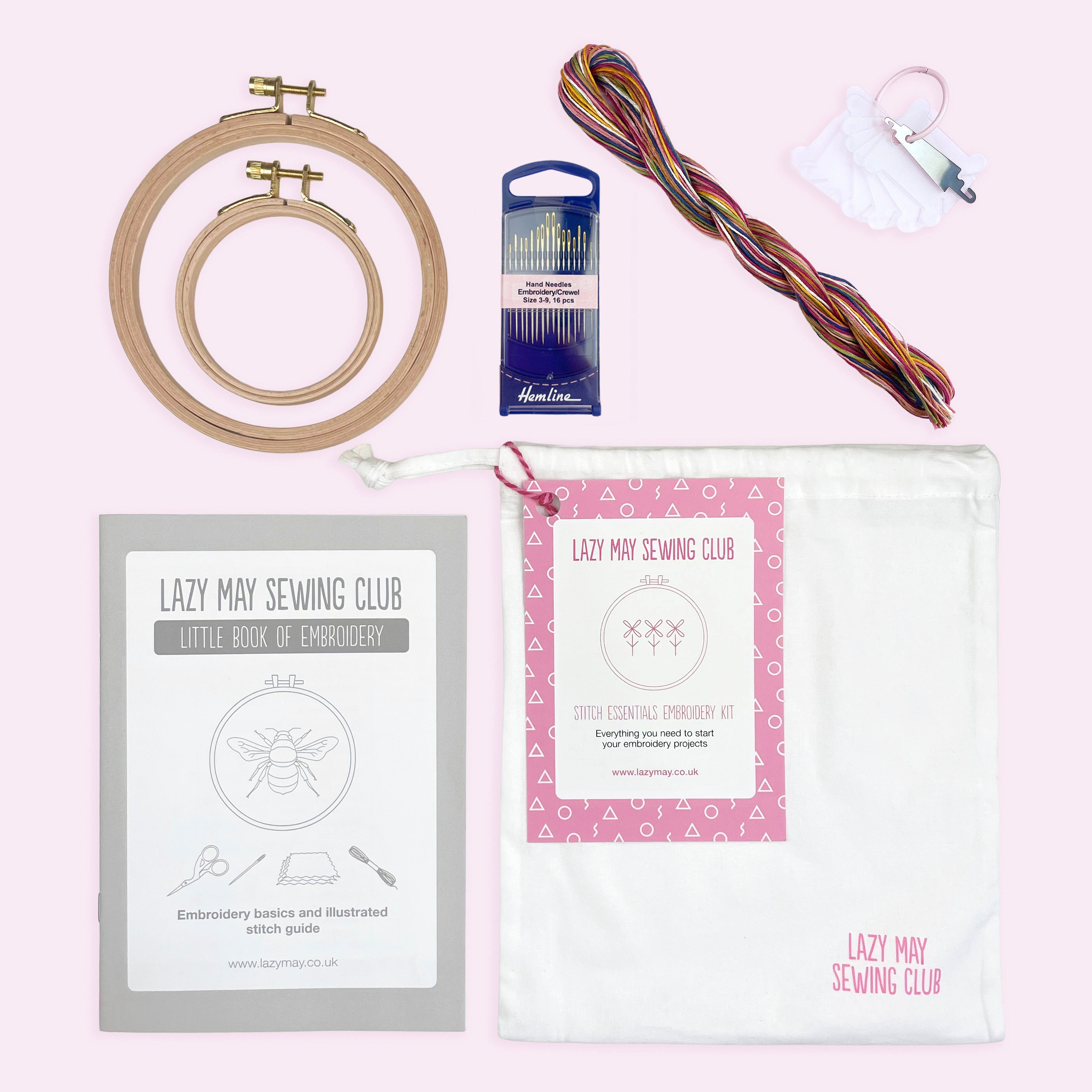
If you’d like to make something similar, these are the two bits I’d start with. The pattern gives you the design, and the starter set gives you the basics to get stitching.
What I used for this project?

Iron-On Embroidery Patterns: Leaf Themed Designs
£6.50

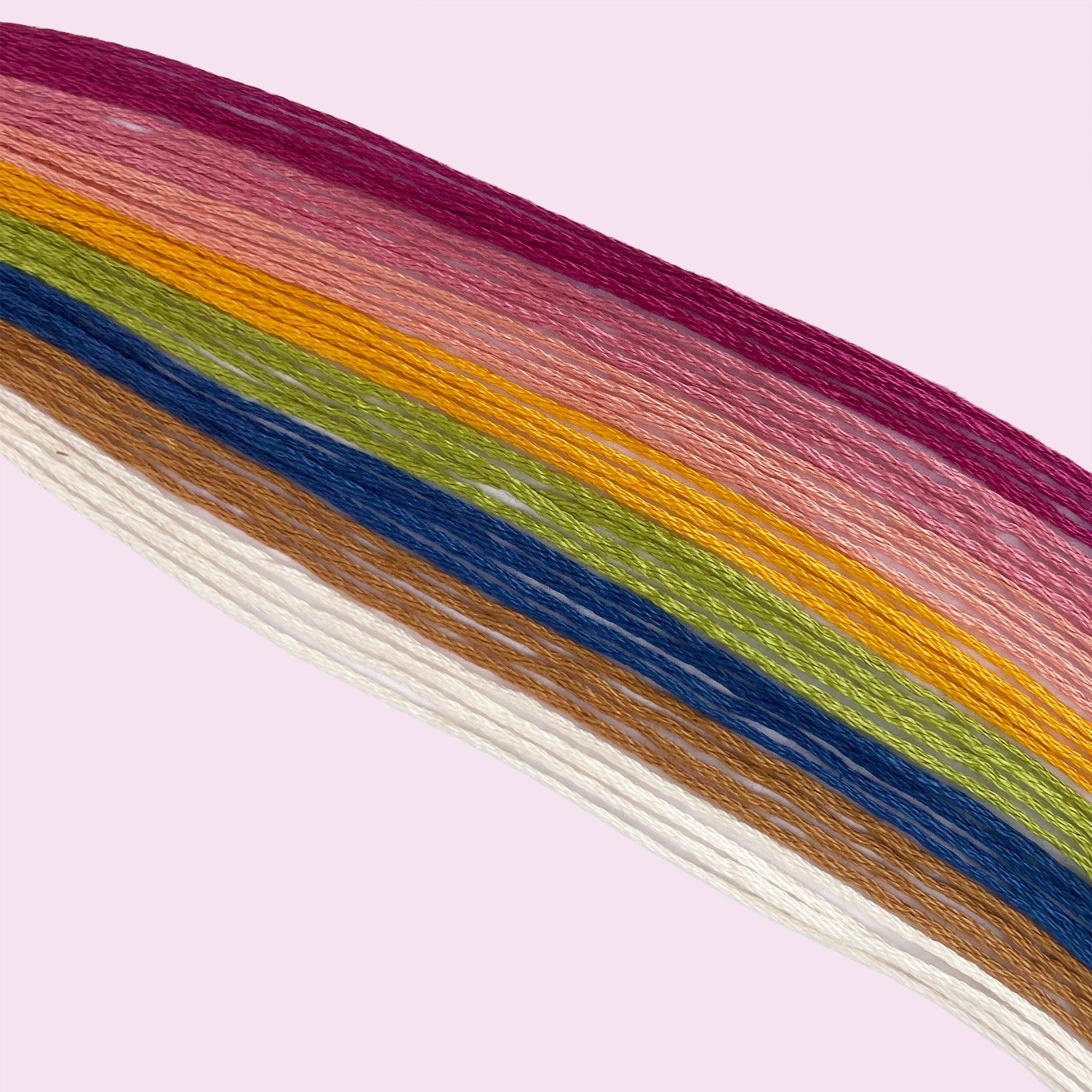
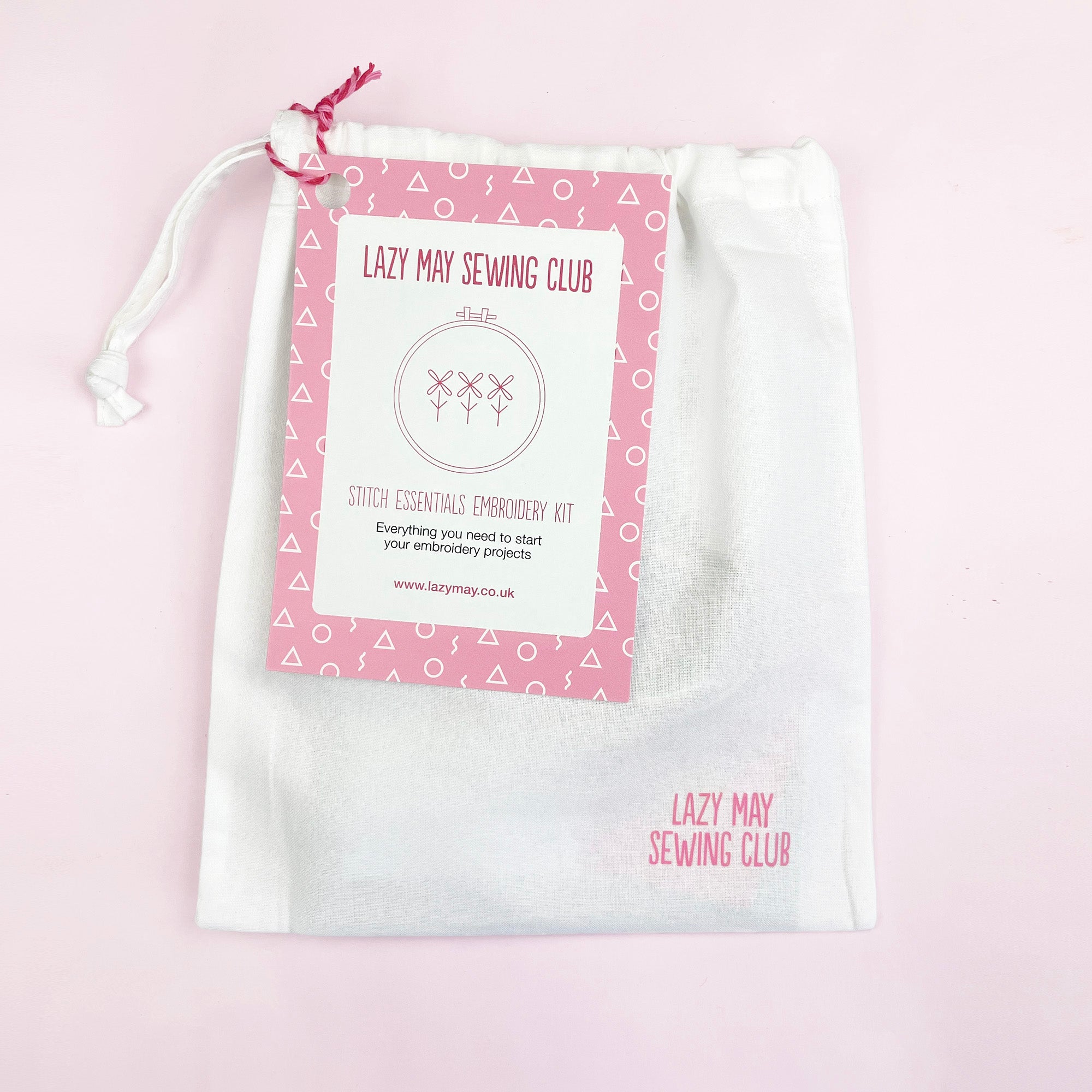
Embroidery Essentials Set: Natural Threads
£12.50
What you need to embroider a sweater
- Leaf Motifs iron-on embroidery patterns
- A 3" embroidery hoop
- Iron-on interfacing
- A sweater or sweatshirt
- Embroidery needle
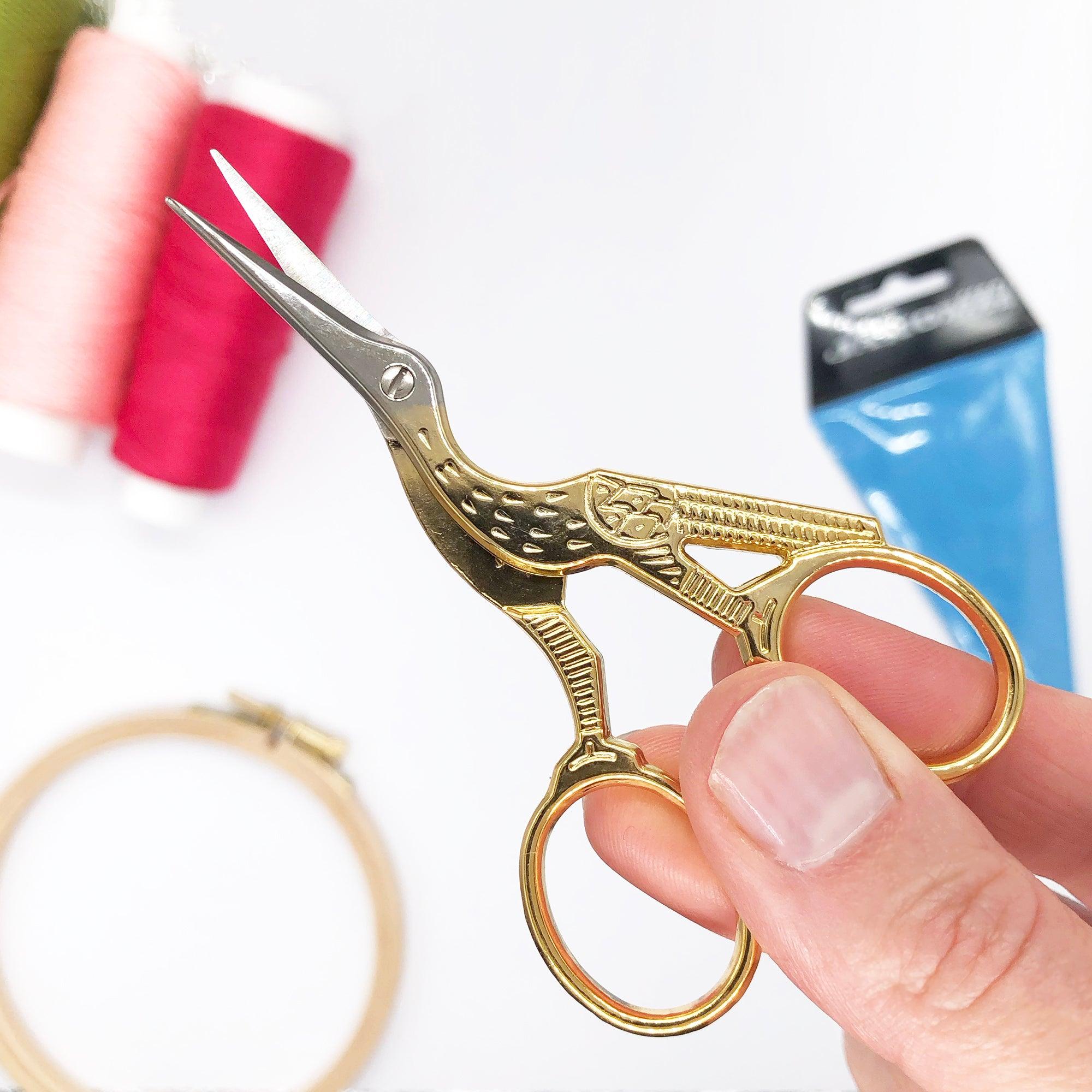
- Embroidery scissors
- An iron
- Embroidery thread in the following colours:
- Dark green: DMC 3345 or Madeira 1405
- Mint green: DMC 368 or Madeira 1310
- Bright green: DMC 936 or Madeira 1505
- Pink: DMC 223 or Madeira 812

How to embroider a sweater step by step
Step 1: Prepare the sweater
Cut a square of iron-on interfacing measuring roughly 12x12cm.
You’ll be stitching near the cuff on the right sleeve, on the opposite side to the seam. Turn your sweater inside out and iron the interfacing onto the back of this area. This helps support the stretchy fabric and makes it much easier to stitch neatly.
Once the interfacing is in place, turn the sweater right side out again.
Cut out the two leaf designs shown from the transfer sheet and follow the pack instructions to iron them onto the sleeve.
Iron the sweater first so the fabric is warm when you apply the transfer. Position the leaves so they slightly overlap and point down towards the cuff.


Step 2: Place the sleeve in the hoop
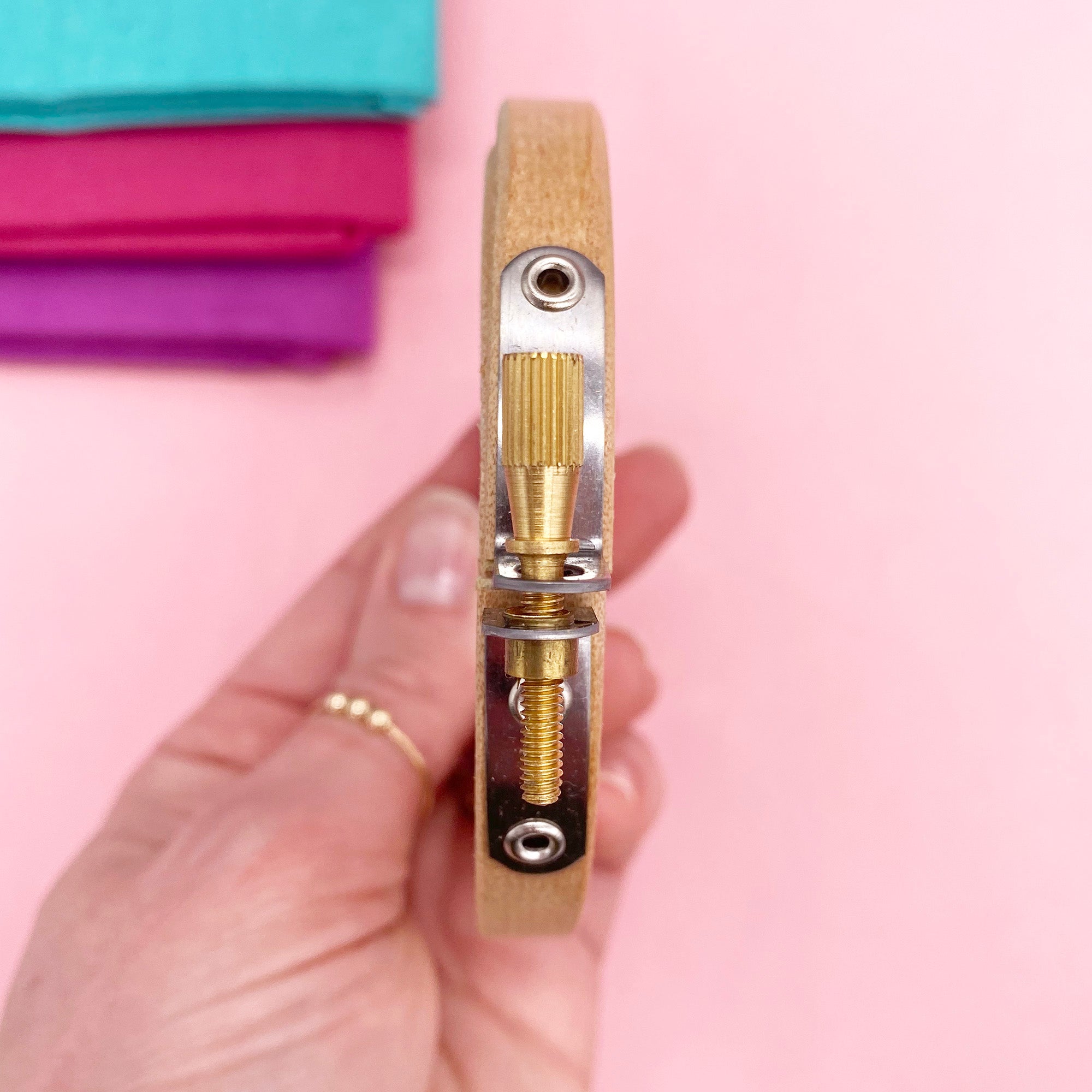
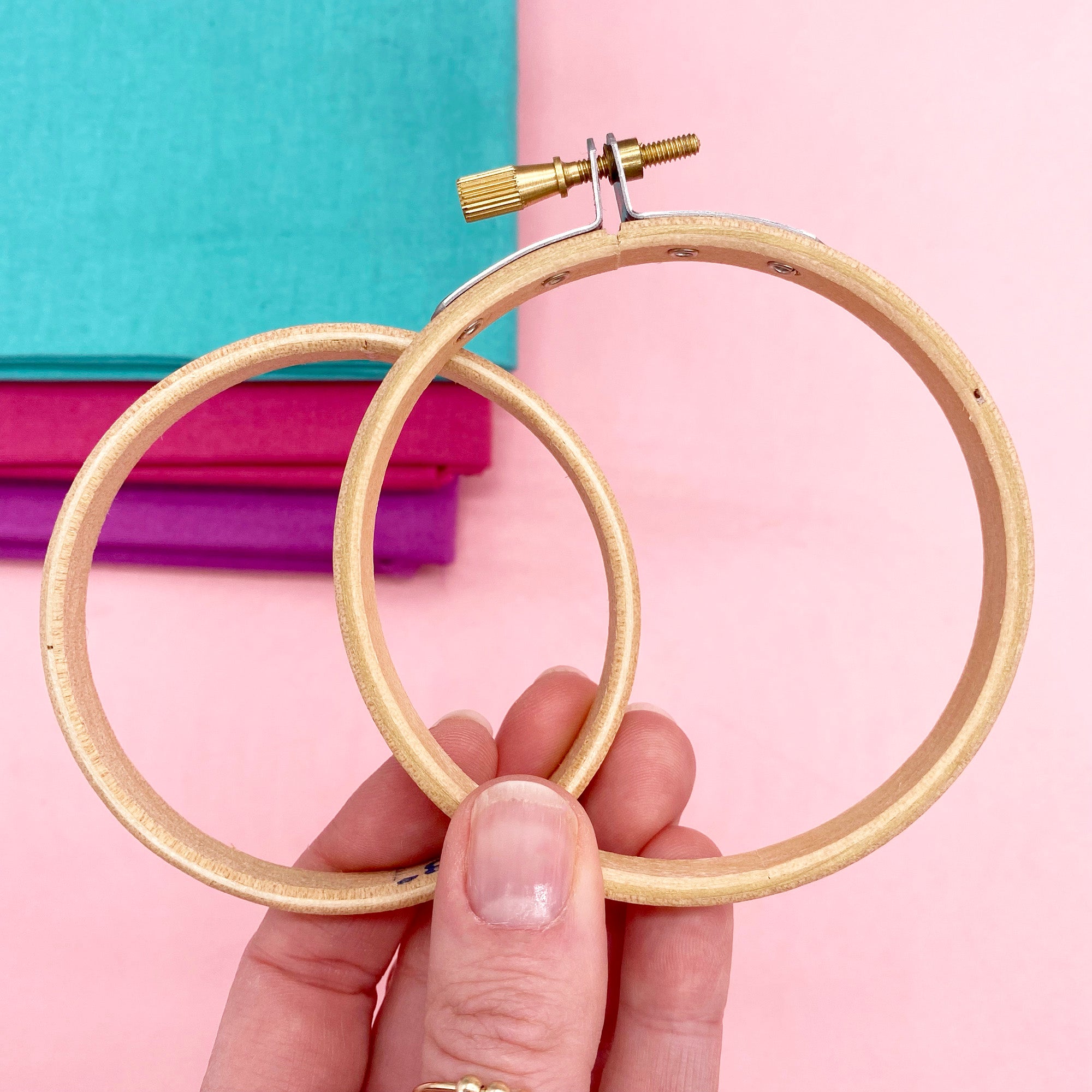
Slide the smaller inner ring of the hoop inside the sleeve, then fit the outer ring over the top. Pull the fabric so it is smooth and firm, then tighten the screw securely.
You probably won’t fit the whole design inside the hoop at once, so stitch the area you can see first, then move the hoop to finish the rest.
If you need a bit more help with this part, you can read my full guide to setting up an embroidery hoop.

Using iron-on embroidery patterns for clothes
Iron-on embroidery patterns are an easy way to add embroidery to clothes because the design is already in place for you. They’re especially useful for projects like this where you want a neat motif on a sleeve, cuff or neckline.
Shop the Leaf Motifs patternStep 3: Stitch the first stem
Cut an arm’s length of dark green thread and separate four strands from the six. Thread your needle and tie a knot in the end.
Start at the base of the larger leaf stem and stitch the line using split stitch. Continue until the full stem is covered.
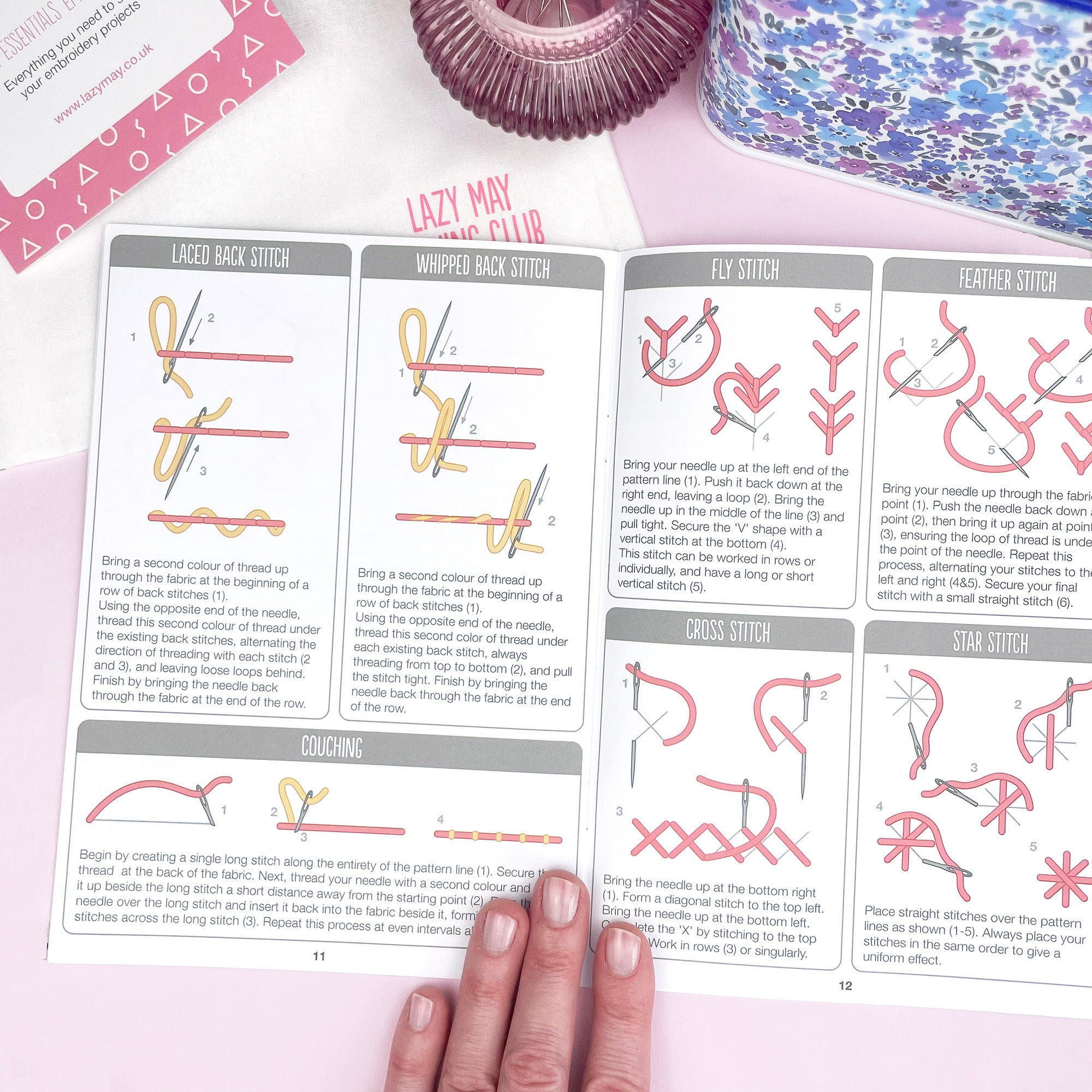
If you’re new to embroidery, you can also read my beginner’s embroidery guide and my full split stitch tutorial.

Step 4: Stitch the first set of leaves
Use three strands of mint green thread to stitch the leaves along the stem with leaf stitch.
This stitch gives the leaves a soft filled shape and works beautifully for botanical designs like this. You can see the stitch in action in the video below, or visit my leaf stitch guide for more detail.

Step 5: Stitch the second stem
Cut an arm’s length of pink thread and separate four strands. Stitch the second stem in the same way as the first using split stitch.
Work from the base upwards until the line is fully covered.

Step 6: Stitch the final leaves
The final set of leaves are stitched with lazy daisy stitch. Use three strands of bright green thread and place a single lazy daisy stitch over each leaf shape.
To make the leaves look fuller, add one extra straight stitch inside each one. This helps cover the sweater fabric and gives the finished leaf a plumper shape.
You can find the full method in my lazy daisy stitch guide.


Step 7: Finish the back neatly
Once you’ve finished stitching, remove the hoop and turn the sweater inside out. Trim away any loose thread ends neatly with scissors.
Finally, trim away any excess interfacing from the back, being careful not to cut the stitches.

Step 8: Enjoy your finished embroidered sweater
Your hand embroidered sweater is now finished and ready to wear.
To care for embroidered clothes, wash on a wool or delicate cycle and avoid tumble drying.

Tips for embroidering on clothes
- Use a jumper or sweatshirt with a bit of structure rather than a very thin knit.
- Always back stretchy fabric with interfacing or stabiliser before stitching.
- Keep the fabric smooth in the hoop, but don’t overstretch it.
- Try not to pull your stitches too tightly, especially on knit fabric.
- Simple motifs work beautifully on cuffs, sleeves, collars and pockets.
FAQs about how to embroider a sweater
Can you embroider on a sweater?
Yes, you can embroider on a sweater by hand. It works best if you support the area first with interfacing or stabiliser, especially if the fabric has stretch.
Do you need interfacing for sweater embroidery?
It’s a very good idea. Interfacing helps stabilise the fabric, makes stitching easier and reduces puckering.
What kind of sweater is best for embroidery?
Sweatshirts, jumpers and other slightly thicker fabrics are usually easiest. Very fine or loosely knitted fabrics can be trickier to stitch on neatly.
Can beginners embroider clothes?
Yes. Choosing a simple motif and using iron-on embroidery patterns makes it much easier for beginners to add embroidery to clothes.
What is the easiest way to add embroidery to clothes?
One of the easiest ways is to use an iron-on embroidery pattern. The design is transferred onto the fabric first, so you can focus on the stitching rather than drawing the motif yourself.
How do you wash a hand embroidered sweater?
Wash on a delicate or wool cycle and leave it to air dry. Avoid tumble drying to help protect both the stitches and the fabric.
More embroidery guides to help with this project
If you’d like a bit more help while stitching, these guides are a good next step: