How to Embroider a Sweater Sleeve with Cross Stitch
If you have ever wondered how to embroider a sweater, this is a really lovely place to start. This little stitched patch was added to a sweater sleeve using one of my Slow Stitching Texture stick and stitch embroidery patterns and stitched with colourful cross stitches. In this case, it also helped cover and reinforce a small hole, but the same idea works just as well if you simply want to add a bit of decorative embroidery to your clothes.
It is an easy, satisfying project and a nice way to give an old jumper, cardigan or sweatshirt a new lease of life. This version was stitched on jersey, but the same method would work beautifully on knitwear too.

What you will need
This is everything you need to recreate this exact sweater sleeve project.
- a sweater, jumper or sweatshirt
- a stick and stitch embroidery pattern
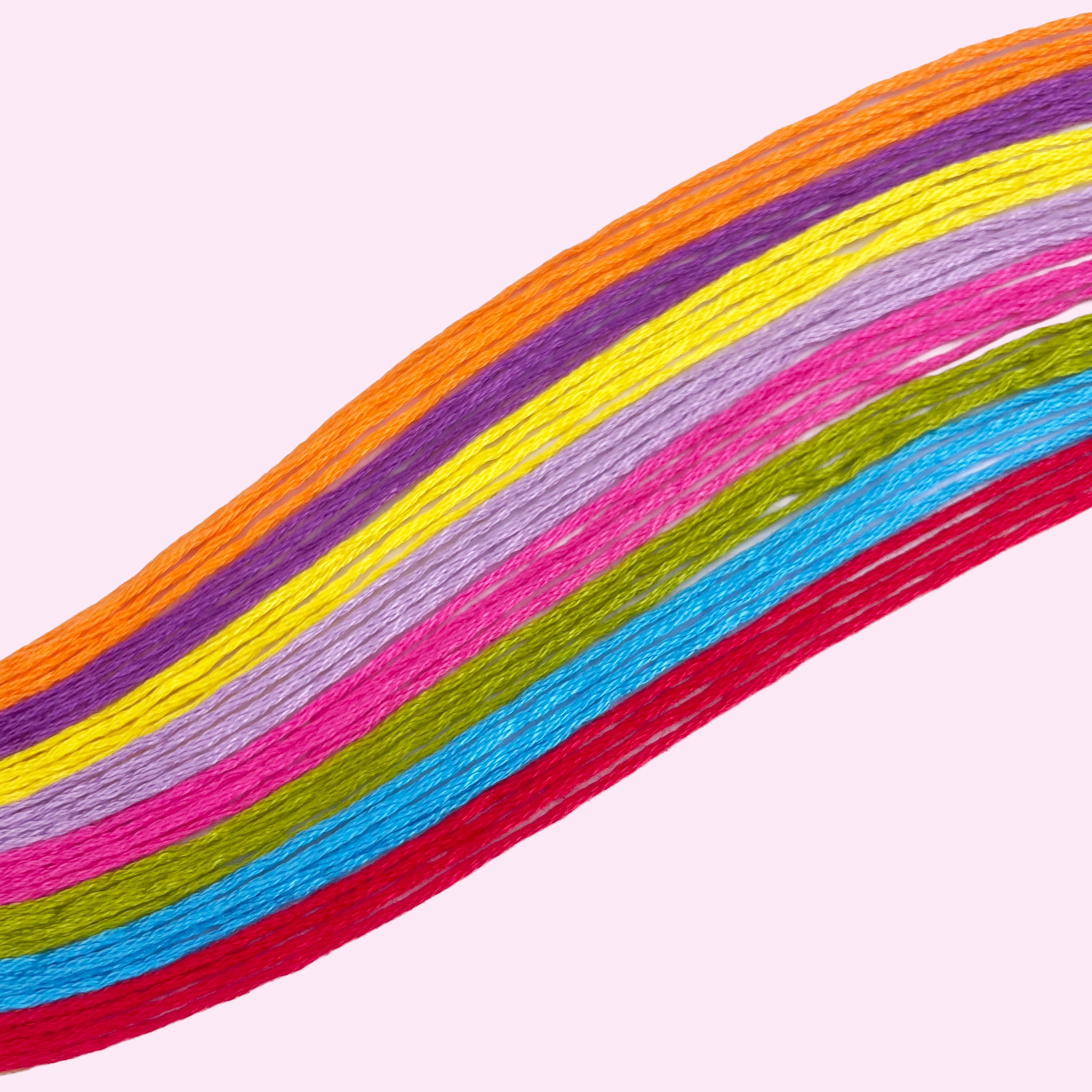
- embroidery thread (see below for colours)
- an embroidery needle
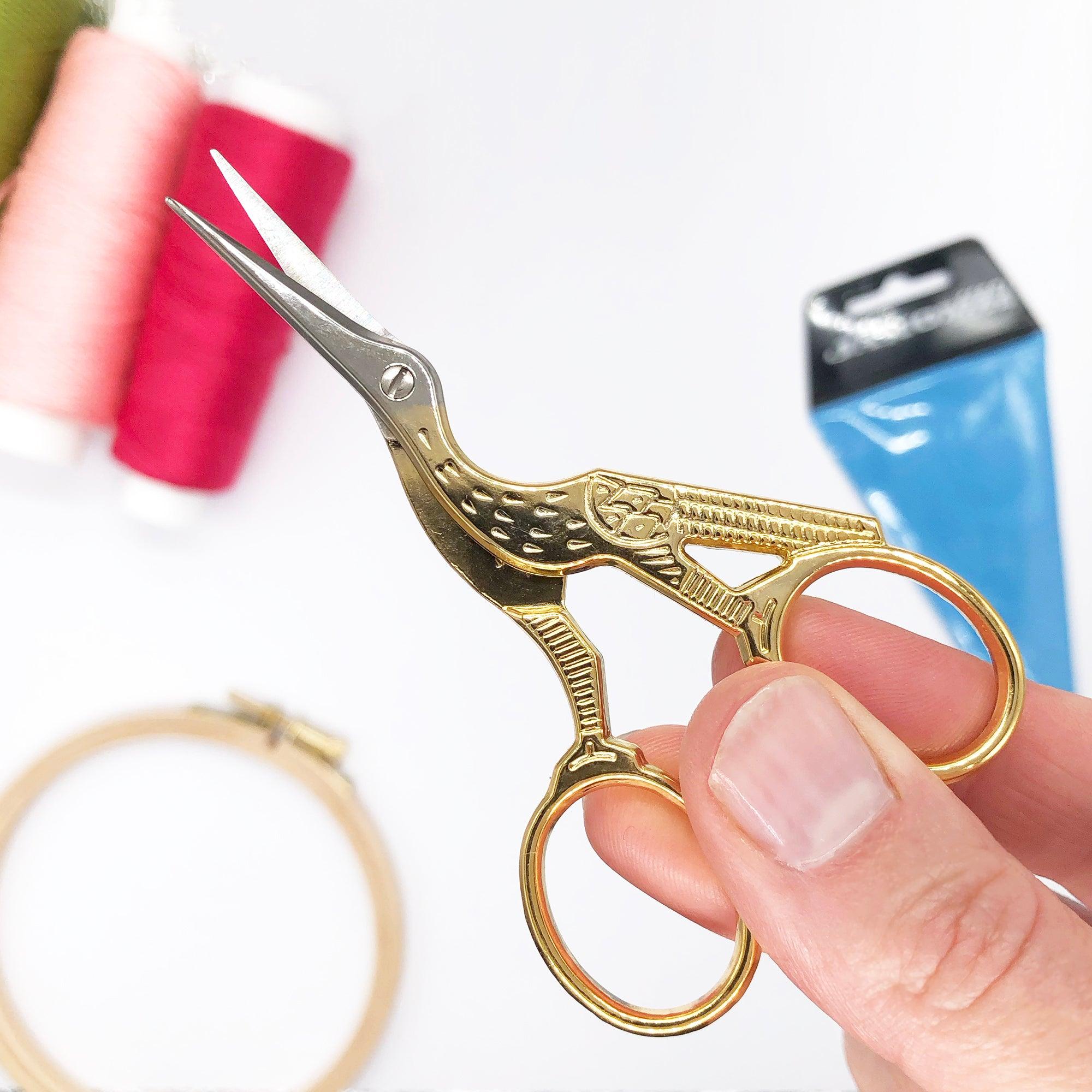
- small embroidery scissors
Optional:
- a small piece of stabiliser or scrap fabric if you are covering a larger hole or weak area
- iron-on interfacing to cover the back once your stitching is finished
What you’ll need for this project
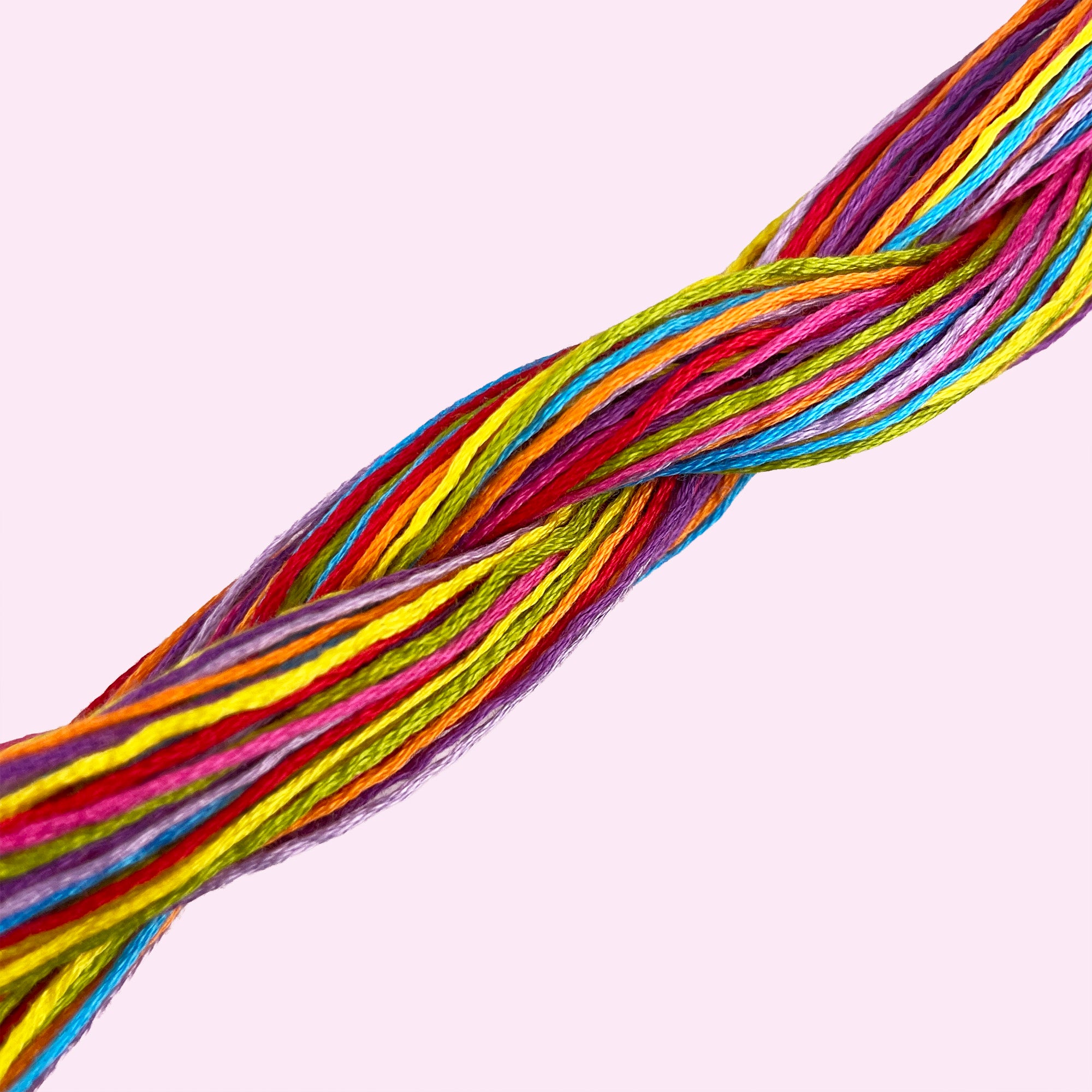
If you’d like to make this embroidered sweater sleeve yourself, these are the exact bits I’d start with. The stick and stitch pattern gives you the design, and the bright thread set gives you a ready-to-go mix of colourful shades for stitching on clothes.


Thread colours used
I used six shades for this project, they are:
| Colour | DMC | Anchor | Madeira |
|---|---|---|---|
| Blue | 3848 | 1074 | 1109 |
| Yellow | 743 | 302 | 113 |
| Burgundy | 3803 | 1028 | 2609 |
| Pink | 3805 | 63 | 0702 |
| Green | 907 | 255 | 1410 |
| Purple | 3802 | 108 | 802 |
How to embroider a sweater sleeve step by step
1. Choose where you want the embroidery to go
I stitched this design onto the sleeve, which is a great place for a small patch of embroidery. It adds interest to the sweater without needing a big design, and it also works well if you are covering a small hole or worn spot.
2. Support the fabric if needed
This step is optional. If you are stitching over a larger hole or a weak area, place a small piece of stabiliser or scrap fabric behind the area on the inside of the sweater. This helps strengthen the fabric and gives your stitches something to sit on.
For a small decorative project, or if you are only covering a tiny worn spot, you may not need to do this at all.
3. Stick the pattern in place
Peel off the stick and stitch pattern and press it onto the sleeve where you want the design to sit. This is one of the reasons I love this method for clothes. The pattern stays put while you stitch, which makes it much easier to work on a textured or stretchy surface.

4. Stitch the design in cross stitch
Work over the printed design using cross stitch, building up the pattern one small section at a time. Because this design is made up of repeated crosses, it is a really relaxing one to stitch and a good project for beginners too. The pattern patch is a 6 × 6 grid of crosses. I stitched one cross of each colour randomly in every row.
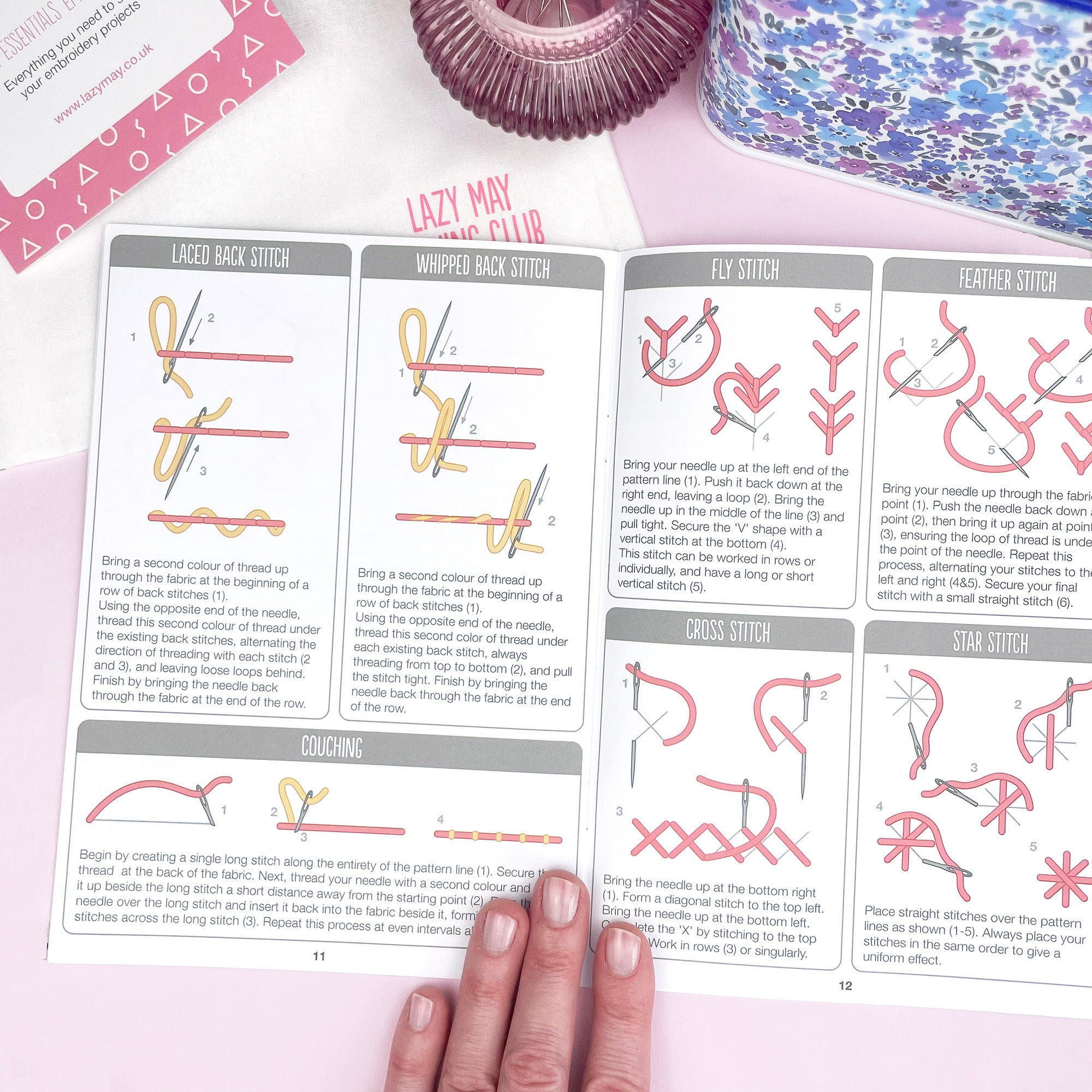
If you are new to this stitch, have a look at my cross stitch guide here before you begin.

5. Wash away the pattern
Once the stitching is finished, you rinse or soak the area in water to dissolve the stick and stitch pattern, you may need to rub gently to remove the pattern completely. Then leave the sweater to dry flat.

6. Add iron-on interfacing to the back
Once everything is dry, I would recommend ironing a piece of iron-on interfacing onto the back of the embroidery. This helps protect the stitches so they are less likely to catch and pull, and it also makes the finished area more comfortable to wear against the skin. Simply turn the sweater inside out and iron a piece of light interfacing over the back of your stitches, the interfacing should be slightly larger than your finished embroidery.
This is especially worth doing on a sweater or sweatshirt where the back of the stitching will be rubbing against your arm as you wear it.
Tips for embroidering a sweater
Although this version was stitched on jersey, the same approach works really well on knitwear too. The main thing is to work gently and avoid pulling your stitches too tightly.
- keep your stitches neat, but do not pull them too tight
- support the fabric if there is a larger hole or weak area underneath
- choose thread colours with good contrast if you want the stitching to stand out
- start with a small area like a sleeve, cuff or pocket
- finish the back with iron-on interfacing so the stitches are protected
- use a pattern that stays in place while you work, especially on stretchy fabric
If you are wondering how to embroider on knitwear, starting with a small motif like this is a good way to get used to the fabric without taking on a big project.
Need help with the stitch?
If you are new to cross stitch or just want a quick refresher, I have a simple step-by-step guide here.
Final thoughts
If you have been wanting to try how to embroider a sweater, a sleeve is a lovely place to begin. This sort of small project is quick to stitch, beginner-friendly and a really satisfying way to personalise your clothes.
This sample was stitched on jersey, but the same method works beautifully on knitwear too. Whether you are adding a decorative patch or covering a small hole, it is a simple way to add embroidery to clothes and turn an everyday garment into something a bit more special.
If you fancy trying it for yourself, you can use the same Slow Stitching Texture stick and stitch pattern I used here, and if you need help with the stitch itself you can find my cross stitch tutorial here.