How to Cross Stitch: Easy Step-by-Step for Beginners
Cross stitch is one of the easiest embroidery techniques to learn. Using simple X-shaped stitches, you can build colourful designs one square at a time. This beginner guide shows you how to cross stitch step by step, from threading your needle to reading a chart and finishing your first project.
If you are new to cross stitching, starting with a small project is often the easiest way to build confidence. A mini cross stitch kit or a simple beginner pattern can help you get used to the technique without feeling overwhelmed.

What do you need to start cross stitch?
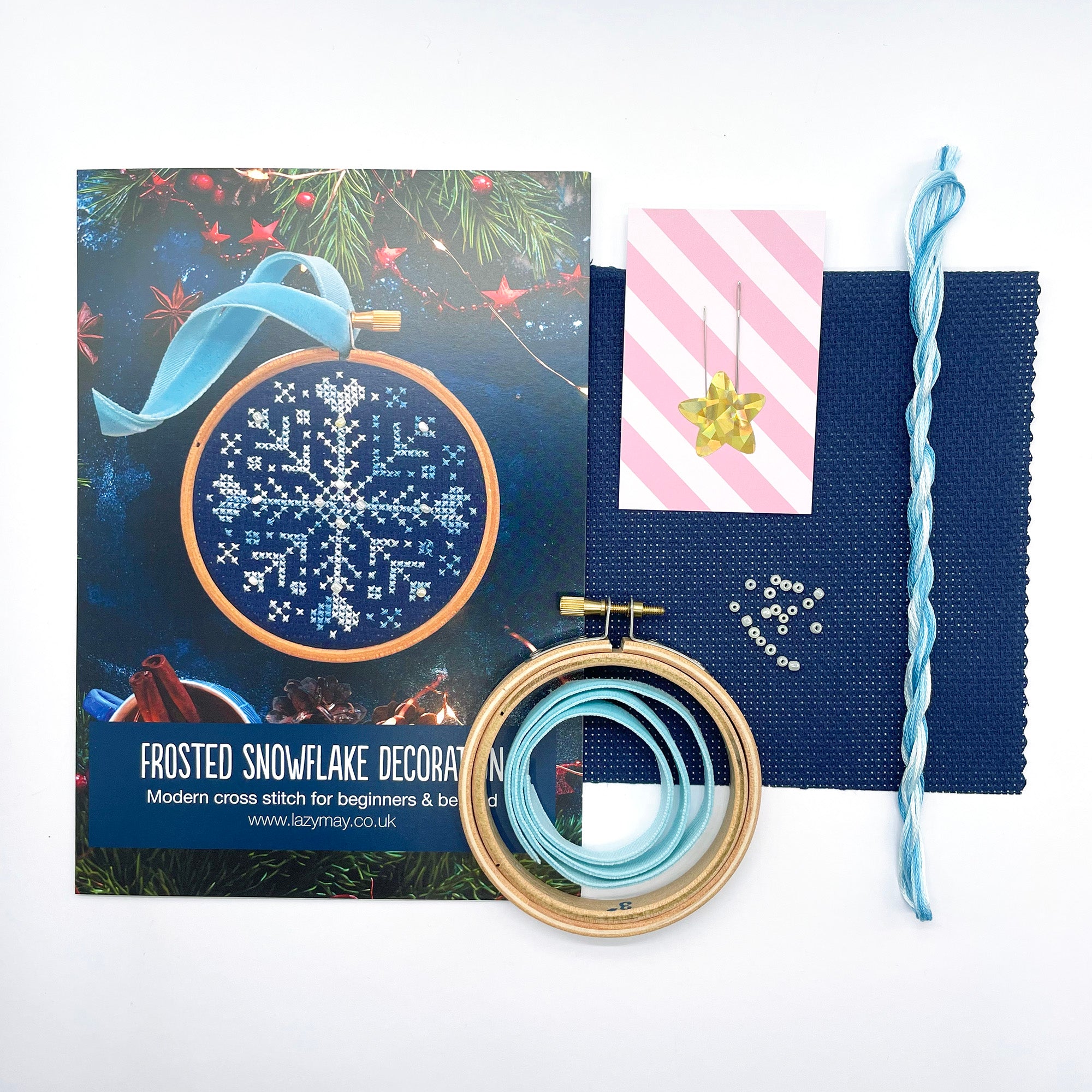
You only need a few basic supplies to get started with cross stitch:
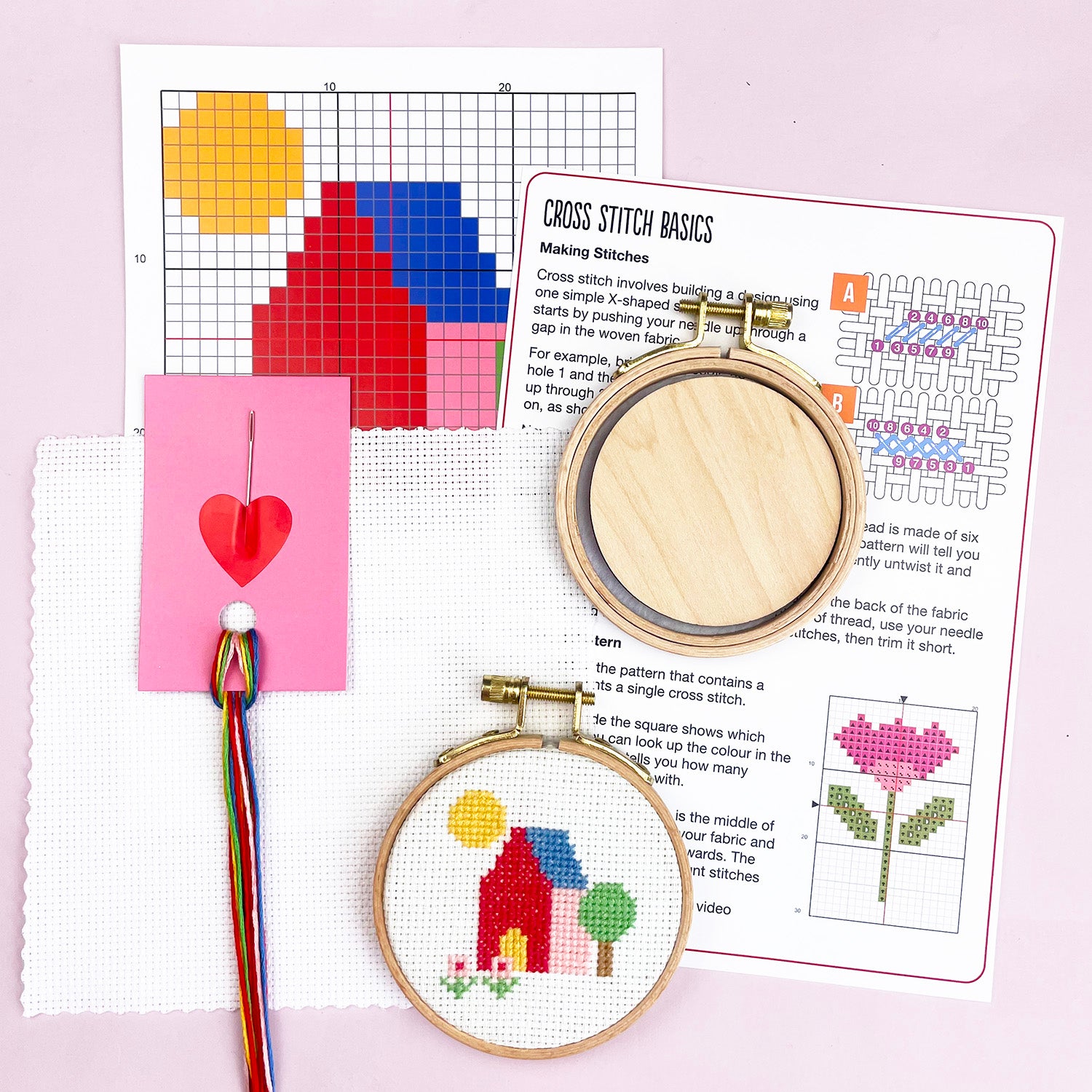
- Aida fabric (Aida fabric is a woven fabric with evenly spaced holes, making it easy to see where to place each stitch.)
- Embroidery thread
- A cross stitch needle
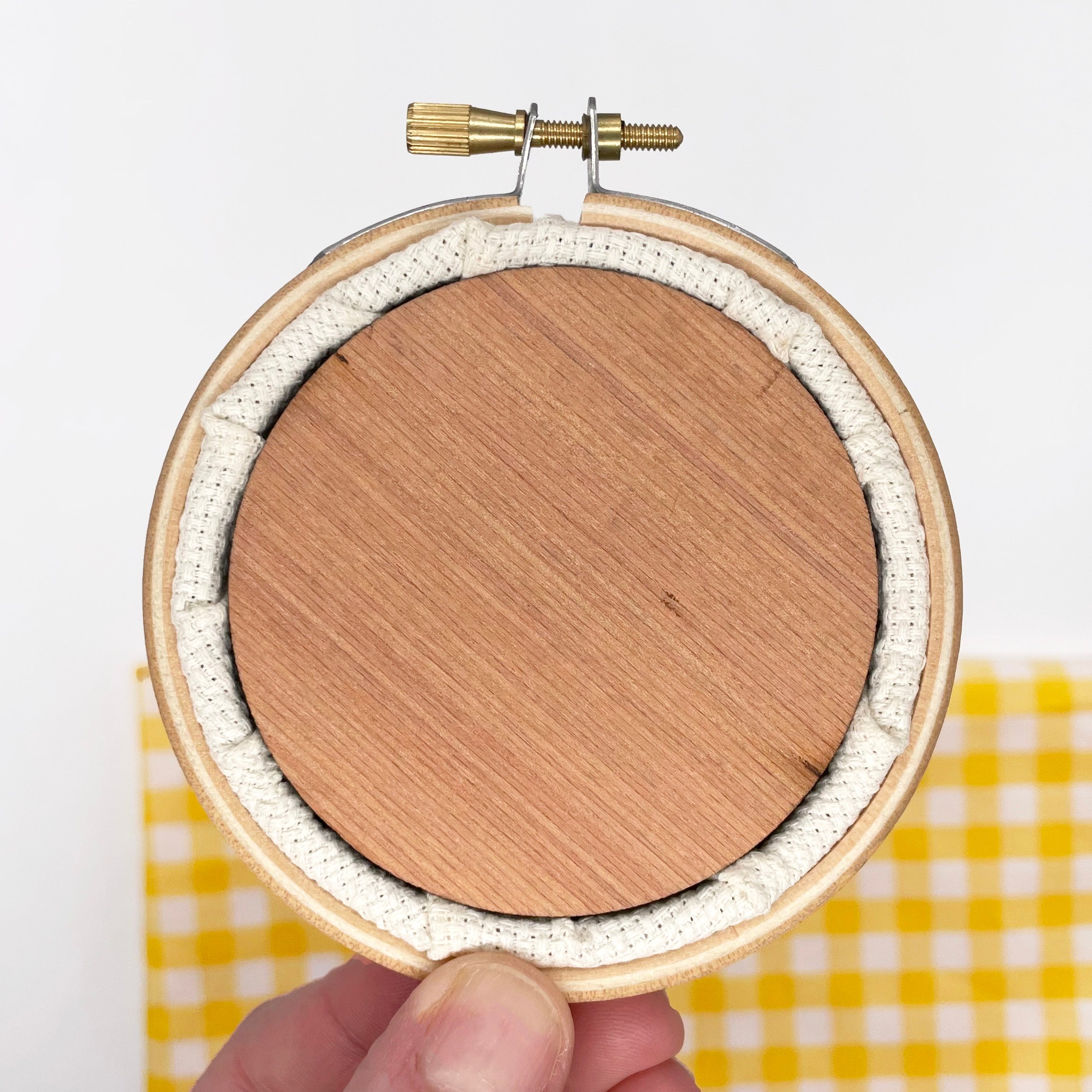
- An embroidery hoop (optional)
- Small scissors
- A chart or pattern
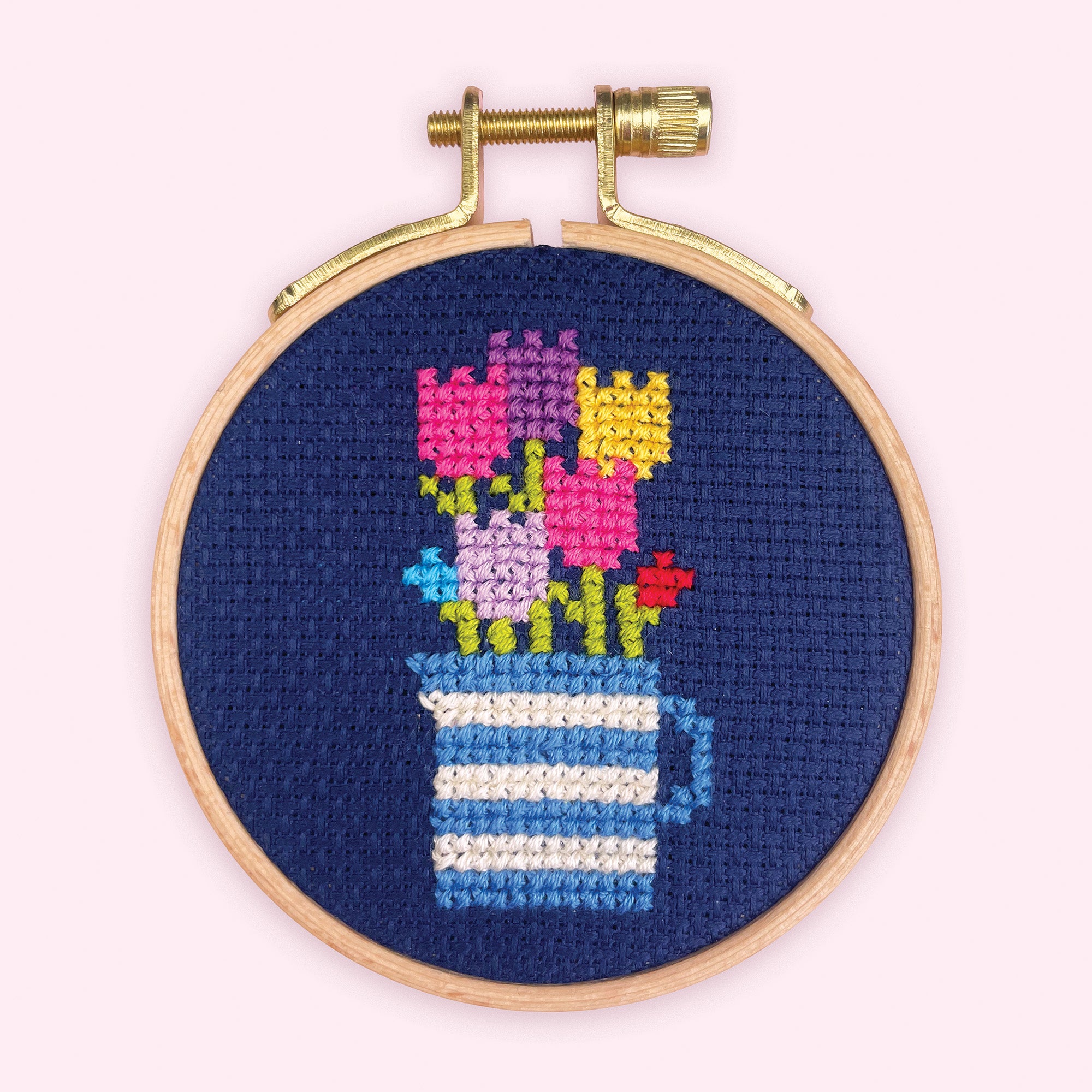
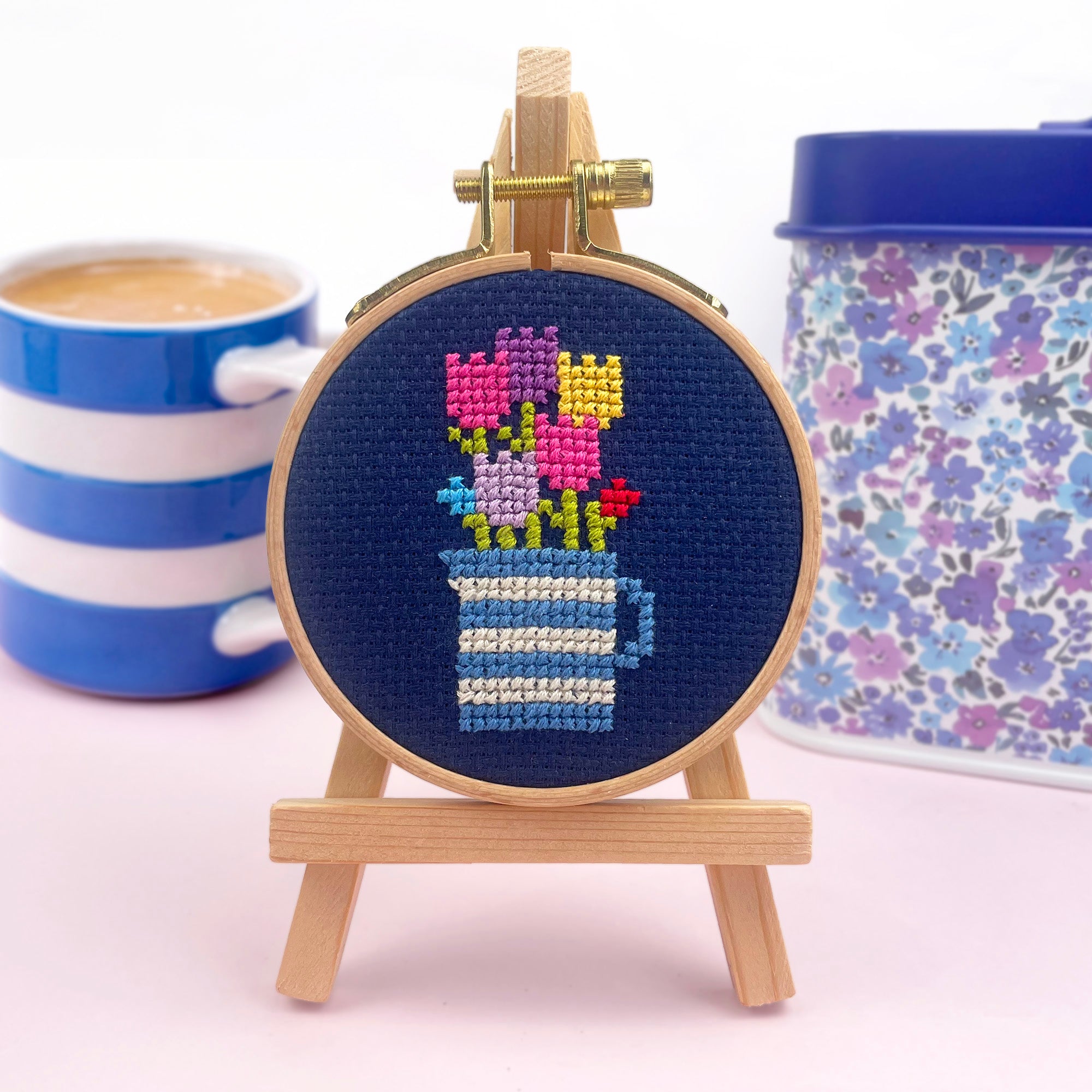
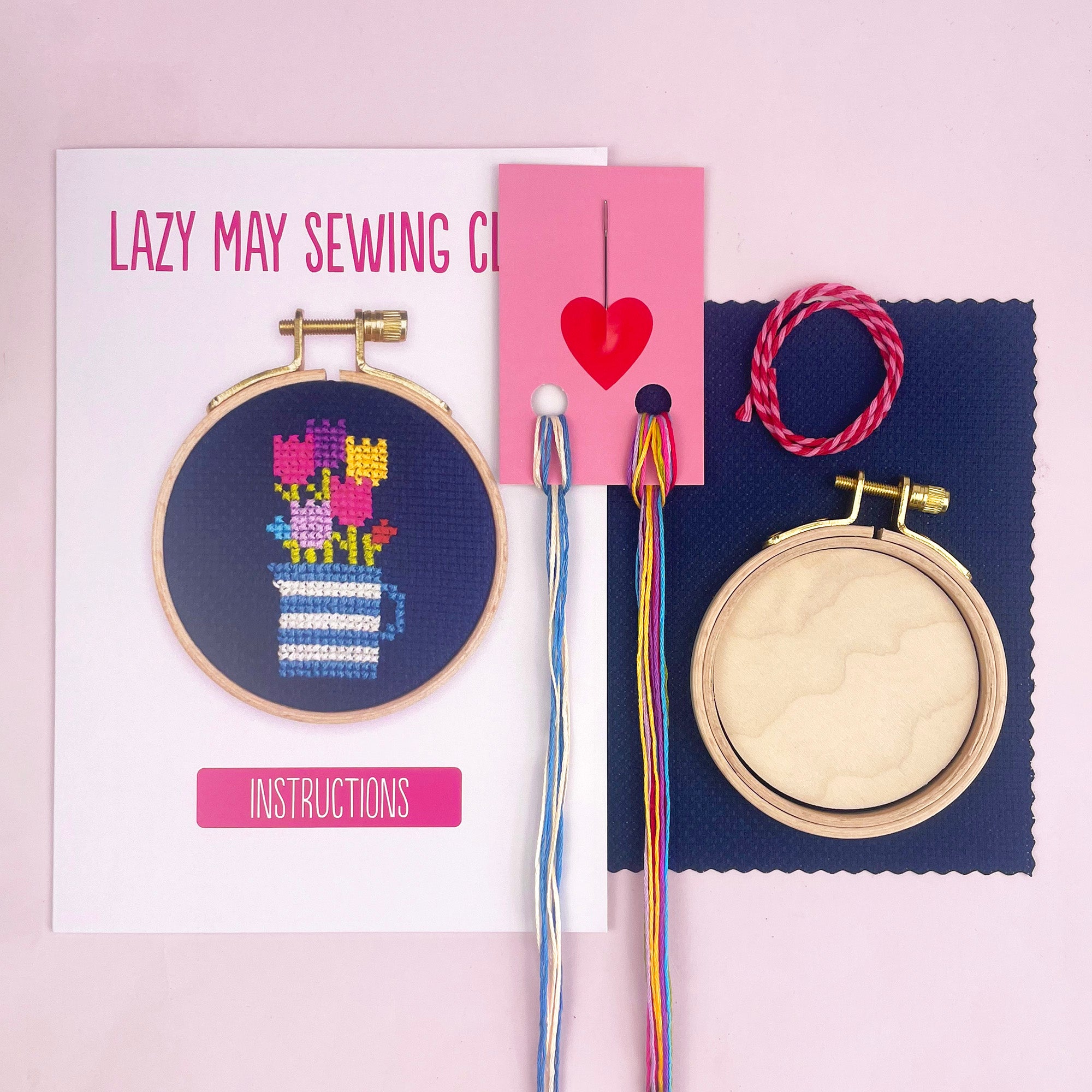
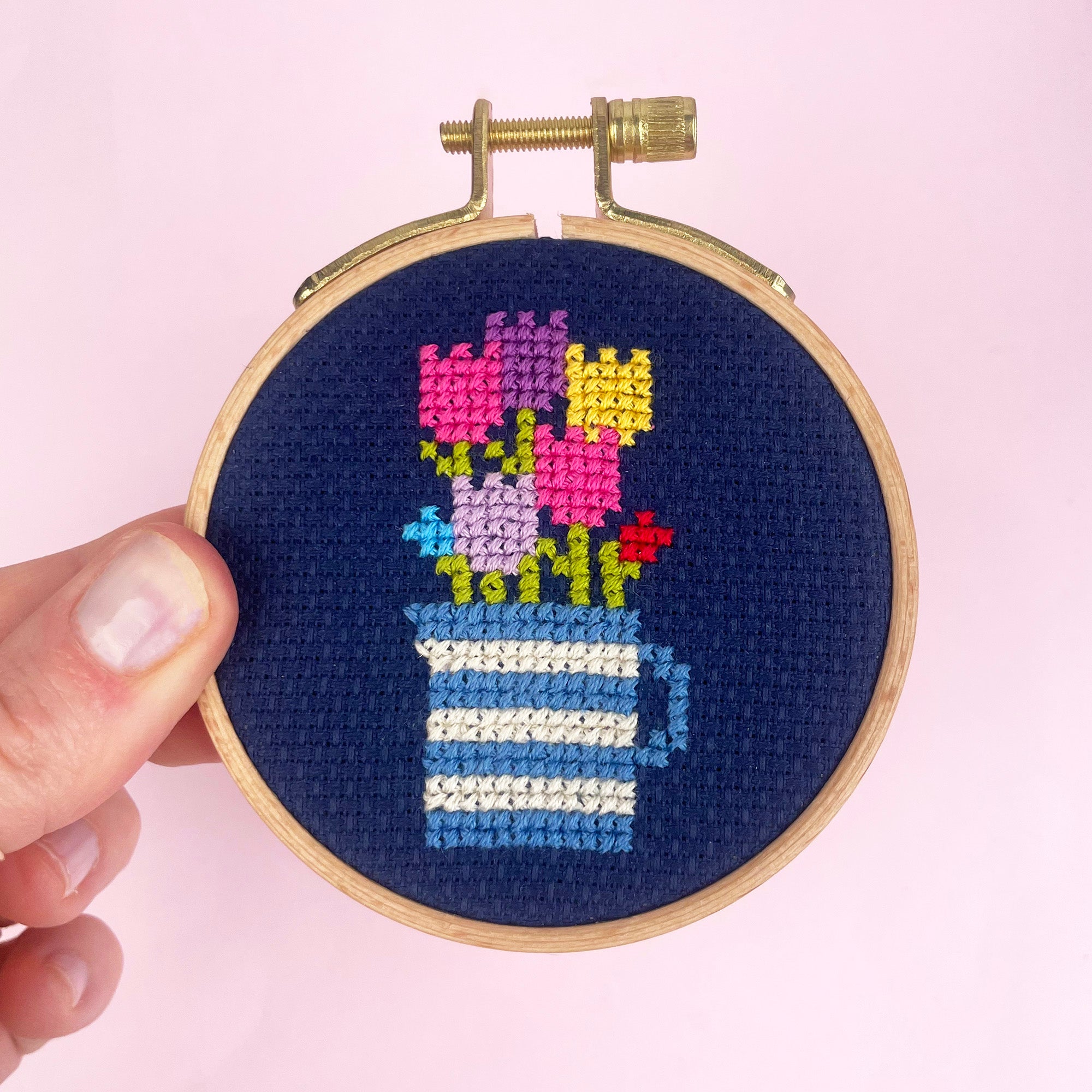
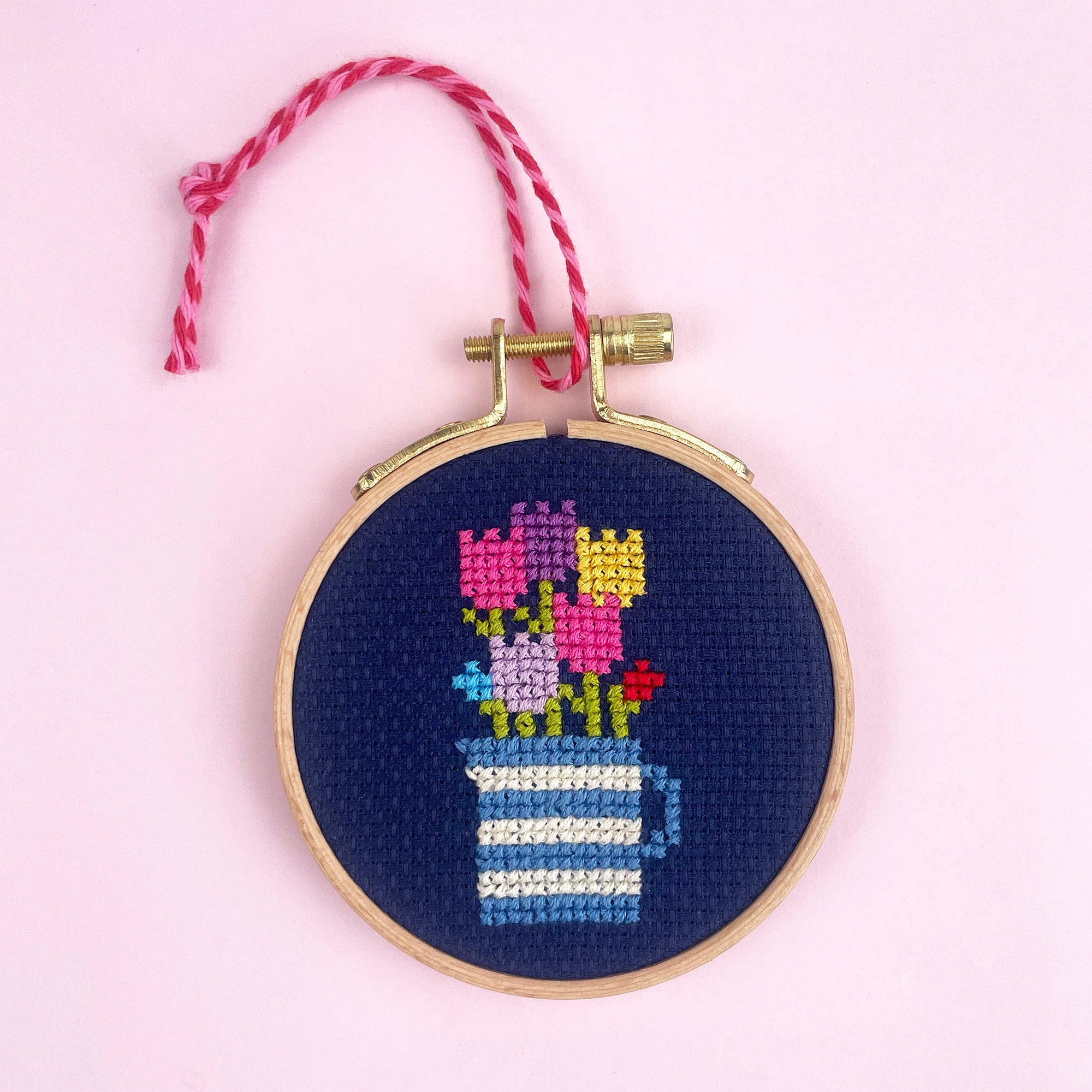
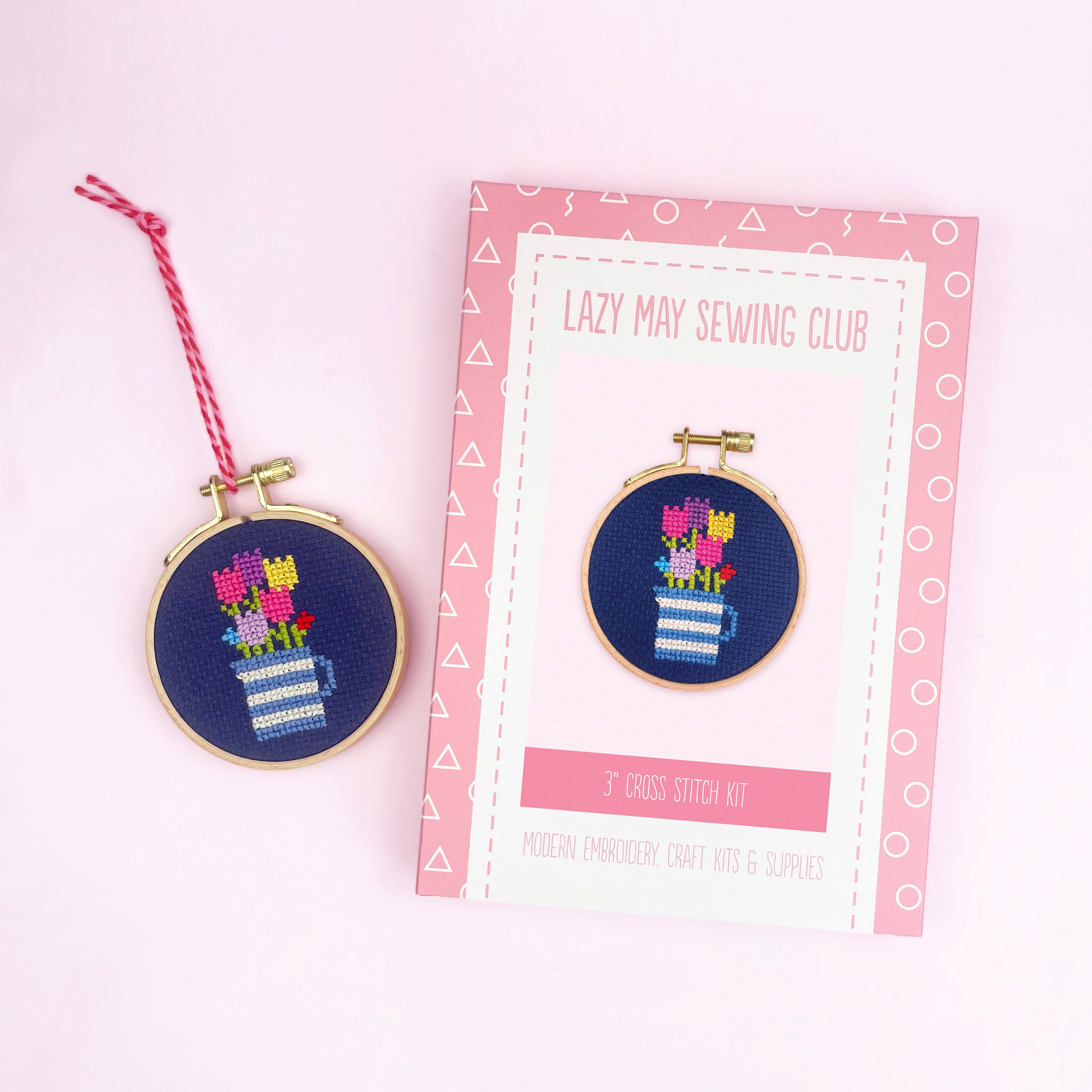
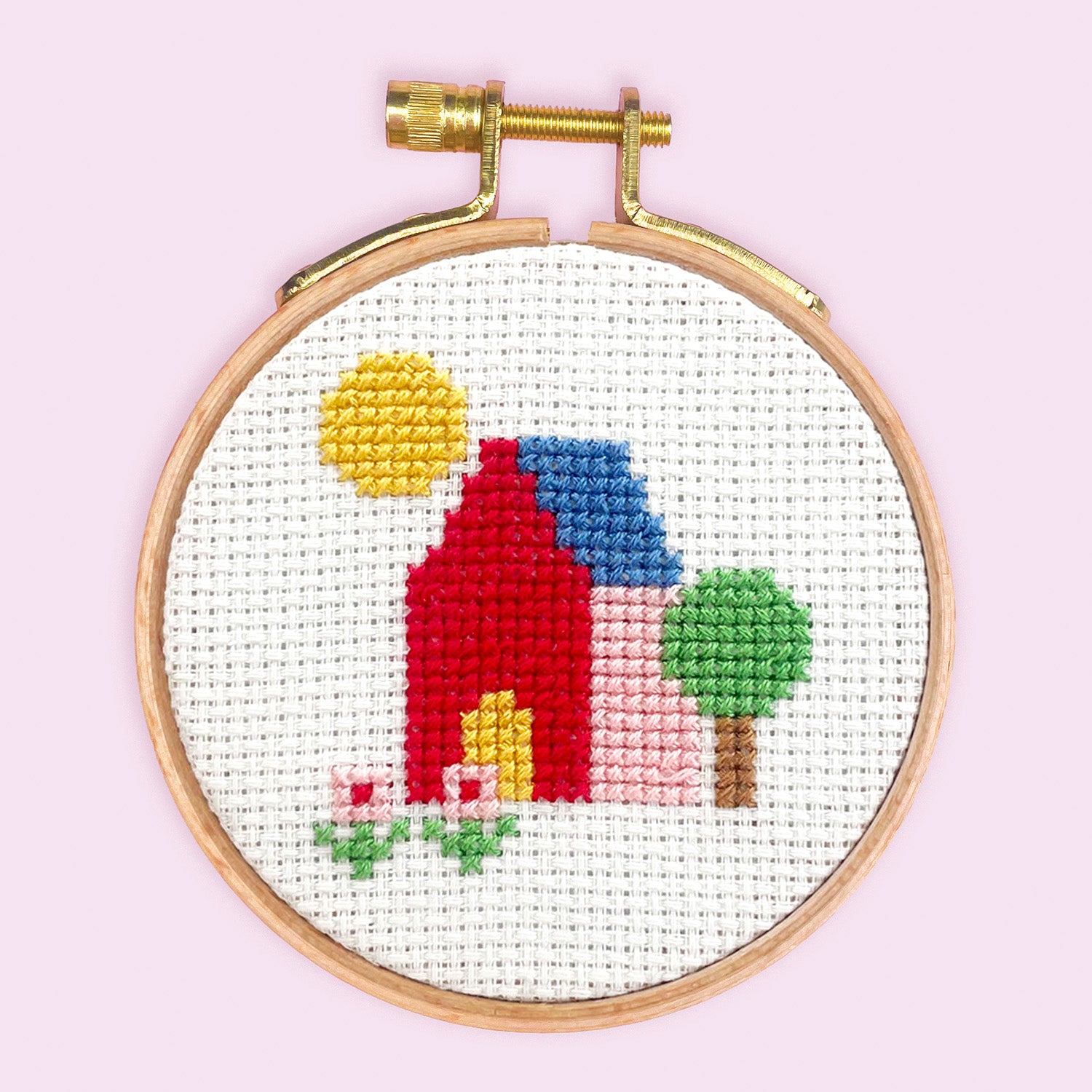
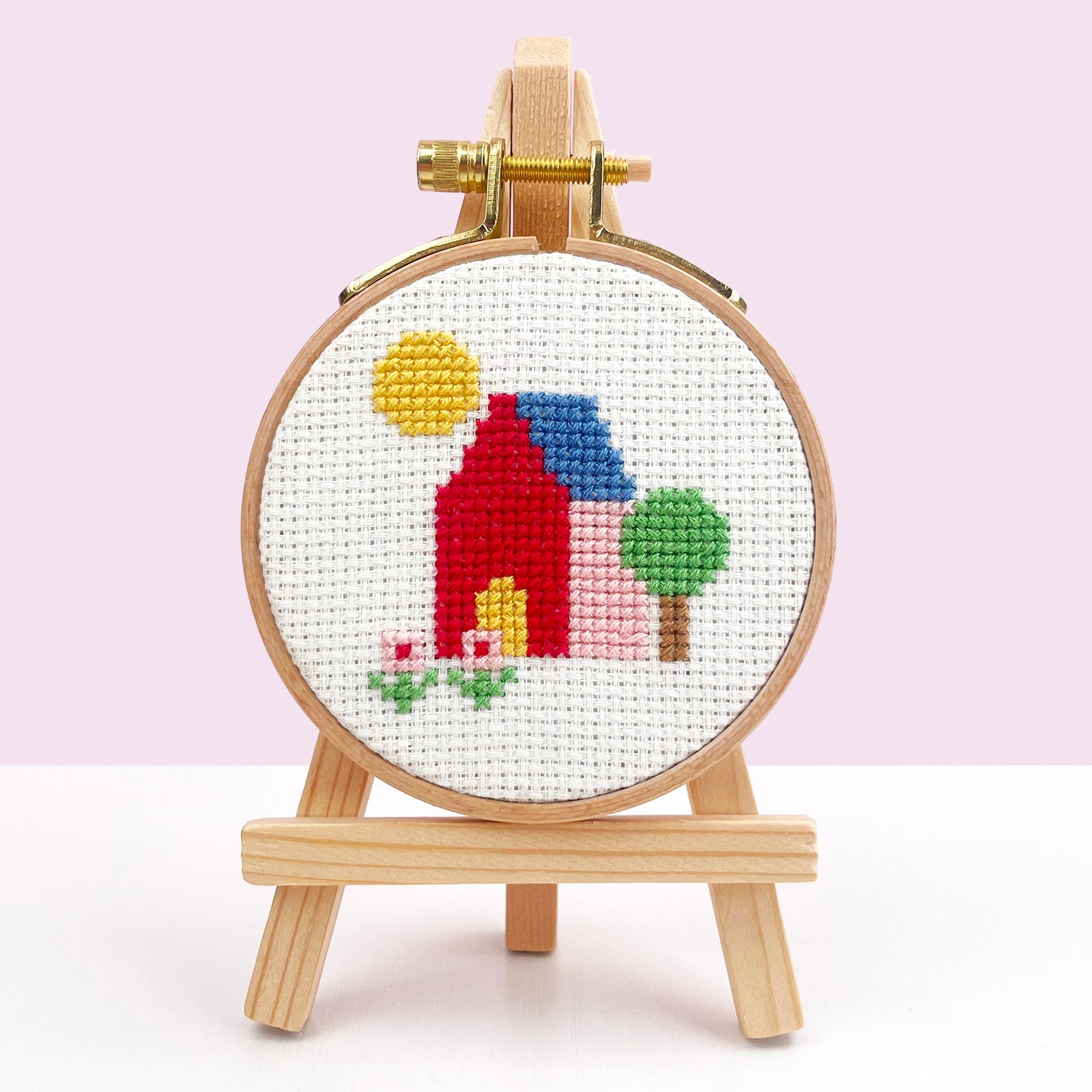
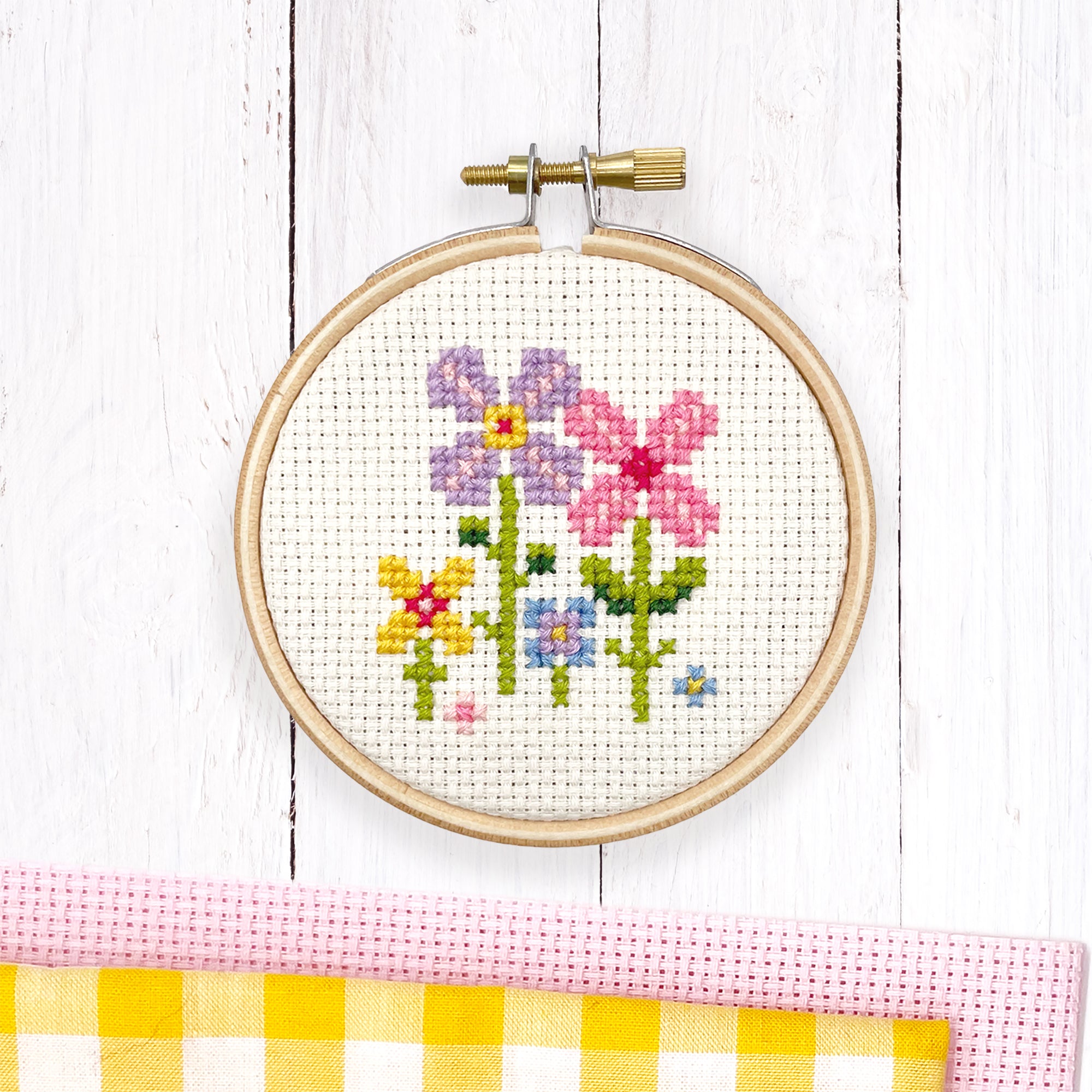
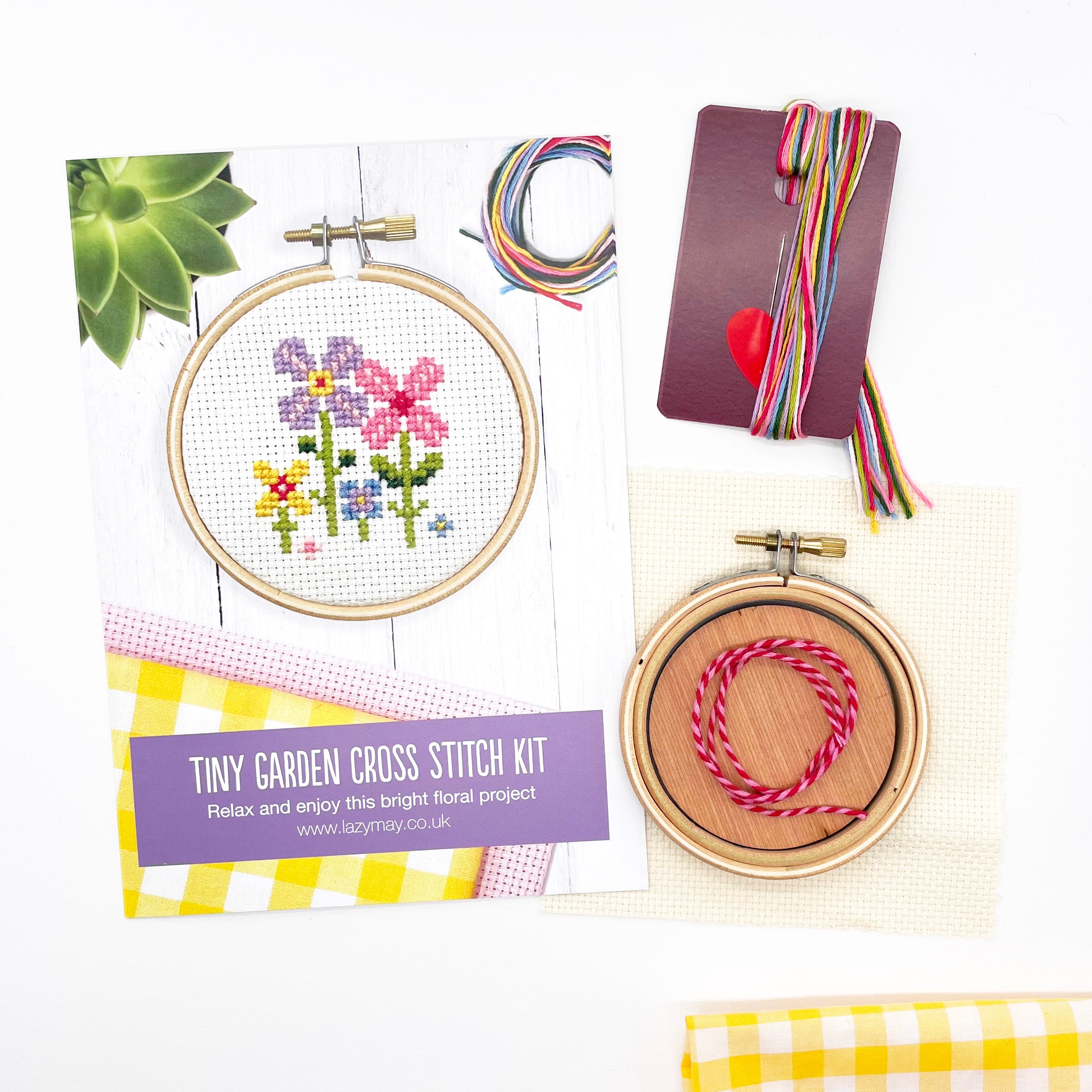
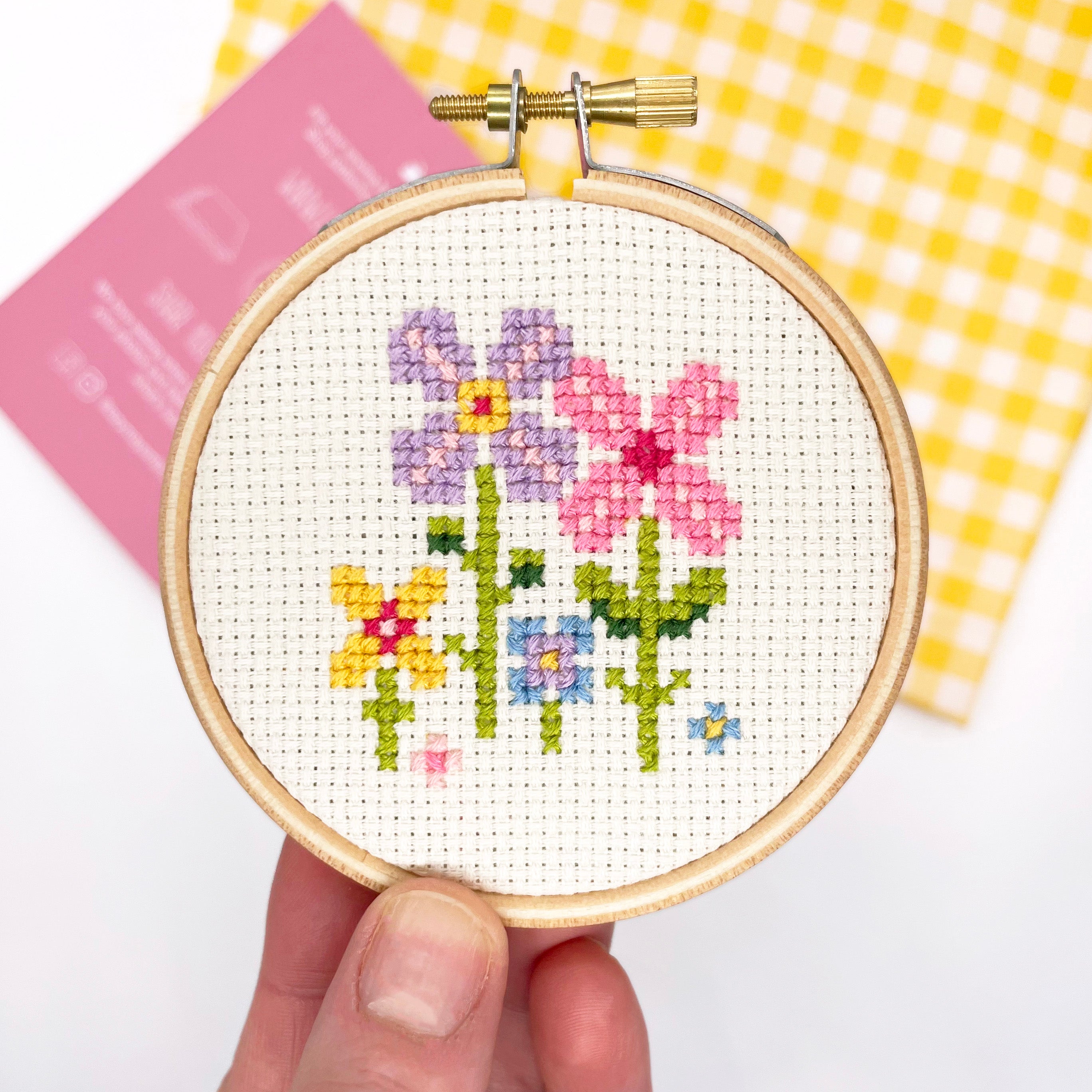
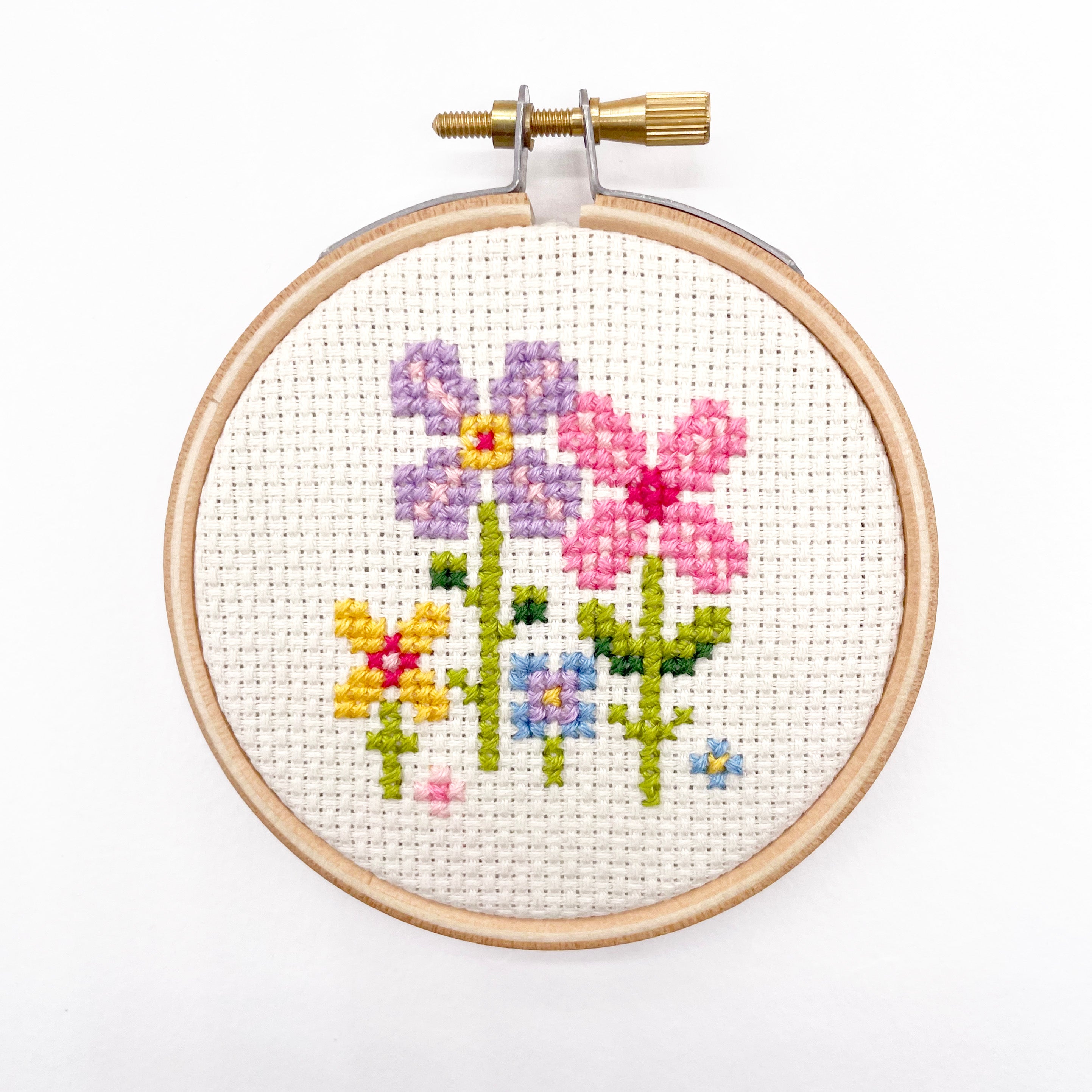
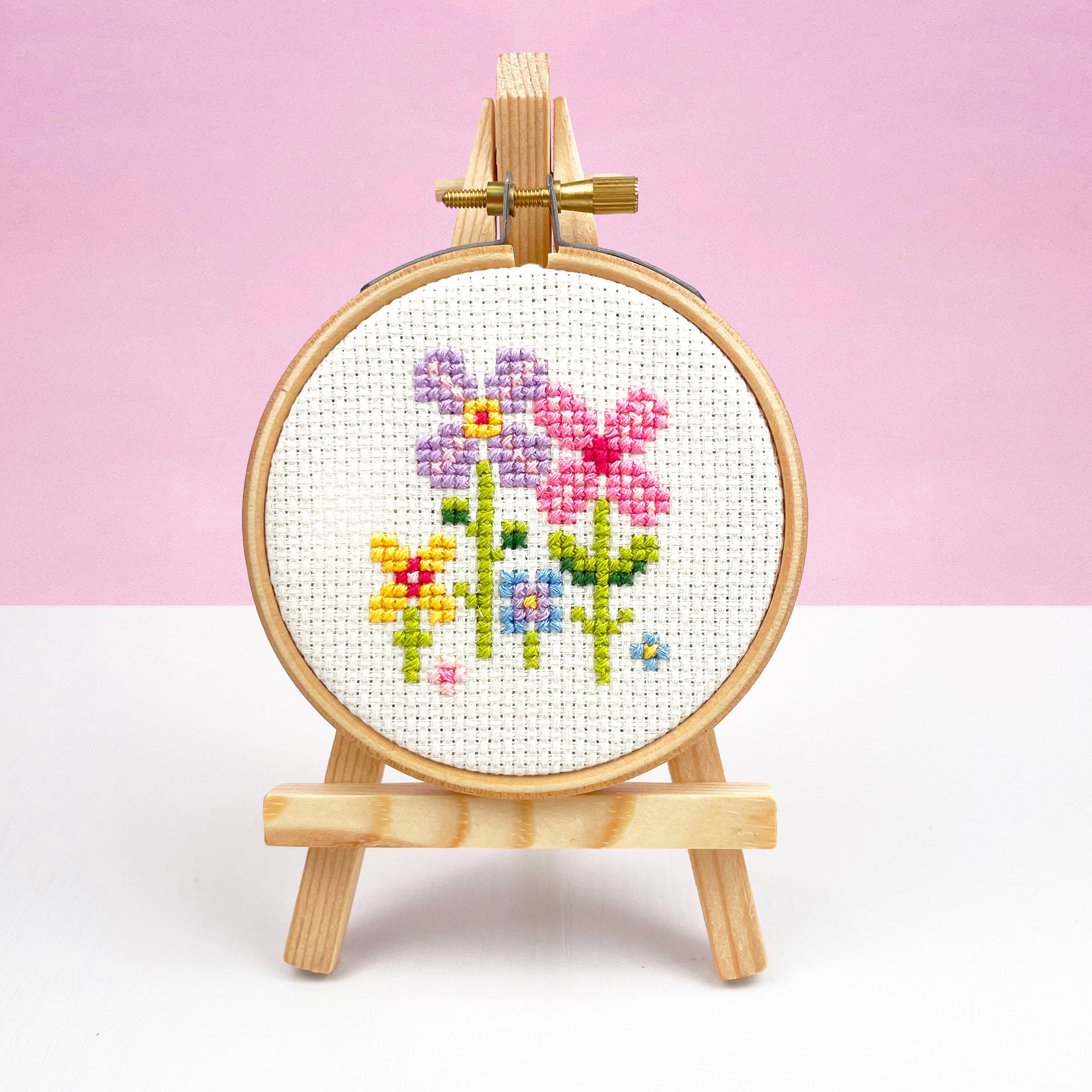
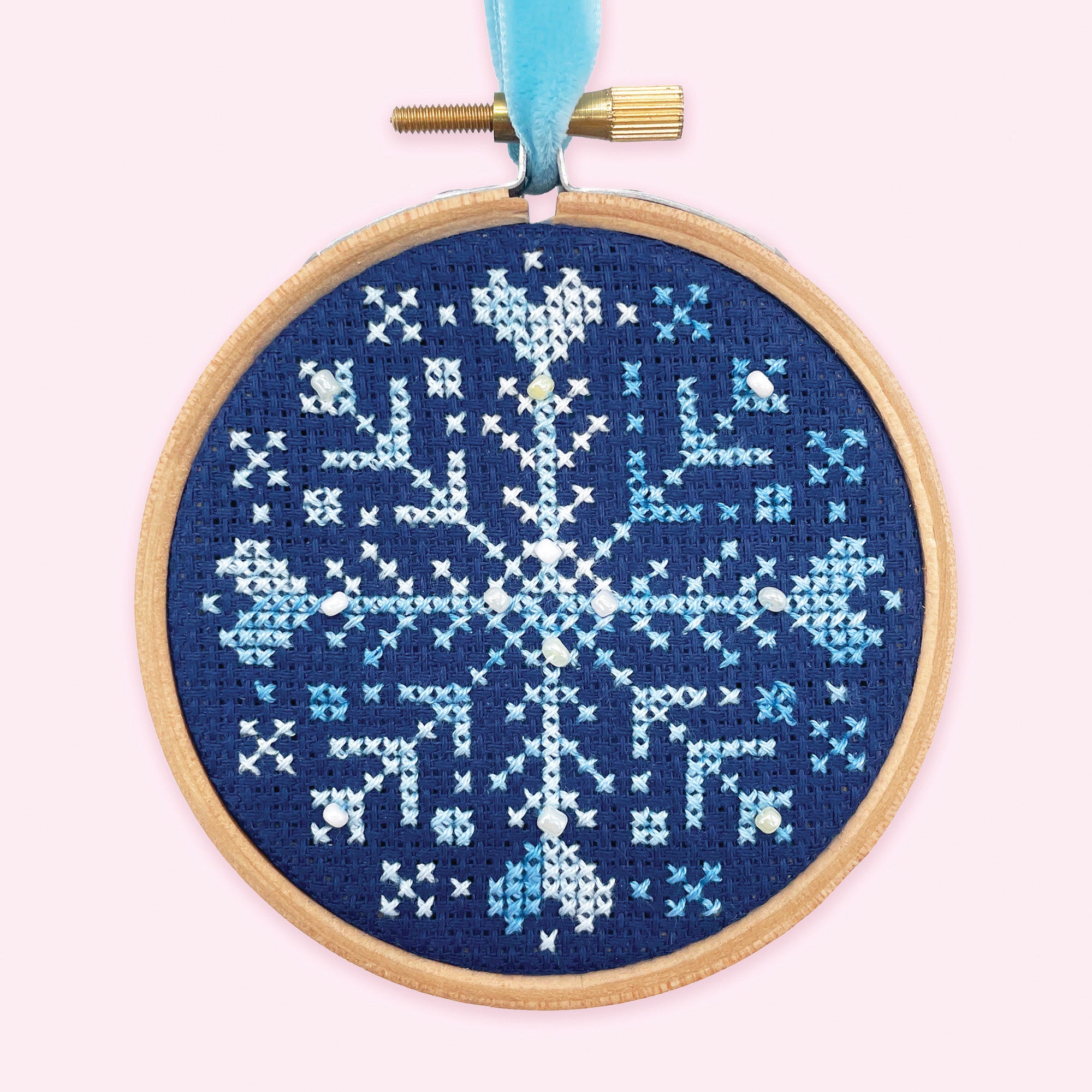
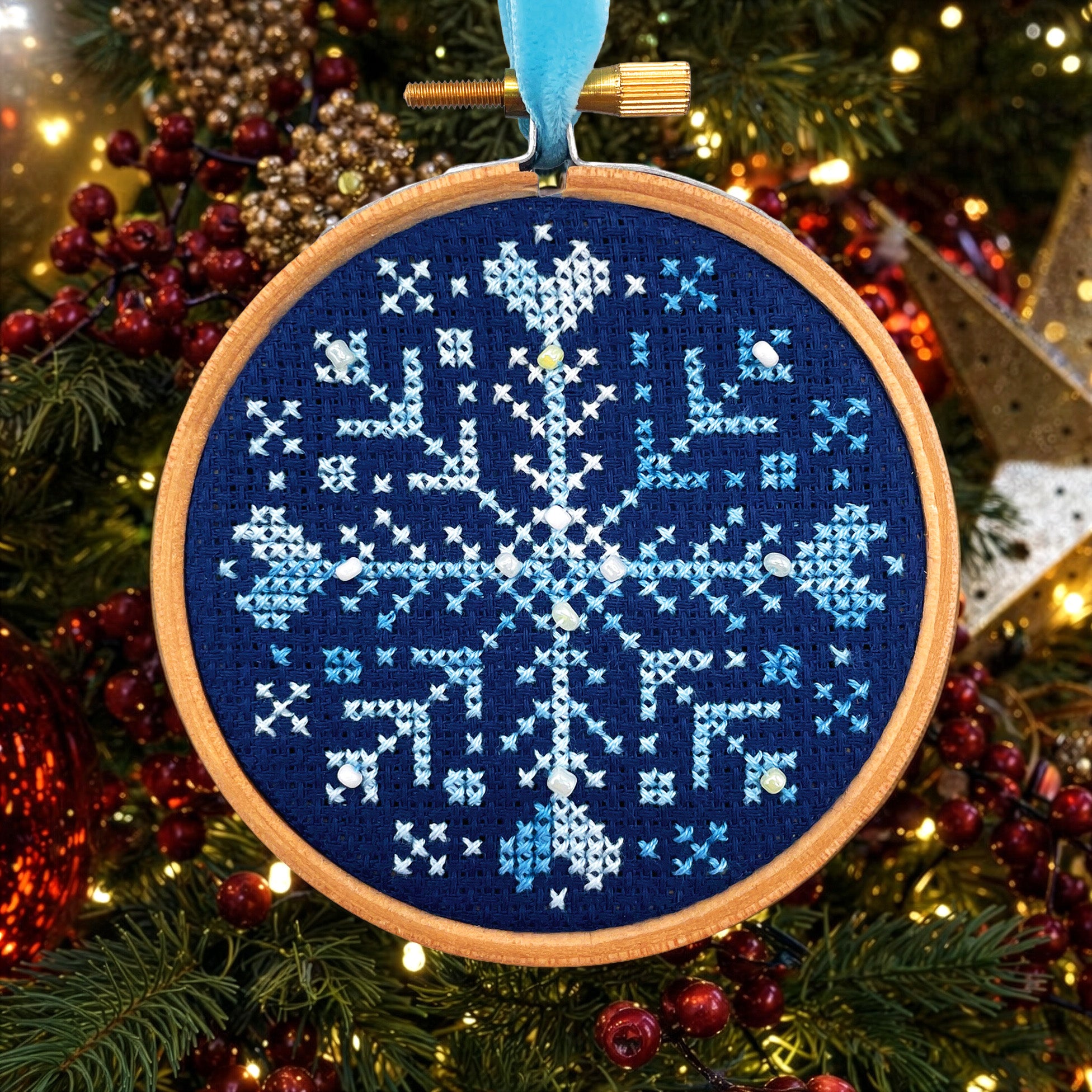
New to cross stitch? These beginner-friendly kits are a simple way to get started, with everything you need in one place.

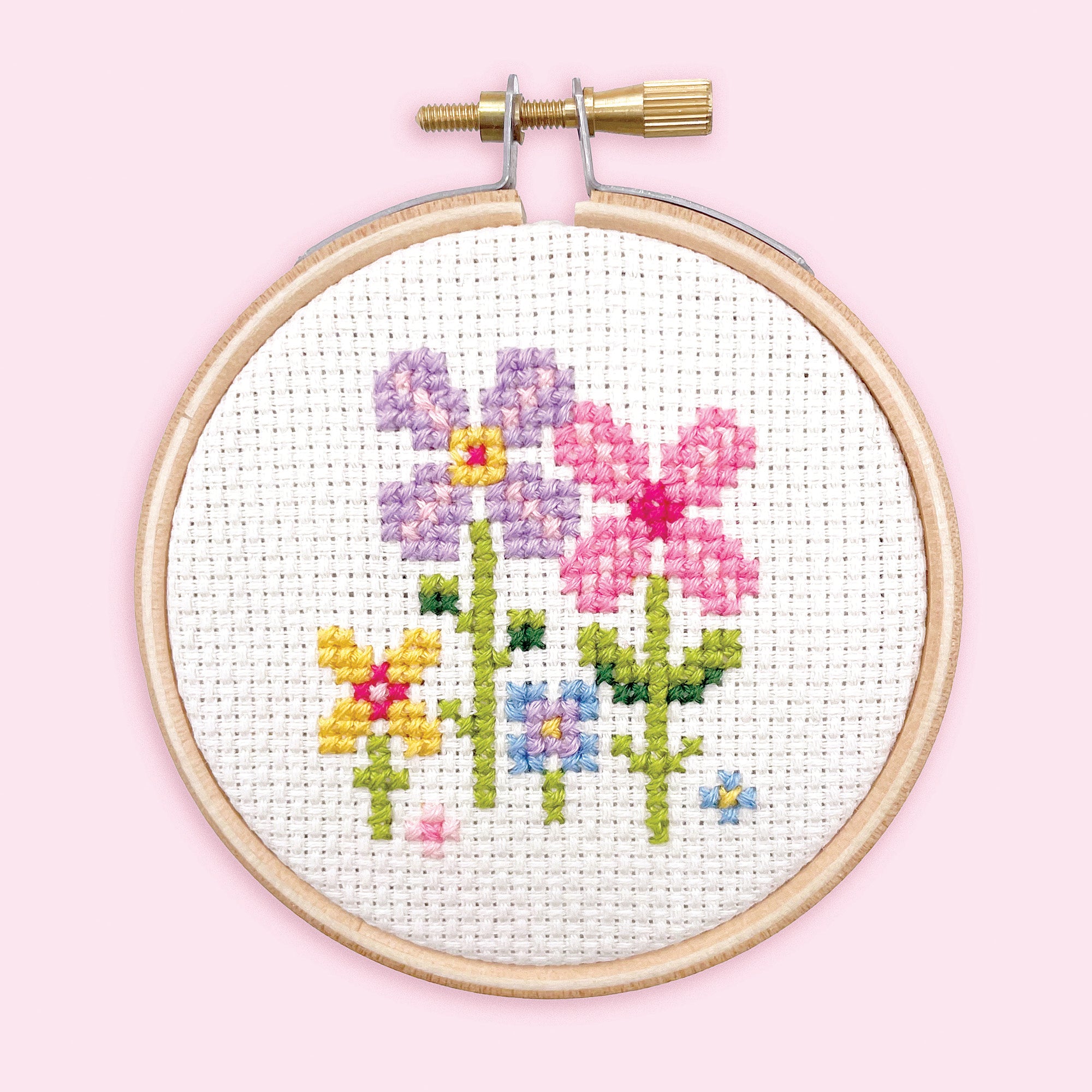
Mini Floral Cross Stitch Kit
£15.00

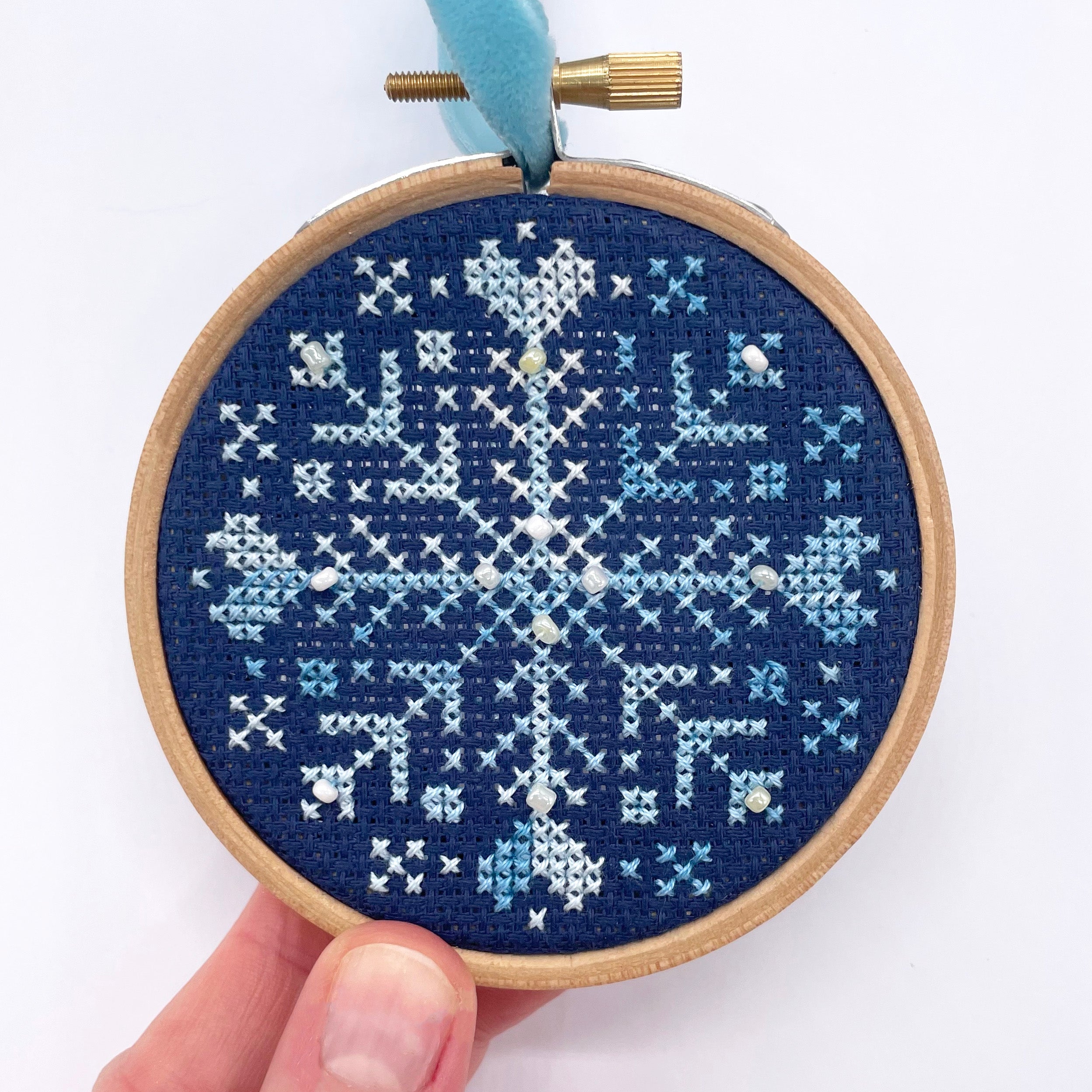
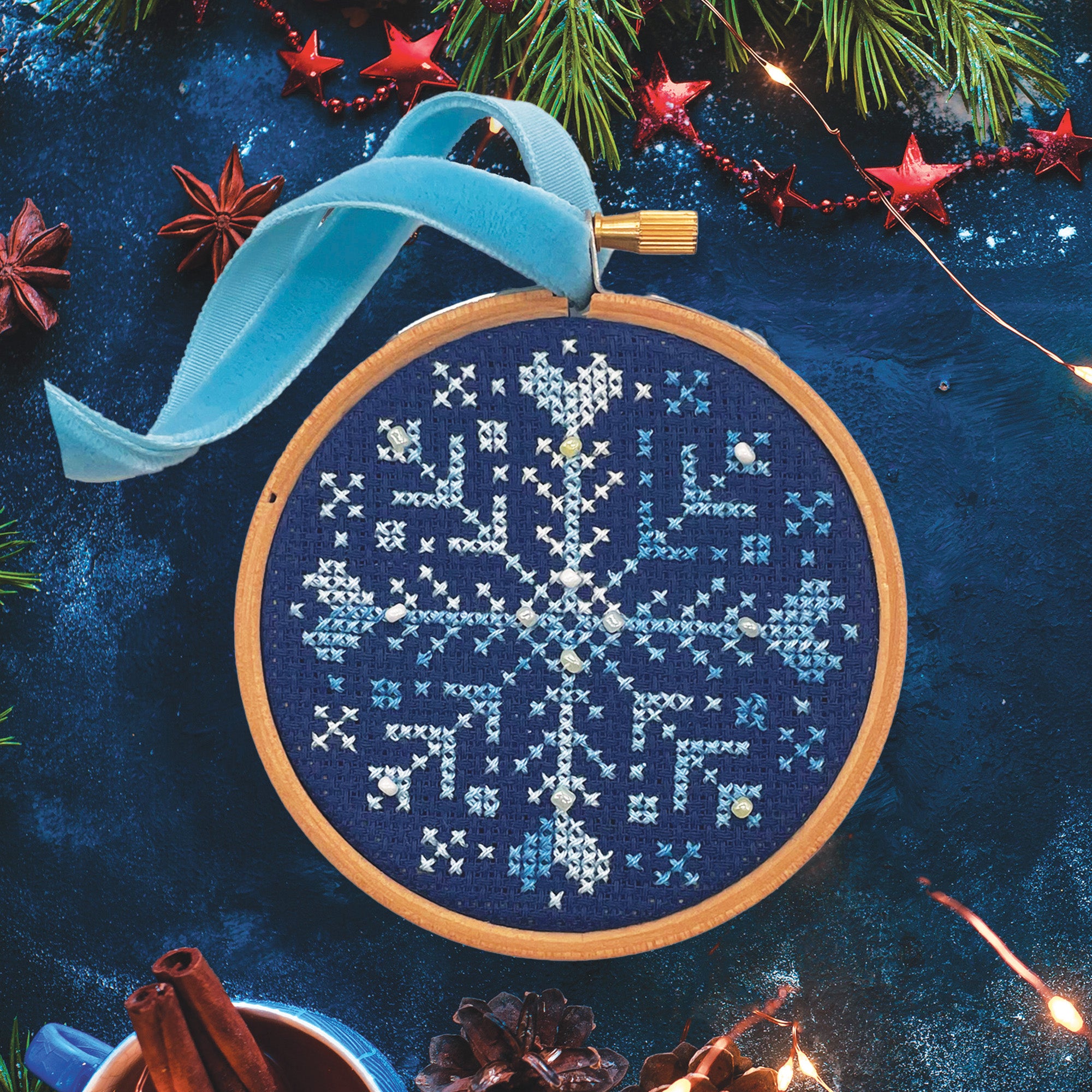
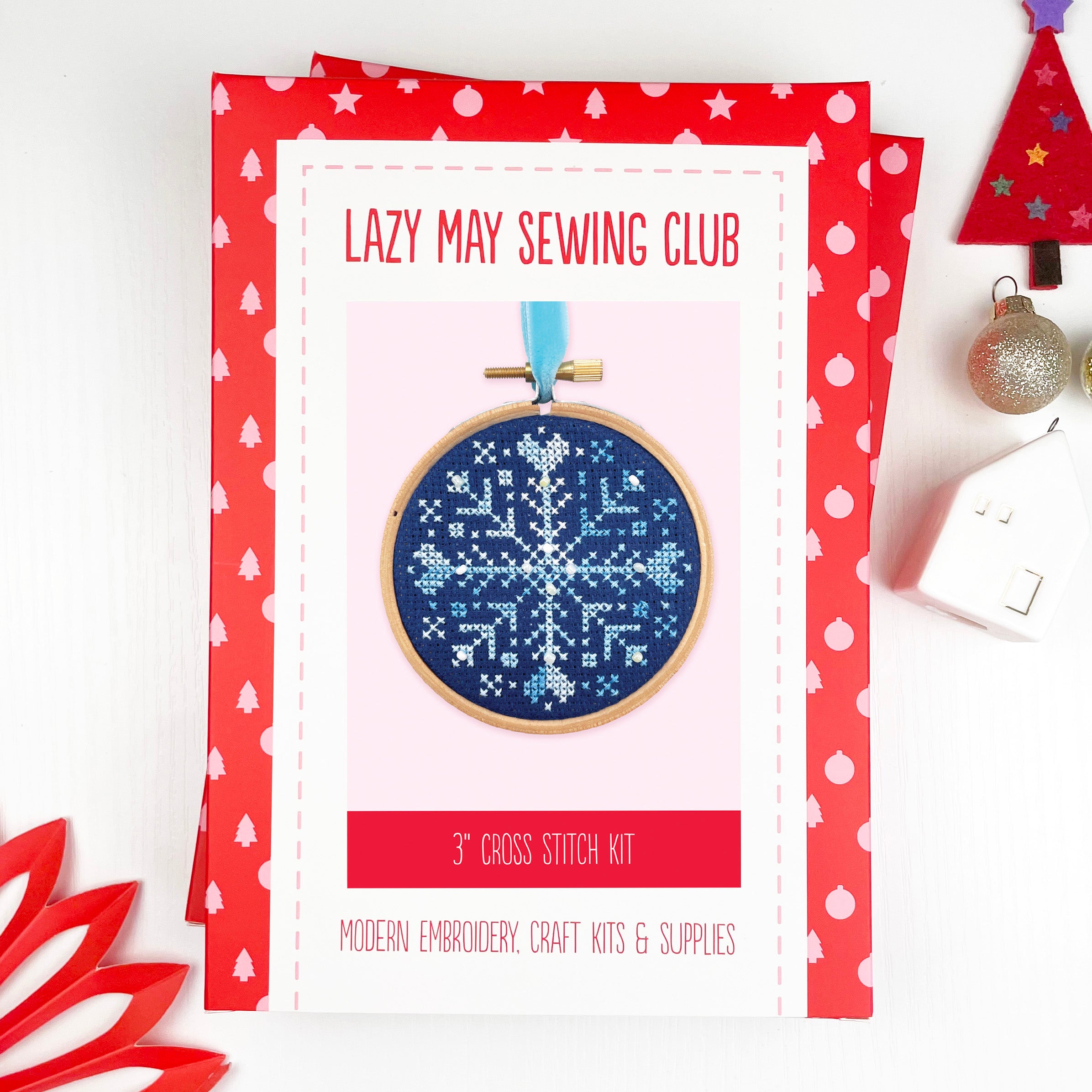
Beaded Snowflake Cross Stitch Kit
£15.00
How to cross stitch step by step
1. Separate your thread
Embroidery thread is usually made up of six strands. Most cross stitch patterns use two or three strands, though your chart will tell you what to use. Cut a length of thread around 30cm long, then gently separate the strands before threading your needle.
2. Start your first stitch
Bring your needle up through one hole in the fabric and down through the hole diagonally opposite to make your first slanted stitch. Keep your tension gentle so the stitch sits neatly without pulling the fabric too tightly.
3. Work across in one direction
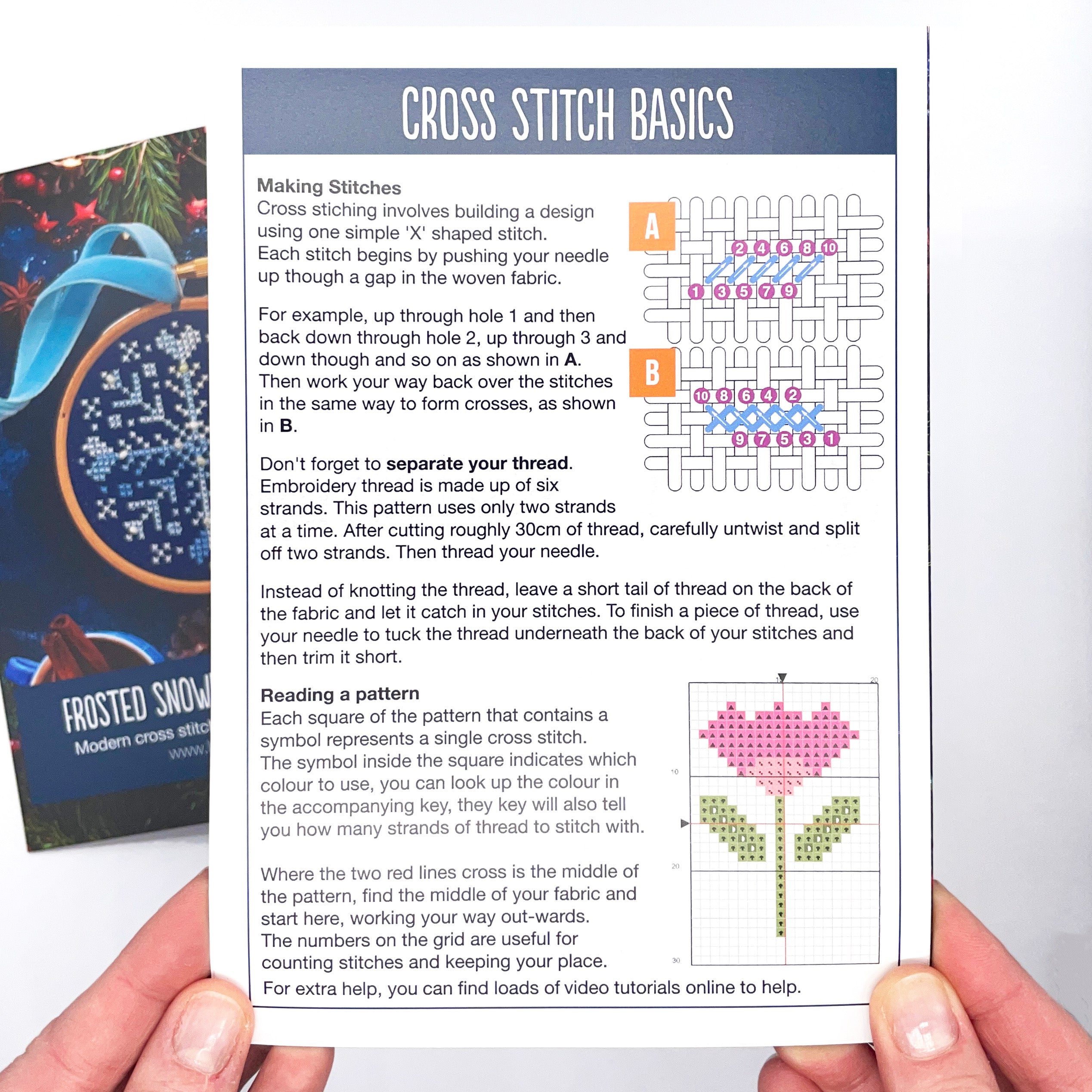
When stitching a row, it is often easiest to make the first half of each cross stitch across the row in the same direction. This helps keep your stitches even and tidy. You can see this in diagram A below, stitches are made from 1-2, 3-4, 5-6 and so on.
4. Work back to complete the crosses
Once you reach the end of the row, work back in the opposite direction to complete each X. Try to keep the top stitch of every cross facing the same way across the whole design. You can see this in diagram B below, stitches are made working in the opposite direction from 1-2, 3-4, 5-6 and so on.

5. Secure the thread without knots
Instead of tying knots, leave a short tail on the back and catch it under your stitches. To finish a thread, slide your needle underneath a few stitches on the back, then trim the end short.

How to read a cross stitch pattern
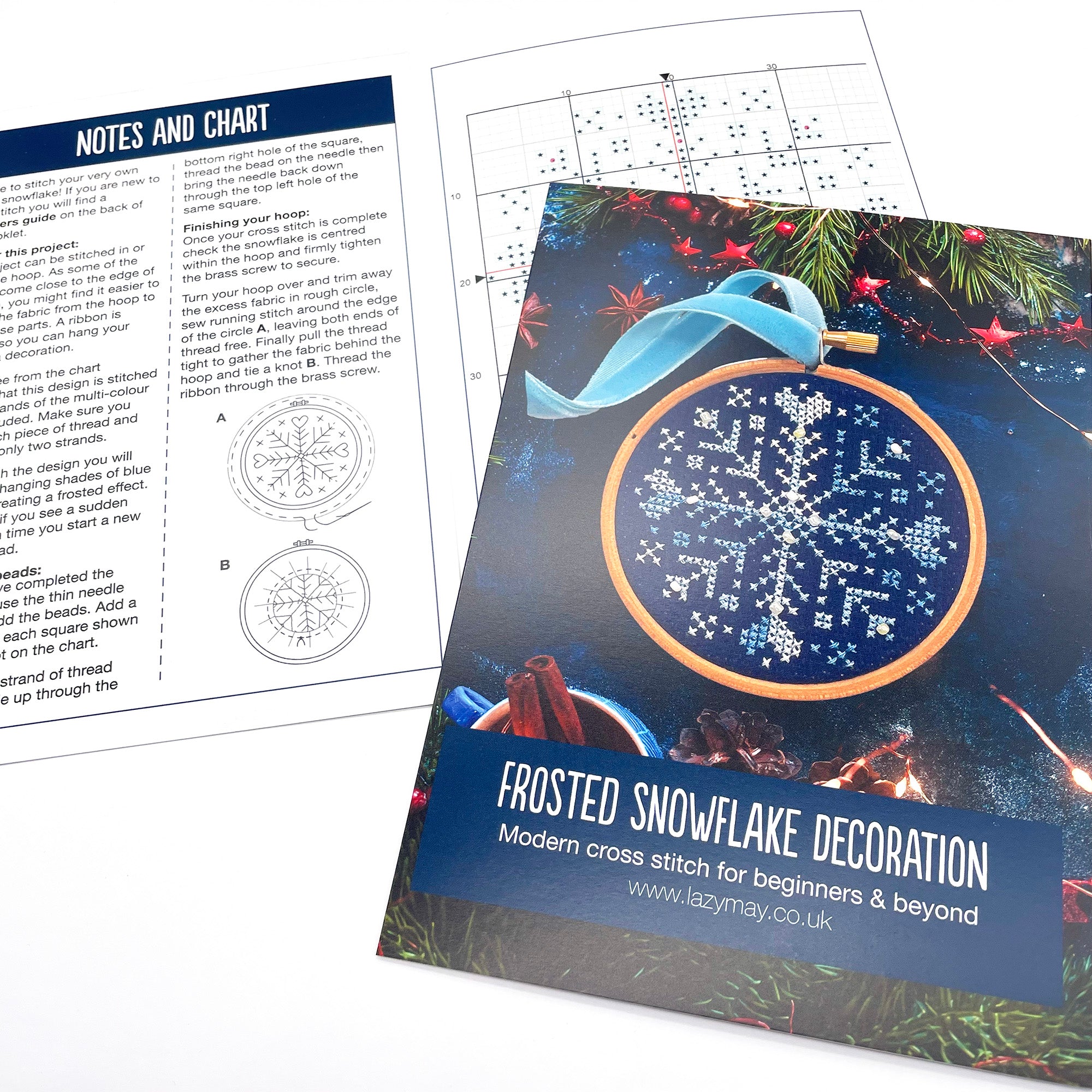
In cross stitch, each square on the chart represents one stitch. The symbol inside the square tells you which colour to use, and the key will also tell you how many strands of thread to stitch with.
Most patterns have a marked centre point. It helps to find the middle of your fabric by folding it in half and then in half again and start there, then work outwards. This makes it easier to position your design neatly in the hoop.
The numbers along the edges of the chart help you count stitches and keep your place as you work. If you are using a mini cross stitch kit, the chart is usually small enough to follow comfortably without feeling too complicated.

How to do back stitch in cross stitch
Some cross stitch designs include back stitch for outlines, lettering or extra detail. This is usually added after the main cross stitches are complete.
Bring your needle up at the start of the line and take it back down a short distance away to make one straight stitch. Then bring the needle up again at the end of that stitch and continue along the line. Work slowly and count carefully if the back stitch travels across several squares.

Common beginner cross stitch mistakes
- Using too many strands of thread
- Pulling stitches too tight
- Letting the top stitch face different directions
- Starting away from the centre of the design
- Trying to use very long lengths of thread, which can tangle more easily
How long does cross stitch take?
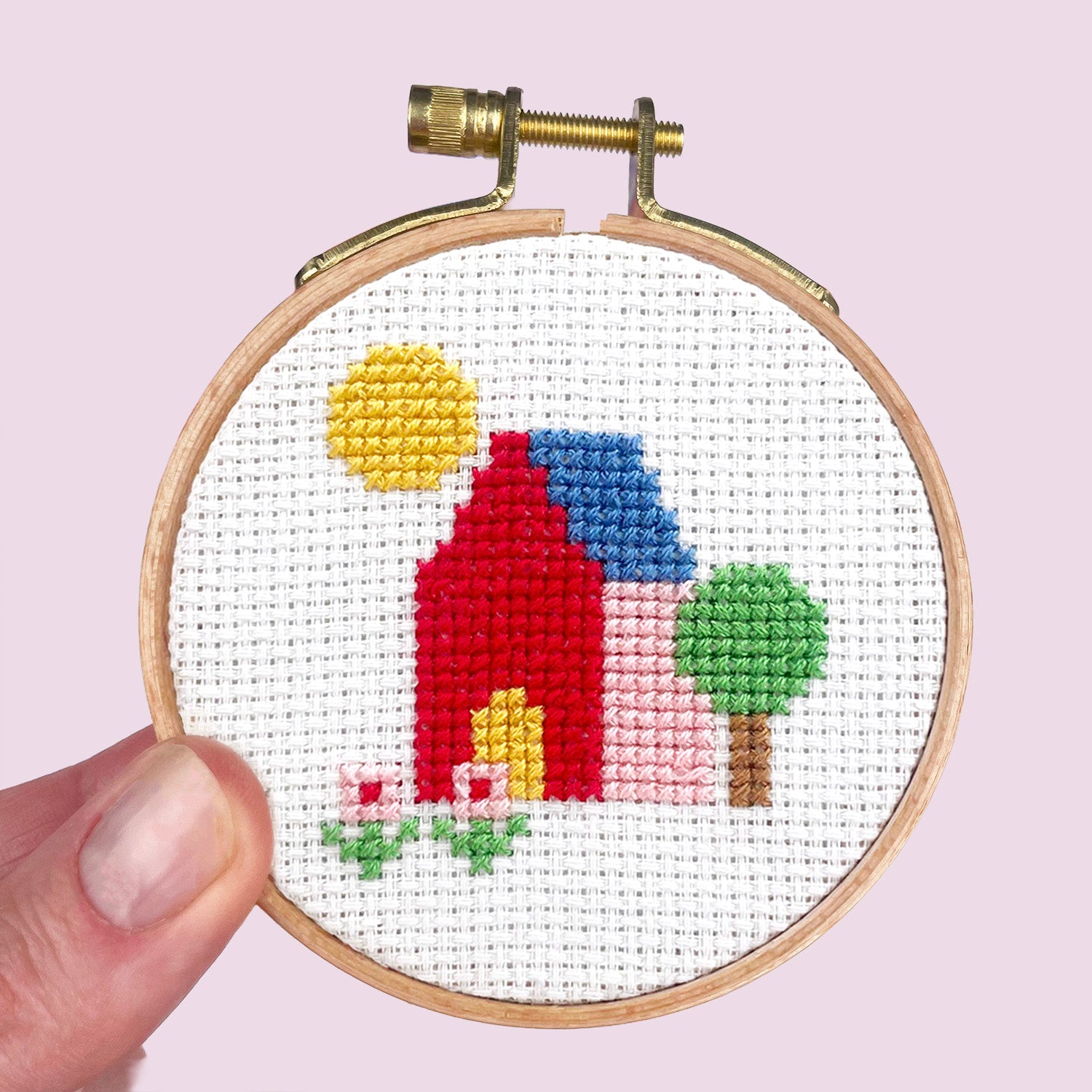
Small cross stitch kits are a lovely place to start because they are quick to pick up and easier to finish. Many easy cross stitch projects can be completed in a few sittings, which makes them ideal for beginners who want to learn without committing to a large design.
Ready to try cross stitch?
If you would like to put this into practice, starting with a small beginner kit is one of the easiest ways to learn.
Cross stitch is a simple, satisfying craft that is easy to learn one stitch at a time. Starting with a clear pattern and a small project can make the whole process feel much more manageable.
Looking for your first project? Browse our cross stitch kits for beginners to get started with a simple design.